Why Emotional Intensity Spikes So Quickly

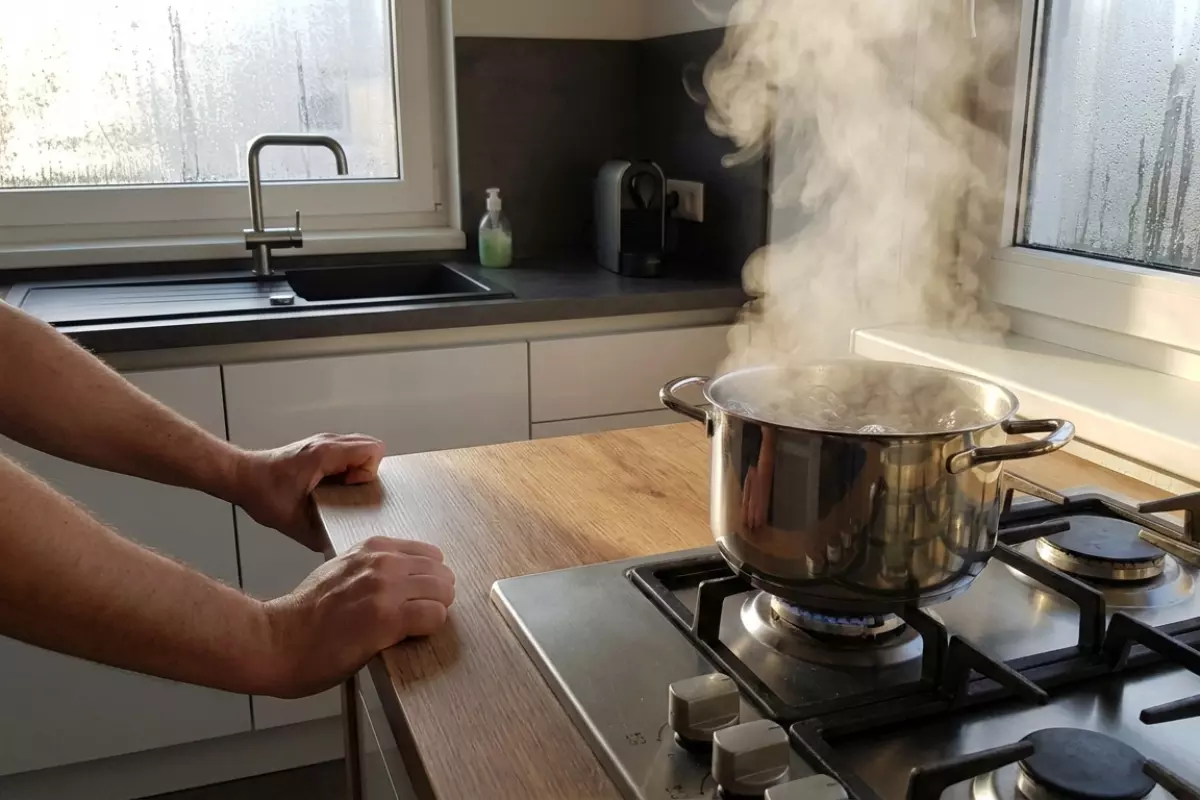 This article explains fast emotional spikes versus slow build-ups, the trigger-meaning-reaction speed loop, threat mode and snap interpretations, and how sensitivity to criticism, rejection, or uncertainty plus rumination intensify feelings. It also gives a 60-second interrupt, small lifestyle shifts, and tips for communicating mid-spike.
- Fast spikes vs. slow build: what’s different
- Trigger → meaning → reaction: the speed loop
- Threat mode and quick interpretations
- Sensitivity to criticism, rejection, or uncertainty
- How rumination accelerates emotional intensity
- Interrupting the spike in 60 seconds
- Reducing repeat spikes with small lifestyle shifts
- How to communicate when you’re in a spike
Emotions can shift from calm to overwhelming in seconds, and that sudden spike can leave you confused about what triggered it. In everyday life, small cues like a sharp tone, a delayed reply, or a messy room can set off the brain’s threat alarms, narrowing focus and revving up the body. Noticing this pattern can help you pause, regain perspective, and respond with more choice and less self-blame.
Fast spikes vs. slow build: what’s different
Some emotional reactions feel like a switch flipping: calm to flooded in seconds. Others rise more like a dimmer: tension gathers, thoughts narrow, and the feeling becomes intense over minutes or hours. Both are common, but they tend to come from different triggers, body responses, and attention patterns.
A quick surge usually happens when the brain reads something as urgent or threatening, even if the situation is socially subtle (a sharp tone, a sudden text, an unexpected criticism). A gradual increase is more often tied to accumulation: stress, fatigue, unresolved conflict, or repeated small frustrations that stack up until they spill over.
| What you notice | Fast spike (seconds to minutes) | Slow build (minutes to hours) |
|---|---|---|
| Typical trigger | Sudden cue: surprise, perceived rejection, abrupt change, conflict “out of nowhere” | Accumulation: ongoing pressure, repeated annoyances, simmering worry, prolonged uncertainty |
| Body response | Rapid adrenaline: racing heart, heat, tight chest, urge to act immediately | Rising strain: tension, headache, fatigue, irritability that grows steadily |
| Thought pattern | Narrow focus: “This is happening now,” quick conclusions, less nuance | Rumination: replaying events, building a case, “and another thing…” thinking |
| Behavior you might see | Snapping, interrupting, abrupt withdrawal, impulsive texting, sudden tears | Short temper later, passive resistance, avoidance, delayed blow-up, emotional exhaustion |
| What keeps it going | Continued threat cues: tone, facial expression, uncertainty, feeling cornered | Unmet needs: lack of rest, no resolution, ongoing demands, repeated boundary crossings |
| What helps most in the moment | Pause and downshift: slow breathing, brief break, fewer words until the surge passes | Reduce load: name the buildup, take a longer reset, address the root stressor step-by-step |
In everyday life, fast surges often look “out of proportion” because the intensity arrives before there’s time to explain it. The feeling can be real and strong even when the trigger seems small to someone else, especially if it resembles a past conflict or touches a sensitive topic.
With a gradual rise, the early signs are easier to miss because they feel normal at first: a little impatience, a bit of tension, more scrolling, less patience in conversations. By the time the emotion peaks, it can feel like it came from nowhere, but it usually had a runway.
- Fast reactions tend to benefit from creating space between the trigger and the response.
- Slow-building intensity tends to improve when the ongoing stressors are identified early and reduced before they stack.
- Both patterns get stronger when sleep is short, hunger is high, or there’s ongoing uncertainty, because the nervous system has less buffer.
Trigger → meaning → reaction: the speed loop

Emotional intensity often jumps fast because the brain moves from “something happened” to “this is what it means” to “act now” in a tight chain. The middle step—interpretation—usually happens so quickly that it feels like the feeling came straight from the event, even when the meaning was a split-second guess.
This rapid sequence is common in everyday moments: a short text reply, a tone of voice, a facial expression, a missed call, a sudden noise. The trigger is often neutral on its own, but the mind fills in context (sometimes accurately, sometimes not) and the body reacts as if that interpretation is confirmed.
- Trigger: A cue grabs attention. It can be external (a comment, a look, an email subject line) or internal (a memory, a bodily sensation, a stray thought). Triggers tend to be brief and incomplete, which invites quick assumptions.
- Meaning: The brain assigns significance: “This is disrespect,” “I’m being ignored,” “Something is wrong,” “I’m in trouble,” “I’m unsafe.” This step is shaped by past experiences, current stress, expectations, and the relationship context. Because it happens fast, it can feel like a fact rather than an interpretation.
- Reaction: Emotion and physiology surge, then behavior follows. The body shifts into action mode (tension, heat, faster heart rate), and the mind narrows to whatever seems most urgent. Typical reactions include snapping back, withdrawing, overexplaining, checking repeatedly, or trying to regain control.
Speed is the key feature: the shorter the gap between meaning and reaction, the more “automatic” the response feels. When stress is high, sleep is low, or the situation feels socially risky, the mind is more likely to choose a threat-based interpretation because it is faster than a nuanced one.
| Everyday trigger | Instant meaning the mind may assign | Common emotional spike | Typical reaction |
|---|---|---|---|
| A friend replies “K.” | “They’re annoyed with me.” | Anxiety, shame | Over-apologize, send follow-up messages, ruminate |
| A partner sighs while you talk | “I’m boring them” or “I’m doing something wrong.” | Hurt, defensiveness | Argue, shut down, seek reassurance |
| Boss says, “Can we talk later?” | “I’m in trouble.” | Dread | Catastrophize, people-please, avoid tasks |
| Someone doesn’t greet you | “They don’t like me” or “I’ve been excluded.” | Embarrassment, anger | Withdraw, coldness, replay the interaction |
| A sudden ache or flutter in the chest | “Something is seriously wrong.” | Panic | Check symptoms, scan the body, seek urgent reassurance |
Because the interpretation step is so fast, two people can react very differently to the same cue. One person reads a delay as “they’re busy,” another reads it as “I’m being rejected,” and the emotional intensity follows the meaning, not just the situation.
In daily life, this chain becomes a loop when the reaction creates new triggers: a sharp reply leads to a tense face, which gets read as criticism, which fuels more anger. The faster the cycle runs, the harder it is to notice that the “meaning” step is adjustable rather than fixed.
Threat mode and quick interpretations
When the brain senses possible danger or social risk, it tends to switch into a fast, protective setting. In that state, speed matters more than nuance, so feelings can surge before there’s time to sort out what’s actually happening. This is why a small cue, like a tone of voice or a delayed reply, can trigger a strong reaction that feels immediate and hard to slow down.
A key feature of this protective setting is that it leans on shortcuts. Instead of carefully weighing multiple explanations, the mind often grabs the first plausible story that reduces uncertainty. Those quick stories can be accurate, but they can also be overly negative because “better safe than sorry” is the bias built into threat detection.
- Attention narrows: focus locks onto what seems risky (facial expression, wording, silence), while neutral details fade into the background.
- Meaning gets assigned fast: ambiguous signals get interpreted as intentional (“They’re ignoring me,” “They’re judging me”) rather than accidental or situational.
- Body cues amplify the emotion: a racing heart or tight chest can be read as proof that something is wrong, which intensifies the feeling loop.
- Memory pulls matching examples: past moments with a similar vibe surface quickly, making the current situation feel bigger and more familiar than it is.
- Response options shrink: the mind defaults to protective moves like defending, withdrawing, people-pleasing, or pushing for certainty right away.
In everyday life, this often shows up in common situations: a vague message from a partner, a manager’s brief feedback, a friend canceling plans, or noticing someone whispering nearby. Because the brain is trying to resolve uncertainty quickly, it may treat “unknown” as “unsafe,” and emotional intensity spikes before more context arrives.
| Everyday trigger | Fast interpretation the mind may choose | Typical emotional spike | What often becomes harder in the moment |
|---|---|---|---|
| Short or delayed text reply | “They’re upset with me” | Anxiety, urgency | Waiting for more information without checking |
| Neutral facial expression | “They disapprove” | Shame, defensiveness | Asking a calm clarifying question |
| Feedback that’s brief or blunt | “I’m failing” | Fear, frustration | Separating the task from self-worth |
| Someone interrupts or talks over you | “I’m not respected” | Anger, hurt | Staying curious about intent vs. impact |
| Plans change last-minute | “I don’t matter” | Sadness, rejection | Considering practical reasons before personal ones |
These rapid interpretations are not a character flaw; they are a common human pattern tied to protection and prediction. The problem is that the first story can become the only story, especially when emotions rise quickly. Once the mind commits to a threat-based explanation, it tends to scan for confirming evidence and miss signs that the situation is neutral, fixable, or simply unclear.
Sensitivity to criticism, rejection, or uncertainty
Emotional intensity often jumps when the brain reads a situation as socially risky or unclear. A short message, a neutral facial expression, or a delayed reply can get interpreted as disapproval, distance, or looming conflict. When that interpretation lands, the body reacts quickly: attention narrows, tension rises, and it becomes harder to stay curious or flexible.
Criticism and rejection cues tend to feel urgent because they threaten belonging and competence. Uncertainty adds fuel by leaving room for the mind to fill in blanks, usually with worst-case explanations. In everyday life, this can show up as strong reactions to small signals, not because the signal is objectively severe, but because it is treated as a high-stakes clue.
- Ambiguous feedback feels personal. Vague comments like “We’ll see” or “Not sure” can be heard as “You did something wrong,” leading to defensiveness or shame.
- Neutral behavior reads as negative. A coworker being quiet or a partner being distracted may be interpreted as anger or disappointment.
- Waiting becomes emotionally loud. Delays in responses, decisions, or plans can trigger spiraling thoughts and a rising need for reassurance.
- Small corrections feel like global judgment. A minor critique can get translated into “I’m failing” rather than “This one thing needs adjustment.”
- Control attempts increase. People may over-explain, double-text, re-check work repeatedly, or ask for confirmation to reduce doubt.
These spikes are often maintained by quick mental shortcuts. The mind scans for threat, assumes meaning from limited data, and treats possibilities as probabilities. Once the threat interpretation is in place, the nervous system can shift into fight, flight, freeze, or appease patterns, which makes the reaction feel immediate and hard to interrupt.
| Trigger type | Common interpretation | Typical emotional surge | Everyday behavior pattern |
|---|---|---|---|
| Direct critique (tone, wording, performance notes) | “I’m not good enough” or “I’m in trouble” | Shame, anger, panic | Defending quickly, over-apologizing, replaying the conversation |
| Possible rejection (canceled plans, fewer invitations) | “They don’t want me” or “I’m being pushed out” | Hurt, jealousy, dread | Withdrawing, seeking reassurance, testing the relationship |
| Ambiguity (short texts, unclear expectations) | “Something bad is happening” | Anxiety, agitation | Overthinking, asking repeated questions, difficulty focusing |
| Social comparison (others praised, silence toward you) | “I’m falling behind” | Insecurity, resentment | Working harder compulsively, people-pleasing, avoiding visibility |
Over time, this pattern can create a loop: heightened reactivity leads to reassurance-seeking or avoidance, which briefly reduces discomfort but keeps uncertainty feeling dangerous. The result is a lower threshold for future spikes, especially in relationships, work feedback, and any setting where approval or clarity matters.
How rumination accelerates emotional intensity

Going over the same upsetting thought again and again tends to make feelings grow faster, not fade. Instead of “processing” the event, the mind keeps replaying it, which keeps the body’s stress response switched on and makes the emotion feel more urgent and harder to ignore.
Rumination often starts as a problem-solving attempt: figuring out what happened, what it means, and what should have been done differently. The loop becomes unhelpful when it turns into repetitive “why” and “what if” questions that don’t lead to new information or a clear next step. Each replay refreshes the emotional memory, so the feeling spikes as if the situation is still happening.
- It repeatedly re-triggers the threat system. The brain treats vivid mental replay like a new cue, so the same worry or anger gets reactivated multiple times in a short period.
- It narrows attention onto the most painful details. When focus stays locked on what went wrong, neutral or reassuring information gets filtered out, making the situation seem bigger and more personal.
- It turns uncertainty into worst-case storytelling. Filling in missing pieces with negative assumptions (“They must think…”, “This will ruin…”) increases fear and shame quickly.
- It creates a feedback loop between thoughts and body sensations. Tension, a fast heartbeat, or a tight stomach are noticed, interpreted as proof something is wrong, and then used to fuel more anxious thinking.
- It blocks emotional completion. Without a decision, action, or new perspective, the mind doesn’t get a “done” signal, so the feeling stays active and can intensify with each pass.
| Common rumination pattern | How it tends to raise emotional intensity |
|---|---|
| Replaying the moment (the conversation, the mistake, the look on someone’s face) | Refreshes the emotional memory, keeping anger, embarrassment, or hurt “current” instead of past. |
| Counterfactuals (“I should have said…”, “If only I had…”) | Adds regret and self-blame, which often stacks on top of the original emotion. |
| Mind-reading (“They think I’m…”, “Everyone noticed…”) | Turns uncertainty into social threat, increasing shame and anxiety. |
| Catastrophizing (“This will spiral”, “I’ll never recover from this”) | Projects the feeling into the future, making it seem larger and more permanent. |
| Searching for a perfect explanation (endless “why” questions) | Prevents closure; the brain keeps scanning for danger, which sustains arousal. |
In everyday life, this is why a small trigger can feel manageable at first and then suddenly become overwhelming after a quiet commute, a shower, or lying in bed. The event didn’t change, but the repeated mental review kept adding emotional “fuel,” so the intensity climbed quickly.
Interrupting the spike in 60 seconds
Fast emotional surges usually follow a predictable chain: a trigger lands, the brain labels it as urgent, the body ramps up, and behavior narrows toward reacting. The goal in the next minute is not to “fix” the situation, but to slow the body’s acceleration so thinking can rejoin the conversation.
A practical way to do that is to use a short sequence that targets the body first, then attention, then meaning. Each step is small on purpose; during a spike, long reasoning often backfires because the nervous system is already in high gear.
| Time window | What to do | What it changes |
|---|---|---|
| 0–10 seconds | Stop the “next move” for one beat: unclench jaw, drop shoulders, place both feet on the floor, and let your hands rest open. | Interrupts automatic action and reduces muscle-driven arousal that feeds urgency. |
| 10–30 seconds | Slow your exhale: breathe in normally, then make the out-breath longer than the in-breath for 3–4 cycles. | Signals safety to the body and dampens the stress response so the spike peaks lower. |
| 30–45 seconds | Name what’s happening in plain language: “I’m feeling anger,” “This is embarrassment,” or “My body is on alert.” | Shifts the brain from pure reaction to labeling, which widens attention and reduces intensity. |
| 45–60 seconds | Pick one tiny, non-damaging next step: ask one clarifying question, request a pause, or decide to respond after you re-read the message. | Prevents escalation behaviors (snapping, sending a risky text, interrupting) while keeping you engaged. |
These steps work because emotional intensity often rises faster than insight. When the body is revved up, the mind tends to search for evidence that matches the feeling, which makes the moment seem more certain and more personal than it may be. A brief reset reduces that “tunnel” effect.
If the spike is happening in conversation, the safest minute is usually the one that buys time without provoking the other person. Short, neutral phrases help: “Give me a second,” “I want to answer this carefully,” or “Let me make sure I understood.” If it’s happening while reading a message, the equivalent is delaying the send button until the physical charge drops.
Reducing repeat spikes with small lifestyle shifts
Repeat surges in emotion often come from predictable loops: a stressed body, a busy mind, and environments that keep pulling attention into threat, comparison, or urgency. Small, consistent adjustments can lower baseline arousal so reactions don’t hit “peak” as fast, and recovery happens sooner when they do.
These shifts work best when they target three common drivers: physiology (sleep, blood sugar, stimulation), attention (how quickly the mind locks onto a trigger), and friction (how easy it is to fall into the same habit again). The goal isn’t to eliminate emotion; it’s to make spikes less frequent and less intense.
- Stabilize sleep timing more than sleep perfection. Going to bed and waking up at roughly the same time reduces “thin-skin” days where minor events feel huge. If a full schedule change is unrealistic, start with a consistent wake time and let bedtime follow.
- Prevent the “hungry + stressed” amplification. Long gaps without food can make irritability and panic-like sensations more likely. A simple pattern (regular meals, protein or fiber at snacks) helps keep the body from interpreting normal stress as an emergency.
- Lower background stimulation. Constant notifications, loud media, and multitasking keep the nervous system revved. Try a few daily “quiet pockets” (even 10 minutes) where input is reduced: no scrolling, no news, no rapid-fire audio.
- Add a transition buffer between roles. Emotional intensity often spikes during abrupt switches (work to home, social to alone, errands to parenting). A short reset ritual—wash hands, change clothes, step outside for two minutes—signals a new context and reduces carryover.
- Use movement as a pressure release, not a performance goal. Brief walks, stretching, or light chores can discharge adrenaline and restlessness. The key is frequency: small bouts throughout the week tend to help more than occasional intense sessions.
- Reduce “trigger stacking.” Spikes are more likely when several stressors pile up (poor sleep, caffeine, conflict, deadline). When one factor is already high, intentionally lower another (simplify plans, delay a hard conversation, choose calmer entertainment).
- Set boundaries around the fastest escalators. For many people, these are late-night arguments, alcohol when already upset, or doomscrolling. A simple rule like “no heavy talks after 9” or “pause before replying” creates friction where it matters.
| Common pattern that fuels repeat spikes | Small shift that reduces intensity or frequency | Why it helps in everyday terms |
|---|---|---|
| Sleep debt makes everything feel urgent | Keep a steady wake time; dim screens 30–60 minutes before bed | Improves emotional “threshold,” so minor stressors don’t register as major threats |
| Blood sugar dips mimic anxiety sensations | Eat at regular intervals; add protein/fiber to snacks | Reduces shakiness, irritability, and the body’s false alarm signals |
| Always-on input (alerts, feeds, background noise) | Batch notifications; schedule short low-input breaks | Lowers baseline arousal and gives attention room to reset |
| Fast reactions in texts or comments | Add a pause rule: wait 2–10 minutes before responding when activated | Creates time for the first wave of intensity to pass, preventing escalation |
| Carrying stress from one setting into the next | Use a 2–5 minute transition ritual (walk, breathing, tidy one surface) | Interrupts momentum so the next interaction starts at a calmer baseline |
| Caffeine or alcohol amplifies reactivity | Match caffeine to earlier hours; avoid alcohol when already upset | Reduces physiological arousal that can be misread as emotional danger |
Consistency matters more than intensity. When these changes are small enough to repeat on ordinary days, they gradually reduce how often the same triggers produce the same sharp emotional peaks.
How to communicate when you’re in a spike
When emotions surge, the brain tends to prioritize speed and self-protection over nuance. That’s why people often talk faster, interpret messages more negatively, and push for immediate resolution. The goal in this moment isn’t to “win” the conversation—it’s to keep it safe and clear enough that you can return to the real issue later.
A practical approach is to communicate in two phases: first, reduce heat; second, exchange information. In the first phase, use fewer words, lower the stakes, and make time your ally. In the second phase, once intensity drops, you can explain, negotiate, and problem-solve without the same distortion.
- Name the state without blaming. Simple labels reduce confusion: “I’m getting flooded,” “I’m too worked up to think clearly,” or “I need a minute.” Avoid diagnoses or character judgments like “You’re being irrational.”
- Ask for a pause with a specific return plan. Pauses work best when they’re concrete: “I’m going to step away for 15 minutes and come back at 6:30.” Vague exits (“I’m done”) often read as rejection and can escalate the conflict.
- Use one point per sentence. High intensity shortens attention and increases misinterpretation. Keep statements single-purpose: one request, one feeling, or one fact at a time.
- Switch from accusations to impact. “You never listen” invites defense; “I’m feeling unheard and it’s making me tense” is easier to respond to. Impact language keeps the focus on what’s happening rather than who’s wrong.
- Choose questions that slow the pace. Try “What did you hear me say?” or “What’s the main thing you need right now?” Avoid rapid-fire “why” questions, which can sound like interrogation when emotions are high.
- Make requests small and doable. Big asks (“Change your whole attitude”) feel impossible in a spike. Small asks (“Please lower your voice,” “Can we sit down,” “Can we talk about one topic”) are more likely to succeed.
- Limit texting if tone is slipping. Written messages amplify assumptions because there’s no facial expression or timing. If you notice yourself rereading and getting angrier, it’s usually a sign to pause or switch to a calmer channel later.
- Protect the relationship with a quick reassurance. A short line like “I care about this, I’m just overwhelmed” can prevent the other person from filling the silence with worst-case interpretations.
| Common spike pattern | What it sounds like | What it often triggers | A steadier alternative |
|---|---|---|---|
| All-or-nothing language | “You always do this.” | Defensiveness, counterexamples, escalation | “This has happened a few times, and it’s hard for me.” |
| Mind-reading | “You don’t care.” | Arguments about intent instead of the issue | “I’m not feeling cared for right now. Can you tell me what you meant?” |
| Rapid-fire problem solving | “Here’s what we’re going to do—right now.” | Power struggle, shutdown | “Can we pick one next step and revisit the rest later?” |
| Threats and ultimatums | “If you do that again, I’m done.” | Fear, retaliation, loss of trust | “I need a boundary. If this continues, I’ll take space and we’ll talk tomorrow.” |
| Over-explaining | Long justifications and backstory | More confusion, more openings for conflict | “The short version is: I’m upset, and I need a pause.” |
If the other person is the one spiking, the same principles apply: keep your words brief, reflect the core emotion (“You’re really frustrated”), and offer structure (“Let’s pause and come back at 7”). Trying to force clarity out of a high-intensity moment usually creates more heat; creating a calmer container is what makes clarity possible.
Once the intensity drops, it becomes easier to revisit the topic with specifics: what happened, what each person needed, and what would help next time. That follow-up is where real repair happens—after the nervous system is no longer in emergency mode.