Strong Emotional Response to Rejection

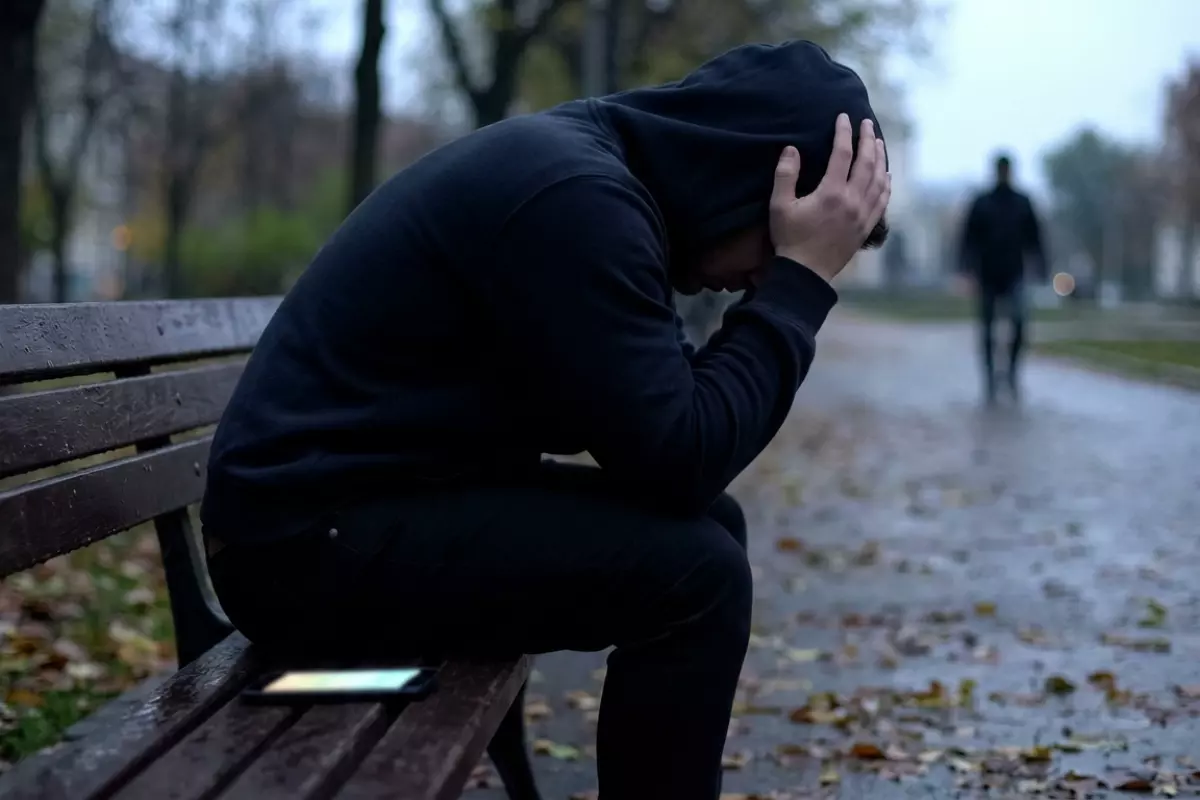 This article explains why rejection feels personal by linking it to social belonging and emotional security, fear of exclusion and abandonment, and why small snubs can hit hard. It also covers rumination after rejection and ways to stabilize emotions, plus reframing without dismissing feelings.
Rejection can land with an unexpectedly intense wave of emotion, and it may feel out of proportion to the moment. Still, the sting after a missed invitation, a curt email, or a lukewarm date is deeply human. This piece explains why it feels so personal, how your mind tries to protect you, and what can help you regain balance without shutting down.
Why rejection feels deeply personal
Being turned down can register as more than a single “no.” Many people experience it as a judgment about their worth, attractiveness, competence, or belonging, even when the situation is narrow (a job role, a date, a friend declining plans). That leap from a specific outcome to a global conclusion is what makes the emotional reaction feel so intense.
Several everyday mental and social patterns feed into this:
- Humans are wired to track belonging. Social acceptance has long been tied to safety and support, so the brain treats exclusion cues as high priority. A short message, delayed reply, or “we went with someone else” can trigger the same alarm system as more obvious social threats.
- The mind fills in missing information. Rejection often comes with limited feedback, which invites guessing. People commonly assume the harshest explanation (“I’m not good enough”) because it feels like a complete story, even if it is not accurate.
- Identity gets wrapped around performance. When someone invests time, hope, or pride in an outcome, the result can feel like a verdict on the self rather than a fit issue. This is common in dating, auditions, competitive programs, and promotions where effort and identity overlap.
- Negativity bias makes “no” louder than “yes.” One refusal can outweigh several positive interactions, leading to rumination and replaying details for signs of what “went wrong.”
- Past experiences shape the current reaction. Earlier criticism, bullying, unstable relationships, or repeated setbacks can sensitize someone to signs of dismissal. A small slight in the present can feel connected to older memories, making the response bigger than the moment.
- Social comparison adds pressure. Seeing others chosen, liked, or included can turn a single setback into a perceived ranking. This can intensify shame and self-doubt, especially in group settings or online spaces.
- Ambiguity invites self-blame. When the reason is unclear (no explanation, vague feedback), people often default to internal causes because they are easier to “control” in theory, even if that control is an illusion.
In day-to-day behavior, these patterns show up as overanalyzing messages, scanning for tone changes, avoiding future attempts, or trying to “fix” the self quickly to prevent another refusal. The reaction is not just about the event; it is about what the event seems to imply about connection, status, and security.
Social belonging and emotional security

Feeling accepted and safe with other people is a basic need, so rejection can land as more than a simple “no.” Many people experience it as a threat to connection and stability, which can quickly trigger anxiety, sadness, anger, or shame. The reaction often feels urgent because the brain treats social exclusion as a signal that support, status, or closeness might be at risk.
When emotional safety depends heavily on how others respond, even small cues can feel loaded: a delayed reply, a short message, someone canceling plans, or a neutral facial expression. In everyday life, this can lead to scanning for signs of disapproval and interpreting ambiguity as proof of being unwanted. The stronger the need for reassurance in the moment, the more intense the emotional response can become.
- Heightened sensitivity to cues: reading tone, timing, or body language as evidence of acceptance or rejection.
- Fast “worst-case” interpretations: assuming distance means dislike, or that a mistake will end the relationship.
- Reassurance-seeking: repeatedly checking if someone is upset, asking for confirmation, or re-reading messages.
- Protective withdrawal: pulling back first to avoid being hurt, canceling plans, or going quiet after a perceived slight.
- People-pleasing patterns: over-apologizing, over-explaining, or agreeing to things to keep approval.
- Strong body reactions: tight chest, stomach drop, racing thoughts, trouble sleeping after a social setback.
These patterns often form a loop: fear of exclusion increases vigilance, vigilance increases perceived threat, and perceived threat intensifies the emotional hit. Afterward, many people replay the interaction, searching for what they did wrong, which can keep the nervous system activated long after the event.
| Everyday situation | Common interpretation when security feels shaky | Typical emotional response | Common behavior that follows |
|---|---|---|---|
| A friend replies hours later | “They’re annoyed with me” | Anxiety, dread | Double-texting, checking the phone repeatedly |
| Someone is quiet in a group | “I said something wrong” | Embarrassment, shame | Over-explaining, apologizing, going silent |
| Not invited to an event | “I’m not important to them” | Sadness, anger | Withdrawing, unfollowing, confronting indirectly |
| A partner wants time alone | “They’re pulling away” | Panic, insecurity | Seeking reassurance, trying to close the distance quickly |
| Feedback at work sounds blunt | “They don’t respect me” | Defensiveness, hurt | Arguing, shutting down, ruminating afterward |
Over time, a strong emotional response to rejection can narrow someone’s comfort zone. They may avoid situations where they could be judged, prefer relationships with clear reassurance, or rely on constant signals of approval to feel steady. When connection feels secure, the same events are more likely to register as normal misunderstandings or everyday busyness rather than a sign of being pushed away.
Fear of exclusion and abandonment
Some strong reactions to rejection come from a deep worry about being left out, replaced, or forgotten. When belonging feels uncertain, even small signals can be read as proof that a relationship, group, or friendship is slipping away. This often turns ordinary social friction into something that feels urgent and personal.
This sensitivity tends to show up most in situations where rules are unclear: group chats, changing plans, delayed replies, or shifting workplace dynamics. The mind fills in gaps with worst-case explanations, so a neutral event can quickly feel like a deliberate snub.
- Hypervigilance to cues: scanning for tone changes, shorter messages, less eye contact, or “inside jokes” that suggest being on the outside.
- Fast conclusions: assuming “they don’t want me” after a small disappointment, like not being invited or getting a brief response.
- Protest behaviors: repeated texts, checking social media, asking for reassurance, or pushing for immediate answers to reduce uncertainty.
- Pre-emptive distancing: withdrawing first, acting indifferent, or ending things quickly to avoid the pain of being left.
- People-pleasing patterns: over-apologizing, over-explaining, or saying yes too often to secure a place in the relationship or group.
- Strong emotional spikes: sudden anxiety, shame, or anger that can feel out of proportion to the event, especially when the situation is ambiguous.
In everyday life, this can create a loop: the more someone tries to prevent being excluded, the more pressure others may feel, which can lead to more distance. That distance then “confirms” the original worry, intensifying the emotional response to rejection.
| Common situation | Likely interpretation | Typical reaction | How it can escalate |
|---|---|---|---|
| A friend replies hours later | “They’re avoiding me.” | Send follow-ups or ask what’s wrong | Friend feels pressured and replies even less |
| Not invited to a casual get-together | “I’m not part of the group.” | Withdraw, act cold, or confront someone | Group avoids tension; future invites decrease |
| Partner seems distracted | “They’re losing interest.” | Seek reassurance, test loyalty, or argue | More conflict; partner becomes guarded |
| Work feedback is brief | “They regret hiring me.” | Overwork, over-explain, or avoid asking questions | Burnout or miscommunication increases mistakes |
These patterns don’t mean someone is “too sensitive.” They usually reflect a learned expectation that connection is fragile or conditional. Recognizing the pattern can help separate a real boundary or rejection from the anxiety-driven story that often forms in the silence between messages.
Small rejections with big emotional impact

Everyday snubs can feel surprisingly intense because they land in situations where people expect basic inclusion, respect, or reciprocity. A short reply, a missed invitation, or a casual “no” may be interpreted as a signal about status, belonging, or worth, even when the other person’s reason is mundane. The emotional reaction often comes from the meaning assigned to the moment, not the size of the event itself.
These minor setbacks also tend to arrive without warning and without a clear explanation. When there is little context, the mind fills in gaps quickly, usually by scanning for social danger: “Did I do something wrong?” “Are they pulling away?” That uncertainty can amplify feelings like embarrassment, anger, or sadness, especially in people who are already stressed, tired, or sensitive to social cues.
- Slow or no response: A message left on read, a delayed text, or a brief reply can be taken as disinterest or dismissal, even if the other person is busy.
- Being left out of small plans: Not being included in lunch, a group chat, or an informal get-together can trigger strong fears of exclusion.
- Micro-criticism: A quick correction, a joke at someone’s expense, or a “that’s not what I meant” can feel like public embarrassment or a judgment of competence.
- Everyday “no” moments: A declined favor, a rejected suggestion, or a turned-down invitation can be heard as “I don’t want you,” rather than “not right now.”
- Cooler tone than expected: A flat voice, minimal eye contact, or a rushed goodbye can be read as dislike, even when it reflects distraction.
| Common small rejection | Typical interpretation | Likely emotional impact | Why it escalates quickly |
|---|---|---|---|
| Text goes unanswered for hours | “I’m being ignored.” | Anxiety, irritation, rumination | Ambiguity invites worst-case assumptions |
| Not invited to a casual hangout | “They don’t want me there.” | Hurt, shame, withdrawal | Belonging cues are treated as high-stakes |
| Idea is skipped over in a meeting | “I’m not respected.” | Anger, embarrassment | Status and competence feel threatened |
| Someone responds with a curt “no” | “They’re rejecting me personally.” | Sadness, defensiveness | Short refusals lack reassurance or context |
| A friend cancels plans last-minute | “I’m not important.” | Disappointment, resentment | Broken expectations can feel like devaluation |
Behavior patterns often follow a predictable loop: a small cue is noticed, the brain assigns a personal meaning, and then the body reacts as if a real social threat is happening. People may cope by checking phones repeatedly, replaying conversations, seeking reassurance, or pulling back to avoid another perceived dismissal. Over time, this can create a self-protective habit of expecting rejection in low-stakes situations, which makes future minor slights feel even sharper.
Context matters. When someone has recently experienced conflict, isolation, workplace pressure, or other forms of stress, even a minor refusal can hit harder than usual. In those moments, the reaction is less about the single event and more about what it seems to confirm: “I’m not included,” “I’m not valued,” or “I’m not safe socially.”
Rumination after rejection
After being turned down, many people get stuck in a loop of replaying what happened and what it “means.” The mind keeps returning to the moment, scanning for mistakes, hidden messages, or a way the outcome could have been different. This can feel like problem-solving, but it often turns into repetitive thinking that amplifies hurt and makes it harder to move on.
This mental replay tends to show up most when the rejection feels personal, unexpected, or public. It can also intensify when there is no clear explanation, because uncertainty invites the brain to fill in gaps. Instead of settling the question, the loop often grows: one interpretation leads to another, and each pass adds more emotional weight.
- Replaying the scene: running through the conversation, tone, facial expressions, or timing as if reviewing footage.
- “What did I do wrong?” thinking: focusing on perceived flaws and treating them as the main cause, even when other factors were involved.
- Mind-reading: assuming you know what the other person “really” thought, usually in a negative direction.
- Counterfactuals: building “if only” scenarios (different words, different day, different approach) and feeling worse each time.
- Global conclusions: turning one outcome into a broad story like “I’m not wanted” or “this always happens.”
- Comparisons: measuring yourself against others who seem more accepted, confident, or successful.
These patterns are common because rejection triggers a threat response: the brain prioritizes social safety and tries to prevent the same pain from happening again. The downside is that the loop can keep the body in a stressed state, making sleep, appetite, and concentration worse and increasing sensitivity to small cues in future interactions.
| Common thought loop | How it usually affects feelings and behavior |
|---|---|
| “I should have said something different.” | Creates regret and self-criticism; leads to repeated mental rehearsals and second-guessing future conversations. |
| “They rejected me because I’m not good enough.” | Turns the event into an identity judgment; can cause withdrawal, low motivation, and avoidance of similar situations. |
| “Everyone must have noticed.” | Increases embarrassment and social anxiety; may lead to overexplaining, people-pleasing, or staying silent to avoid attention. |
| “I need to figure out exactly why this happened.” | Keeps attention locked on the rejection; can drive checking behaviors (re-reading messages, seeking reassurance) without real closure. |
Not all reflection is unhelpful. The key difference is whether thinking leads to a clear takeaway and then stops, or whether it circles without resolution. When the mind keeps returning to the same questions, it often signals that the goal has shifted from learning to trying to undo the emotional discomfort.
In everyday life, this can look like re-reading texts, drafting messages you never send, revisiting social media, or bringing the event up repeatedly with friends to test different interpretations. Over time, repetitive dwelling can narrow attention so much that neutral events start to feel like further proof of being unwanted, which can make the emotional response to rejection feel stronger and more persistent.
How to stabilize emotions after rejection
When someone turns you down, the nervous system often reacts as if something is “wrong” or unsafe. That can show up as a surge of anxiety, anger, shame, or a heavy drop in mood. The goal in the first hours and days is not to force positivity, but to reduce intensity so decisions, conversations, and self-talk don’t get driven by the peak of the reaction.
- Pause the story and name the feeling. Rejection quickly triggers interpretations (for example, “I’m not good enough” or “People always leave”). Labeling the emotion (“hurt,” “embarrassed,” “disappointed”) helps separate the feeling from the conclusion and lowers reactivity.
- Use short, body-based calming first. Strong feelings are partly physical. Slow breathing, a brief walk, stretching, a shower, or eating something simple can bring the body down from “alarm mode” so the mind can follow.
- Limit immediate contact and checking behaviors. Re-reading messages, stalking social media, or sending follow-up texts for reassurance usually spikes distress. A practical rule is to wait until the intensity drops before replying, asking questions, or trying to “fix” the situation.
- Choose one safe person and one clear purpose. Venting can help, but repeated rehashing can keep the wound open. Talking to a friend is most stabilizing when it has a goal: getting comfort, reality-checking assumptions, or planning the next step.
- Reality-check the meaning you’re assigning. A “no” can reflect timing, preferences, capacity, or mismatch, not your overall worth. Try to replace global conclusions (“I’m unlovable”) with specific ones (“This person didn’t choose this relationship/job/date”).
- Protect sleep and routine for a few days. Sleep loss amplifies emotional sensitivity and rumination. Keeping regular meals, movement, and bedtime reduces the chance that the rejection spirals into a broader mood crash.
- Set a boundary with rumination. If your mind keeps replaying the moment, use a contained window (for example, 10–15 minutes to journal), then redirect to a concrete task. This trains the brain that the event matters, but doesn’t get unlimited attention.
- Decide what closure looks like for you. Sometimes closure is a calm conversation; other times it is simply accepting incomplete information. Chasing a perfect explanation can keep emotions stuck, especially if the other person is vague or unavailable.
| Common reaction pattern | What it tends to do | Stabilizing alternative |
|---|---|---|
| Re-reading texts or replaying the conversation | Intensifies hurt and keeps the nervous system activated | Put messages away for a set period; write a brief summary once, then stop reviewing |
| Seeking reassurance from the rejecting person | Creates more uncertainty and can feel like another rejection | Get support from a trusted friend; wait until calm before any follow-up |
| Self-criticism and “why am I like this?” thinking | Turns a specific event into a global identity judgment | Use specific language: “This hurt,” “I’m disappointed,” “I can learn from this” |
| Withdrawing from everyone | Reduces positive feedback and increases rumination | Stay lightly connected: one call, a short meet-up, or a routine activity with others |
| Overexplaining or arguing to change the outcome | Prolongs stress and can damage self-respect | State needs once if appropriate; accept the answer and refocus on next steps |
If the emotional response stays intense for weeks, disrupts work or relationships, or leads to thoughts of self-harm, it’s a sign the rejection has tapped into deeper stress or earlier wounds. In those cases, structured support (such as counseling) can help build steadier coping skills and reduce the sensitivity that makes rejection feel overwhelming.
Reframing rejection without dismissing feelings
Changing how you interpret a “no” works best when it starts by acknowledging what it feels like. A strong emotional response to rejection often includes a fast surge of shame, anger, panic, or sadness, and the body can react as if something dangerous just happened. If the first step is telling yourself it “shouldn’t matter,” the mind usually pushes back harder, because the feeling hasn’t been recognized.
A more helpful approach separates the event (someone declined, didn’t reply, chose someone else) from the meaning you assign (I’m unlovable, I’m failing, I’ll always be left out). Rejection hurts, but the story built around it is what tends to amplify it into spiraling thoughts, urges to withdraw, or intense attempts to fix the situation immediately.
- Name the feeling before analyzing it. Labeling “hurt,” “embarrassed,” or “threatened” reduces the pressure to act on the emotion right away.
- Describe the facts in plain language. For example: “They said they can’t meet,” rather than “They don’t care about me.” This keeps interpretation from masquerading as evidence.
- Check for mind-reading and fortune-telling. Common patterns include assuming you know their motive, or predicting a permanent outcome from one moment.
- Allow mixed explanations. Many rejections reflect timing, fit, capacity, or preference, not a full evaluation of your worth.
- Zoom out to the category of situation. A declined invitation, a dating mismatch, and a job “no” can all sting, but they operate by different rules and constraints.
- Choose a response that matches your values, not your alarm. Values-based actions can be small: sending a calm follow-up, taking space, or returning attention to your day.
| Automatic interpretation | More balanced reframe | Likely emotional shift |
|---|---|---|
| “They rejected me, so I’m not good enough.” | “This outcome says something about fit or preference, not my overall value.” | Shame softens into disappointment |
| “If I don’t fix this now, I’ll lose them.” | “I can pause and respond later; urgency is a feeling, not a requirement.” | Panic reduces into concern |
| “No one ever chooses me.” | “This is one data point; I can look at the broader pattern and what’s in my control.” | Hopelessness shifts toward steadiness |
| “They didn’t reply, so they must be upset.” | “There are many reasons for silence; I can wait or ask directly without assuming.” | Suspicion eases into uncertainty |
It also helps to notice the behaviors that often follow rejection sensitivity: over-explaining, repeatedly checking for reassurance, withdrawing to avoid more pain, or becoming critical to regain control. These reactions make sense as short-term protection, but they can unintentionally create more distance or regret later.
A practical middle ground is to validate the sting while delaying big decisions. When emotions are high, the brain tends to treat rejection as global and permanent. Waiting until the intensity drops, then revisiting the situation with a clearer lens, makes it easier to keep the experience in proportion without pretending it didn’t hurt.