Emotional numbness after intense life experiences

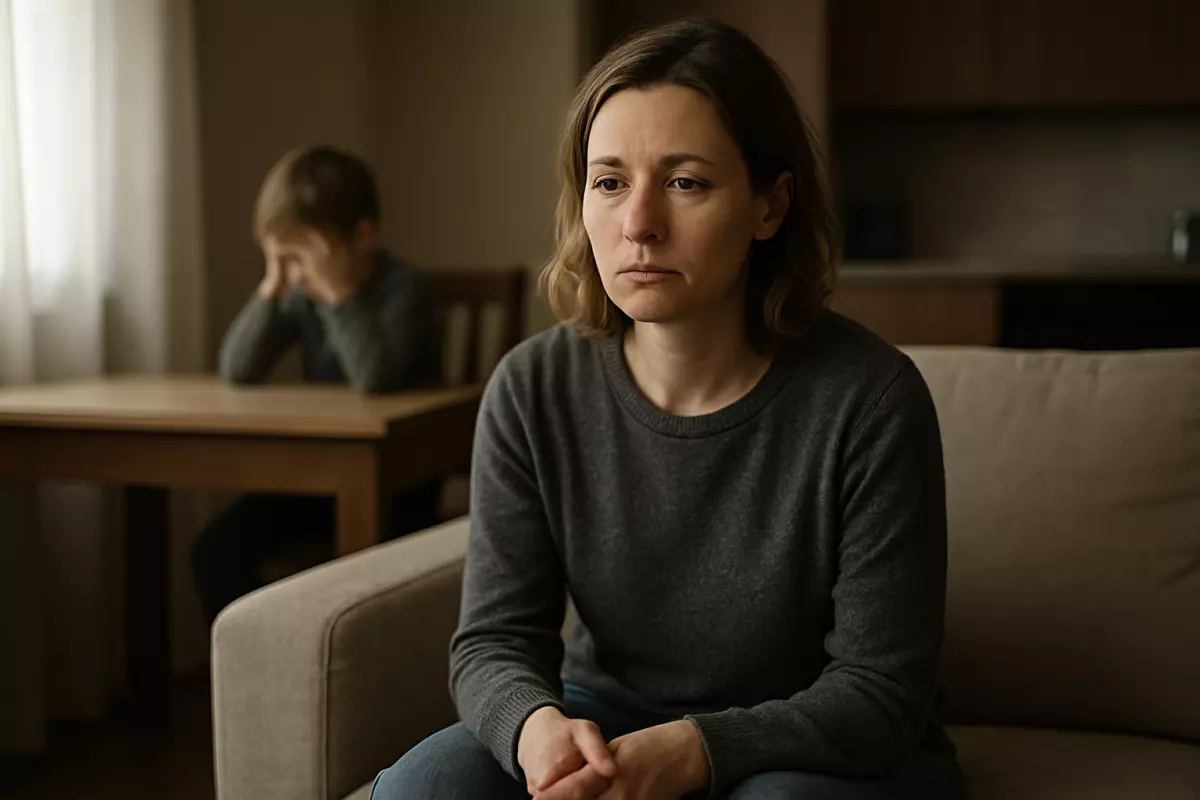 The article explains how intense experiences can delay emotional processing, so your reactions may feel muted and the contrast between what happened and numbness can be jarring.
After a major upheaval, you may notice your emotions go quiet, like the volume has been turned down. This is not coldness or failure; it can be your mind’s way of protecting you while it processes what happened. You might feel numb, detached, tired, or oddly calm, and everyday reactions may take longer to return. With rest, support, and gentle routines, this shutdown often eases and feelings gradually come back.
Impact of intense experiences on emotions
After a major shock, prolonged stress, or a high-stakes period, feelings can become harder to access. The mind often shifts into a “get through it” mode, prioritizing safety and problem-solving over emotional detail. This can look like calmness on the outside while the inside feels flat, distant, or oddly quiet.
Intense events can also change how emotions show up day to day. Some people notice fewer feelings overall, while others swing between being shut down and suddenly overwhelmed. These patterns are common when the nervous system has been running hot for a long time and then tries to conserve energy afterward.
- Narrowed emotional range: joy, excitement, or sadness may feel muted, as if everything is happening behind glass.
- Delayed reactions: feelings may arrive hours, days, or weeks later, often when life finally slows down.
- “Functional” behavior with low connection: tasks get done, but motivation is mechanical and relationships can feel distant.
- Startle and irritability: small problems may trigger outsized frustration because the system is already on edge.
- Emotional flooding: numbness can break suddenly into tears, panic, anger, or intense relief, sometimes without a clear trigger.
- Reduced pleasure and curiosity: hobbies, food, music, or social time may feel less rewarding than before.
What looks like “not feeling anything” is often a form of protection. When experiences are too intense to process in real time, the brain may dampen emotional signals to keep functioning. This protective shutdown can be helpful short term, but it may linger and create emotional numbness after intense life experiences, especially if the stress was repeated or there was no time to recover.
| What the experience is like | How it can show up in everyday life | Common misunderstanding |
|---|---|---|
| High threat or sudden shock | Feeling unreal, detached, or “on autopilot” | “I must not care.” |
| Long-term pressure with no breaks | Flat mood, low enjoyment, doing only essentials | “I’m lazy or ungrateful.” |
| Repeated conflict or instability | Quick irritation, guardedness, difficulty relaxing | “I’m just a negative person.” |
| Loss, grief, or major change | Periods of numbness mixed with sudden waves of emotion | “If I were coping well, I’d feel normal all the time.” |
These shifts can affect communication. People may describe emotions in vague terms (“fine,” “whatever”) or focus on facts rather than feelings. Others may avoid reminders of the event, not because they are indifferent, but because contact with those cues can quickly push them from shut down into overwhelm.
Over time, the body and mind usually try to rebalance, but the pace varies. Sleep changes, concentration problems, and social withdrawal can reinforce the sense of disconnection, making it harder to notice gradual improvement. Recognizing these patterns as common responses to intense experiences can reduce confusion and help explain why emotions may feel muted even when life looks “back to normal.”
Emotional processing delay

After a major event, it’s common for feelings to show up late rather than right away. The mind may focus on getting through the day, solving immediate problems, and keeping routines going, while the emotional “meaning” of what happened stays in the background. This can look like numbness at first, followed by sudden waves of sadness, anger, fear, or relief days or even weeks later.
This lag often happens because attention is taken up by practical demands: paperwork, medical decisions, family needs, work deadlines, or simply recovering physically. When the pressure eases, the nervous system has more room to register what occurred. The shift can feel confusing, especially if the person expected to feel something immediately and instead felt blank or oddly calm.
- Delayed reactions: feeling “fine” during the crisis, then becoming tearful or irritable afterward.
- Emotions arriving in bursts: brief spikes of panic, grief, or anger that come and go without warning.
- Mismatch with the situation: laughing at inappropriate moments, feeling detached at serious times, or reacting strongly to small setbacks.
- Body-first signals: headaches, stomach tension, fatigue, or restlessness before any clear emotion is recognized.
- Thought loops: replaying details, second-guessing decisions, or mentally “checking” what happened, even when trying to move on.
Everyday triggers often bring the feelings forward. A smell, a song, a place, a date on the calendar, or a casual comment can act like a reminder and unlock emotion that was previously out of reach. People sometimes interpret this as “going backward,” but it can be a normal sign that the brain is integrating the experience in manageable pieces.
| What it can look like | What may be happening underneath |
|---|---|
| Feeling strangely calm during the event | Survival mode prioritizes action and focus over feeling |
| Emotions hit later, once life slows down | The nervous system shifts from “do” to “process” |
| Strong reaction to a small problem | Stored stress finds an outlet when a safe opening appears |
| Physical symptoms without clear sadness or fear | Feelings are present but not yet labeled or consciously accessible |
When this pattern is at play, progress often looks uneven: periods of normal functioning mixed with moments of heaviness or agitation. Noticing the timing—what happens after quiet evenings, weekends, or milestone dates—can make the experience feel less random and help explain why numbness can coexist with intense feelings later on.
Why reactions may feel muted afterward
A flat or “blank” emotional response after something intense often reflects the body and mind shifting into a protective, energy-saving mode. When the nervous system has been running on high alert, it may swing toward shutdown afterward: fewer feelings, less urgency, and a sense of distance from what happened. This can look confusing from the outside, especially when others expect tears, excitement, anger, or relief.
Muted reactions also happen because intense events can overload attention and meaning-making. If there was too much to process at once, the brain may temporarily narrow what it lets in. People may go through routines, speak calmly, or focus on practical tasks while the emotional “signal” catches up later.
- Stress chemistry doesn’t turn off instantly. After adrenaline and cortisol have been elevated, the system can rebound into fatigue. That tiredness can feel like emotional dullness, low motivation, or a “can’t react” sensation.
- Protective distancing (dissociation) can kick in. Some people feel detached, unreal, or like they’re watching themselves from the outside. This isn’t a choice; it’s a common way the mind reduces overwhelm.
- Attention shifts to control and problem-solving. In the aftermath, many people default to logistics: paperwork, cleanup, planning, caretaking. Practical focus can temporarily crowd out feelings.
- Delayed processing is normal. Emotions may arrive in waves hours, days, or weeks later, especially when there’s finally quiet time or a reminder triggers the memory.
- Social expectations can suppress expression. Some environments reward “staying strong,” being useful, or not making others uncomfortable. People may automatically minimize outward emotion even if they feel a lot internally.
- Mixed feelings can cancel each other out. Relief and grief, pride and fear, anger and gratitude can coexist. When emotions conflict, the overall experience may register as numbness or neutrality.
- Habits and personality shape what shows. Those who grew up around limited emotional expression, or who rely on humor and rationality, may display fewer visible reactions even during major life changes.
| What it can look like | What may be happening underneath |
|---|---|
| Calm voice, matter-of-fact storytelling | System is still in “manage the situation” mode; feelings may surface later |
| Feeling “nothing,” even about something important | Emotional shutdown to conserve energy after overload |
| Going through the motions, focusing on chores or work | Task focus provides structure and reduces uncertainty |
| Sudden waves of emotion at unexpected times | Delayed processing triggered by safety, rest, or reminders |
These patterns are common after accidents, loss, conflict, medical crises, big transitions, or any situation that demanded sustained coping. The key point is that a subdued response doesn’t automatically mean a person “didn’t care” or wasn’t affected; it often means their system is regulating after intensity and sorting the experience into something manageable.
Contrast between event intensity and numbness

After something overwhelming, it can feel strange when the emotional reaction is muted or absent. People often expect big feelings to match a big event, so a flat, “nothing” response can seem confusing or even alarming. This mismatch is common because the mind and body may shift into a protective mode when the experience is too much to process all at once.
In everyday life, this can show up as going through the motions: handling logistics, making calls, or solving problems efficiently, while feeling detached from what is happening. The outside behavior may look calm and capable, but inside there may be a sense of distance, fog, or disconnection from feelings that would normally be present.
- High-stakes event, low emotional signal: A person describes a major loss or frightening incident in a steady voice, with little facial expression, then later wonders why they “didn’t feel anything.”
- Action first, emotion later: During a crisis, attention narrows to tasks and decisions; once the situation settles, emotions may arrive in waves days or weeks afterward.
- Physical stress without clear feelings: Sleep problems, tension, stomach upset, or jumpiness may appear even when sadness, fear, or anger feels inaccessible.
- Selective shutdown: Someone can laugh at a joke or focus at work, yet feel blank when talking about the intense experience, as if that topic is “behind glass.”
- Guilt or self-judgment: People may assume numbness means they did not care, when it can be a normal short-term response to overload.
| What the situation suggests | What numbness can look like in daily behavior | Common misunderstanding |
|---|---|---|
| “This should feel huge.” | Calm voice, practical focus, little visible reaction | “I must be cold or unaffected.” |
| “I should be able to explain how I feel.” | Blank mind, difficulty naming emotions, short answers | “I’m broken or in denial.” |
| “I should be grieving or angry right away.” | Delayed emotion, sudden crying later, irritability out of nowhere | “My reaction is fake or dramatic.” |
| “If I’m fine, my body should be fine too.” | Fatigue, headaches, restlessness, trouble sleeping | “It’s only physical; it can’t be related.” |
This kind of emotional shutdown often functions like a circuit breaker: it reduces intensity so a person can keep functioning. When the nervous system starts to feel safer, feelings may return gradually, or they may come in bursts triggered by reminders, anniversaries, or quiet moments when there is finally space to notice what happened.
Because the outward response can look “too calm,” friends, family, or coworkers may misread it as indifference. In reality, muted emotion after an intense life event is frequently a sign of overload and self-protection, not a measure of how much the experience mattered.
Psychological distancing as protection
Creating emotional space can be the mind’s way of staying functional when feelings are too intense, too complicated, or too constant. Instead of fully processing what happened, attention shifts toward “getting through the day.” This can look like calmness on the outside, while internally there is a sense of being detached, muted, or on autopilot.
This kind of distancing is often automatic rather than a deliberate choice. It may show up more strongly in situations that resemble the original event, during conflict, or when there is pressure to “move on” quickly. In the short term, it can reduce overwhelm and help a person keep working, parenting, studying, or managing practical tasks. Over time, though, relying on distance as the main coping tool can make it harder to feel pleasure, closeness, or motivation.
- Switching into “task mode”: focusing on chores, work, or logistics while emotions feel far away or irrelevant.
- Feeling unreal or disconnected: moments where surroundings seem foggy, distant, or like watching life from the outside.
- Keeping conversations surface-level: avoiding personal topics, changing the subject, or using humor to steer away from feelings.
- Minimizing the impact: saying “it wasn’t that bad” or “others have it worse” to avoid opening the emotional door.
- Reducing sensory input: turning off music, skipping social plans, or preferring quiet because stimulation makes feelings harder to manage.
- Staying busy to stay steady: over-scheduling as a way to prevent memories or reactions from catching up.
Distancing can also affect relationships in predictable ways. People may seem “fine” but become harder to read, less responsive, or less emotionally available. Loved ones might interpret this as not caring, when it is often a protective reflex: staying a step removed to prevent being flooded by grief, fear, anger, or shame.
It can help to notice when the mind uses distance as a default setting versus a temporary tool. A useful clue is flexibility: if someone can reconnect to feelings in safe moments but steps back when stress rises, it may be a situational coping strategy. If numbness and detachment feel constant across settings, it may signal that the nervous system is stuck in a protective mode and needs gentler ways to regain a sense of safety and emotional range.
Time and emotional integration
After a high-stress or overwhelming event, the mind often shifts into a “get through the day” mode. Feeling flat, detached, or unusually calm can be part of how the nervous system reduces overload. This can look like emotional numbness, even when the person still cares about what happened.
Emotions often return in pieces rather than all at once. Many people notice that feelings show up when the body has more downtime: on weekends, at night, in the shower, or during quiet moments. It’s also common for reactions to be delayed, with a stronger response appearing days or weeks later, once the immediate pressure has eased.
- Early phase: functioning on autopilot, focusing on tasks, paperwork, logistics, or caretaking while feelings feel distant or muted.
- Middle phase: brief “leaks” of emotion (irritability, tearfulness, sudden anxiety) that come and go, sometimes without a clear trigger.
- Later phase: a wider range of feelings becomes accessible again, but not always in a neat order; sadness, anger, relief, and guilt may alternate.
Everyday patterns can help explain why the process feels inconsistent. When someone is busy, socially “on,” or under deadlines, the brain may keep emotional intensity turned down. When the environment becomes safer or quieter, the system may allow more feeling to surface. This can be confusing: people may wonder why they feel worse after things “should be better,” when it’s actually a common timing effect.
| What people often notice | What it can mean in plain terms |
|---|---|
| Feeling blank in situations that “should” feel emotional | The mind is limiting intensity to prevent overload; caring may be present even if feelings are hard to access. |
| Sudden emotion during small triggers (a song, a smell, a casual comment) | Stored reactions can surface indirectly when the brain connects to reminders, even subtle ones. |
| Waves: okay for days, then unexpectedly low or tense | Recovery often comes in cycles; the nervous system recalibrates rather than moving in a straight line. |
| More feelings at night or when alone | Less distraction and fewer demands can make space for processing that was postponed during the day. |
It also helps to separate “not feeling much” from “not being affected.” People may still show signs of impact through sleep changes, concentration problems, reduced motivation, or a narrower emotional range. In daily life, this can look like going through the motions, avoiding reminders, or preferring routines because they require less emotional effort.
As emotional integration progresses, many people become better able to name what they feel, tolerate mixed emotions, and connect the reaction to the experience without being overwhelmed by it. Setbacks can still happen, especially around anniversaries, major life changes, or new stress, but they don’t necessarily mean someone is back at the beginning.
When numbness slowly fades
As emotional shutdown begins to ease, people often notice feelings returning in uneven waves rather than all at once. A common pattern is going through the day on autopilot and then suddenly feeling something sharply in a quiet moment, during a familiar routine, or after a small interaction. This shift can be confusing because the mind may still expect the “flat” state, even while the body starts reacting again.
Early signs of reawakening can look ordinary from the outside. Someone might laugh more easily, feel irritated over minor hassles, or tear up at a song they used to ignore. These reactions are not necessarily a setback; they can be a sign that the nervous system is moving out of protective detachment and back toward normal responsiveness.
- Emotions come back in fragments. It may be easier to feel anger or anxiety before feeling warmth, joy, or grief. Some feelings show up as brief flashes rather than a steady mood.
- Physical sensations become more noticeable. Appetite, fatigue, tension, and sleep changes can intensify as the body stops “muting” signals.
- Attention shifts from survival tasks to meaning. People may start questioning what happened, what it changed, and what they want next, sometimes long after the event itself.
- Social behavior becomes less mechanical. Instead of copying expected reactions, a person may respond more honestly, including needing more space or seeking more closeness.
- Triggers feel clearer. Certain places, dates, tones of voice, or smells may stand out as linked to the experience, making reactions feel more predictable over time.
It is also typical for sensitivity to rise during this phase. When the emotional “volume” returns, everyday stress can feel louder than expected. People might be more reactive in conversations, more affected by news, or more drained by crowds. This does not mean they are becoming fragile; it often reflects that the mind is no longer suppressing as much input.
| What it can look like day to day | What it often means |
|---|---|
| Feeling fine at work, then breaking down at home | Safety and privacy allow delayed emotions to surface |
| Sudden irritability over small problems | The system is less “numb,” so stress registers more strongly |
| Moments of connection followed by withdrawal | Closeness feels good, but vulnerability still feels risky |
| More vivid dreams or intrusive memories | The brain is processing what was previously pushed aside |
| Feeling emotion in the body first (tight chest, shaky hands) | Physical cues may return before clear emotional labels |
Progress through this stage is rarely linear. A person might feel present and engaged for a few days, then slip back into distance when overwhelmed, tired, or reminded of the intense experience. This back-and-forth is a common adjustment pattern: the mind tests how much feeling is manageable, then pulls back when it senses overload.
Over time, reactions tend to become more integrated: emotions last a more reasonable amount of time, triggers become easier to anticipate, and it becomes simpler to name what is being felt. The goal is not constant positivity, but a steadier range of feeling that matches what is happening in real life rather than a persistent sense of disconnection.