Knowing What You Should Feel but Feeling Nothing

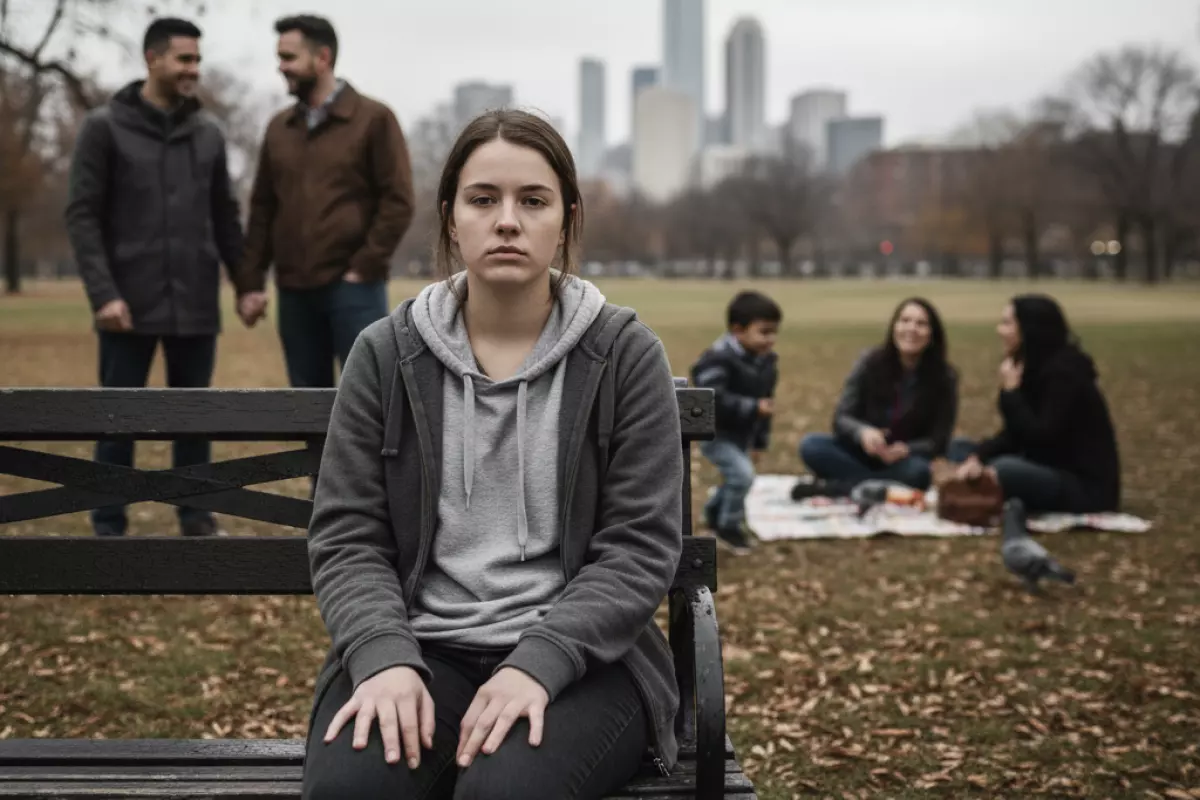 The article explains why expected emotions may not appear, including how social and personal expectations can clash with real feelings and how exhaustion can mute responses.
- Why expected emotions may not appear
- Social and personal expectations vs real feelings
- Emotional exhaustion and muted responses
- Shame and confusion caused by emotional absence
- Difference between emotional delay and numbness
- Why forcing emotion rarely works
- Allowing emotional space without pressure
- When lack of feeling becomes distressing
Sometimes you know what you should feel in a given moment, yet inside there is only blankness. This quiet mismatch can appear at work, in relationships, or even after good news, and it may leave you wondering what is wrong with you. Often it is a sign of stress, burnout, numbness, or disconnection from your needs, not a personal failure. We can slow down, notice what is happening, and make sense of it gently.
Why expected emotions may not appear
Feeling emotionally flat in moments that “should” be moving is often less about something being wrong and more about how the mind and body manage information, stress, and social expectations. People learn scripts for how big events are supposed to feel, but real emotional responses depend on timing, context, energy, and safety.
Emotions also don’t always arrive as a clear wave of sadness, joy, pride, or relief. Sometimes they show up indirectly as irritability, restlessness, fatigue, distraction, or a strong urge to keep busy. In everyday life, that can look like calmly handling a breakup, getting good news and immediately focusing on chores, or attending a meaningful event while feeling oddly detached.
- Emotional overload can trigger “numb mode.” When there’s too much happening at once, the brain may reduce emotional intensity so you can function. This is common during crises, major life changes, or prolonged stress.
- Delayed processing is normal. Some people feel little in the moment and then experience emotion later, once the situation is over and the nervous system has room to catch up.
- Stress chemistry can blunt feelings. High stress and adrenaline often narrow attention to tasks and problem-solving. That can make expected reactions feel muted, even during events that matter.
- Depression can flatten both highs and lows. Instead of sadness alone, depression often shows up as reduced pleasure, low motivation, and a sense that nothing “lands,” including good news.
- Burnout reduces emotional bandwidth. When mental and physical resources are depleted, even positive milestones can feel like one more thing to manage rather than something to enjoy.
- Grief and shock can feel like emptiness. Early grief frequently includes disbelief, fog, or calmness. The absence of tears doesn’t mean the loss isn’t registered.
- Social pressure can distort expectations. If you believe you must feel grateful, excited, or heartbroken, you may monitor yourself so closely that the natural response gets interrupted or judged away.
- People-pleasing and “performing” emotions can backfire. Focusing on appearing appropriately moved can disconnect you from what you actually feel, especially in public or family settings.
- Alexithymia or low emotional awareness can make feelings hard to detect. Some people experience emotion more as physical sensations (tight chest, stomach heaviness, headaches) than as named feelings.
- Protective detachment can be learned. If showing emotion wasn’t safe or welcomed earlier in life, the mind may default to distance, logic, or humor during intense moments.
- Medication, substances, sleep loss, and hormones can change emotional intensity. Many everyday factors influence how strongly feelings register, including poor sleep and chronic pain.
- Mismatch between the “script” and the real meaning. Sometimes the event is objectively important, but personally complicated: a promotion that increases stress, a reunion with mixed history, or an achievement that doesn’t match your values.
In practice, emotional absence often reflects a temporary protective state, a timing issue, or a difference in how feelings are expressed. Not reacting on schedule doesn’t automatically mean you don’t care; it may mean your system is prioritizing stability, control, or recovery before emotion becomes accessible.
Social and personal expectations vs real feelings

People often learn a “correct” emotional script long before they notice what is actually happening inside. Birthdays are supposed to feel exciting, promotions are supposed to feel proud, and losses are supposed to feel devastating. When the expected reaction doesn’t show up, it can create a confusing split between what someone thinks they should feel and what they genuinely experience, including numbness or a blank, neutral state.
This mismatch is common because expectations come from many places at once: family rules about being “strong,” cultural messages about gratitude, and social media highlight reels that imply everyone else is feeling the right thing at the right time. Over time, people may get better at performing the outward response than recognizing their internal signals. The result can look like functioning normally while feeling disconnected, delayed, or emotionally flat.
- “Should” feelings are often learned. Many emotional expectations are taught indirectly (praise for smiling, criticism for anger, pressure to “be happy” during celebrations), so the mind can prioritize the rule over the real reaction.
- Real emotions can be quieter than expected. Some feelings show up as subtle body cues (tight chest, fatigue, restlessness) rather than a clear label like “joy” or “sadness,” making it easier to miss them.
- Social performance can replace emotional contact. When someone focuses on saying the right words, matching facial expressions, or avoiding awkwardness, attention shifts away from inner experience.
- Mixed emotions can feel like nothing. Relief and guilt, pride and fear, love and resentment can cancel each other out in awareness, leaving a sense of emptiness instead of a single clear feeling.
- Stress can blunt emotional range. During busy or high-pressure periods, the nervous system may prioritize getting through tasks, which can temporarily reduce access to feelings.
| Common situation | Expected reaction | What “feeling nothing” can look like | Typical interpretation people make |
|---|---|---|---|
| Receiving good news | Immediate excitement or gratitude | Calm, blankness, delayed response, going straight to logistics | “Something is wrong with me.” |
| Loss or breakup | Visible sadness and tears | Practical problem-solving, numbness, feeling “fine” for days or weeks | “I must not have cared.” |
| Major milestone (graduation, wedding, moving) | Joy and certainty | Emptiness, irritability, sense of unreality, emotional lag | “I made the wrong choice.” |
| Family gathering or holidays | Warmth, closeness, nostalgia | Going through the motions, feeling detached, wanting to leave early | “I’m ungrateful.” |
In everyday behavior, this gap often shows up as “auto-pilot” routines: saying the expected phrases, mirroring other people’s energy, and later wondering why the moment didn’t land emotionally. Some people also overthink their reactions, scanning for the “right” feeling, which can make emotions even harder to access. Others avoid situations that highlight the contrast, not because they don’t care, but because the pressure to feel a certain way becomes uncomfortable.
Not feeling what’s expected doesn’t automatically mean a person is cold or broken; it often means the emotional system is out of sync with the social script. Recognizing the difference between external expectations and internal experience can reduce shame and make it easier to notice small, real reactions as they appear, even if they don’t match the standard storyline.
Emotional exhaustion and muted responses
When the mind and body are running on empty, feelings often get “turned down” rather than expressed in a clear way. People may still recognize what a situation usually calls for—sadness after a loss, excitement about good news, anger at unfairness—yet experience little to no emotional energy in the moment. This can look like calm on the outside, but it is often a sign of depleted capacity rather than true ease.
Emotional fatigue commonly shows up after long periods of stress, conflict, caregiving, overwork, or constant decision-making. Instead of strong reactions, responses become smaller, slower, or delayed. Someone might understand that something matters and still feel oddly blank, as if the “signal” is there but the volume is low. This muted state can also make it harder to access comforting emotions like warmth, gratitude, or relief.
- Flattened reactions: Laughing less, crying less, or feeling “neutral” during events that normally bring a clear response.
- Delayed feelings: Not reacting in the moment, then suddenly feeling something later (or not at all).
- Shorter emotional range: Experiencing fewer highs and lows, with most days feeling similar.
- Reduced empathy bandwidth: Caring about others in principle but struggling to feel moved or emotionally present.
- More irritability than emotion: Instead of sadness or fear, the main output becomes impatience, numb frustration, or a “snappy” tone.
- Going through the motions: Doing the right actions—showing up, helping, responding politely—without the matching inner feeling.
Muted responses are often maintained by practical habits that keep stress running: skipping breaks, sleeping poorly, constant notifications, or never fully “clocking out.” Over time, the nervous system can shift into a protective mode where it limits emotional intensity to prevent overload. This can be confusing because it may resemble not caring, even when values and intentions are still intact.
| What it looks like day to day | What may be happening underneath |
|---|---|
| You hear big news and respond with a small “oh” | Low emotional energy; the system prioritizes basic functioning over strong feelings |
| You know you “should” be upset, but feel blank | Protective shutdown after prolonged stress or repeated overwhelm |
| You feel detached in conversations | Attention and empathy are taxed; connection feels effortful |
| You can think clearly but feel little motivation | Cognitive skills remain online while emotional drive is dampened |
| Small problems feel disproportionately annoying | Stress tolerance is reduced; irritability replaces more complex feelings |
In this pattern, the key feature is not a lack of understanding but a lack of emotional fuel. Recognizing the difference helps explain why someone can be responsible, considerate, and aware, yet still feel numb or strangely unmoved in situations that used to matter more vividly.
Shame and confusion caused by emotional absence
When emotions don’t show up the way they “should,” many people don’t just notice the blankness—they judge it. The mind compares the situation to an expected script (sad at funerals, excited at good news, worried during conflict) and, when the inner response doesn’t match, it can trigger embarrassment, self-doubt, or a sense of being defective.
This often creates a confusing split: you can understand what the appropriate feeling is, describe it accurately, and even act it out socially, while still experiencing little to no emotional signal inside. Because the outside behavior may look normal, the internal mismatch can feel isolating and hard to explain.
- “I’m reacting wrong.” You notice your body and mind staying flat, then assume it means you’re cold, uncaring, or broken.
- “Other people feel this more than I do.” You compare yourself to friends, family, or characters in stories and conclude you’re missing something essential.
- “If I don’t feel it, it must not matter.” The lack of emotion is misread as proof that the event, relationship, or goal is meaningless, even when your values say otherwise.
- “I have to perform the right emotion.” You smile, nod, or say the expected words to avoid questions, which can increase the sense of being fake.
- “I can’t trust myself.” You worry that if your feelings are absent or delayed, your decisions and relationships are unreliable.
Common behavior patterns follow from that discomfort. Some people overcompensate by becoming extra agreeable, overly rational, or hyper-productive, hoping competence will cover the emotional gap. Others withdraw from situations that “should” evoke strong feelings—celebrations, serious talks, or moments of intimacy—because the pressure to respond correctly feels too exposing.
Confusion also tends to grow when emotions arrive late or in an unexpected form. Instead of sadness, there may be irritability; instead of excitement, restlessness; instead of fear, numbness. That mismatch can lead to second-guessing: you may label yourself as dramatic for being upset later, or guilty for not feeling anything in the moment.
| What the situation “calls for” socially | What emotional absence can look like | Typical interpretation | Common coping behavior |
|---|---|---|---|
| Comforting someone who is crying | Blank mind, mechanical words, little bodily response | “I’m heartless” | Scripted phrases, avoiding eye contact, leaving early |
| Receiving praise or a milestone achievement | No excitement, muted satisfaction | “Nothing makes me happy” | Downplaying the achievement, chasing the next task |
| Conflict with a partner or friend | Calm on the surface, internal fog | “I must not care about this relationship” | Over-explaining logically, shutting down, changing the subject |
| Loss, endings, or major change | No immediate grief, delayed reaction days later | “I’m grieving wrong” | Keeping busy, avoiding reminders, then sudden overwhelm |
Over time, the fear of being judged can make the numbness feel worse. If you expect criticism, you may monitor yourself constantly for “correct” reactions, which adds tension and makes genuine feeling even harder to access. Recognizing this cycle helps separate the absence of emotion from moral character: not feeling on cue is a common human experience, and the shame often comes more from expectations than from the emotional state itself.
Difference between emotional delay and numbness

Both experiences can look like “nothing is happening” on the outside, but they work differently on the inside. With a delayed reaction, feelings are present but arrive later, often after the situation has passed. With numbness, the emotional response is muted or inaccessible in the moment and may stay that way for a while, even when you expect to feel something.
| What to notice | Emotional delay | Emotional numbness |
|---|---|---|
| Timing | Feelings show up later (hours, days, sometimes weeks) after the event. | Feelings feel “switched off” during the event and may remain faint afterward. |
| Inner experience | You may feel oddly calm at first, then suddenly get hit with sadness, anger, relief, or fear when you’re alone or safe. | You may sense emptiness, flatness, or detachment, like you’re observing life rather than participating in it. |
| Typical behavior patterns | Functioning looks normal until the emotion “catches up,” then you might cry unexpectedly, snap at small things, or feel overwhelmed without a clear trigger. | Going through the motions, low motivation, reduced facial expression, less spontaneous laughter or tears, and difficulty reacting to good or bad news. |
| Body signals | Physical stress can build quietly, then release later (tight chest, headaches, stomach issues, sudden fatigue). | Body can feel heavy, slowed down, or oddly “blank”; sometimes there’s tension without a matching emotion. |
| Thought patterns | “I guess it didn’t affect me” followed later by “Why am I reacting now?” | “I know this matters, but I can’t feel it” or “I should feel something, but it’s not there.” |
| What tends to bring feelings back | Time, rest, a quiet moment, talking it through, or a reminder that makes the event feel real. | Gentle reconnection: sleep, routine, safe relationships, sensory grounding, and reducing overload; feelings may return gradually rather than all at once. |
| Common everyday examples | Staying composed during a breakup conversation, then crying hard the next day; handling a work crisis, then feeling shaky after it’s resolved. | Hearing major news (good or bad) and feeling neutral; being with friends but feeling distant, as if behind glass. |
A practical way to tell them apart is to look for movement over time. A delayed response usually has a “later release” point where emotion becomes clear and specific. Numbness often feels more like a sustained lack of access, where you can describe what you think you should feel but can’t locate the feeling itself.
- Delayed reaction often ends with a recognizable wave of emotion that matches the event.
- Numbness more often comes with disconnection from both positive and negative feelings, not just one situation.
- It’s possible to have both: numbness first, then a later emotional surge when you finally feel safe enough to process what happened.
Why forcing emotion rarely works
Trying to make yourself feel something on command often backfires because emotions are usually a result, not a switch. They tend to show up after your brain has processed meaning, safety, and relevance. When you push for a specific feeling before that process is ready, the mind often responds with tension, self-monitoring, or numbness rather than the emotion you’re aiming for.
In everyday life this shows up as “I should be sad,” “I should be grateful,” or “I should be excited,” followed by scanning your body for proof. That scanning can turn into performance pressure: instead of experiencing the moment, you’re evaluating whether you’re having the “right” reaction. The more you judge the absence of a feeling, the more the nervous system may protect you by flattening sensation.
- Pressure triggers resistance. When a feeling is treated like a requirement, the brain reads it as a demand. Demands increase stress, and stress often narrows emotional range.
- Self-checking interrupts the experience. Monitoring your face, tone, or “level of emotion” pulls attention away from what could naturally move you.
- “Should” creates a second problem. Not only is the original situation happening, but now there’s also a layer of shame or worry about reacting incorrectly.
- Some emotions need time and context. Grief, relief, pride, and affection often arrive after reflection, conversation, or rest—forcing them early can delay them.
- Numbness can be protective. If a situation feels overwhelming, the mind may reduce feeling to keep you functional. Trying to override that protection can intensify shutdown.
- Mismatch between thoughts and body state. You can intellectually agree that something is meaningful while your body is tired, anxious, or dissociated, making the emotional response hard to access.
| Common attempt | What it can unintentionally signal | Typical outcome |
|---|---|---|
| “I need to feel grateful right now.” | There’s a correct emotion and you’re failing to produce it | Guilt, forced positivity, emotional flatness |
| Replaying a memory to “make” yourself cry | You must prove the feeling through intensity | More thinking, less feeling; frustration or shutdown |
| Comparing your reaction to others | Your internal response is not acceptable | Self-consciousness, disconnection, irritability |
| Trying to act emotional so it becomes real | Performance is safer than vulnerability | Temporary relief, then emptiness or impostor feelings |
A more workable pattern is to focus on conditions that let emotion emerge: reducing pressure, allowing mixed reactions, and staying with simple facts of the moment (sensations, thoughts, and needs) without grading them. When the system feels safer and less evaluated, feelings are more likely to return on their own timeline.
Allowing emotional space without pressure
Emotions often show up on their own schedule, and trying to force the “right” reaction can make numbness last longer. When someone believes they should feel grief, joy, gratitude, or relief but feels blank instead, the most helpful shift is to replace urgency with permission: permission to be neutral, confused, or delayed.
Pressure usually comes from two places: internal rules (what a “normal” person would feel) and social expectations (how others think you should respond). Both can trigger self-monitoring, which keeps attention on performance rather than on what is actually happening inside. Creating room means treating emotions as information that may arrive gradually, not as a task to complete.
- Stop grading the moment. Noticing “I’m not feeling what I expected” is useful; judging it as wrong tends to add tension and shut down awareness.
- Use neutral labels. Simple descriptions like “flat,” “distant,” “foggy,” or “muted” can be more accurate than forcing a specific emotion word.
- Make space for mixed signals. It is common to have body reactions (tight chest, tiredness, restlessness) without a clear feeling attached. Those cues still count.
- Choose low-stakes contact with the experience. Brief check-ins work better than long “figure it out” sessions. For example, noticing sensations for 30 seconds, then returning to your day.
- Let expression be optional. Talking, crying, or “processing” can help, but requiring it can backfire. Some people feel more after rest, routine, or quiet.
It also helps to separate meaning from emotion. Feeling nothing does not automatically mean you do not care, that an event was insignificant, or that you are cold. It can reflect overload, shock, chronic stress, depression, burnout, medication effects, or a learned habit of staying composed. When the nervous system is in protection mode, emotional access is often reduced until things feel safer.
| Common pressure pattern | What it tends to cause | More spacious alternative |
|---|---|---|
| “I should feel something by now.” | Rushing, self-criticism, more shutdown | “It may take time; I can notice small shifts.” |
| Comparing your reaction to others | Performing emotions, second-guessing | “Different bodies respond differently to the same event.” |
| Interrogating yourself for a clear answer | Overthinking, detachment from sensations | “I can be curious without demanding certainty.” |
| Forcing a release (crying, talking, catharsis) | Frustration, feeling defective | “Expression is one option, not a requirement.” |
In everyday life, this looks like giving yourself a wider range of “acceptable” responses: attending an event without pretending to be excited, taking a walk after difficult news instead of analyzing it, or telling someone, “I’m still taking it in.” Over time, consistent safety cues—sleep, food, predictable routines, and supportive interactions—often do more to restore feeling than intense effort.
If numbness persists and starts affecting relationships, work, or self-care, it can be useful to treat it as a signal rather than a flaw. The goal is not to manufacture emotion on demand, but to reduce the conditions that keep it blocked and to allow feelings to return at a pace your system can handle.
When lack of feeling becomes distressing
Emotional numbness can be more than a quiet absence; it becomes a problem when it starts to interfere with daily life, relationships, or a basic sense of meaning. Many people describe it as knowing what a reaction “should” be, but experiencing a blank or muted response instead. The mismatch between expectations and inner experience often creates worry, guilt, or a fear that something is wrong.
This kind of shutdown is especially unsettling when it shows up in situations that usually carry strong emotion, such as good news, conflict, intimacy, or loss. Rather than feeling neutral, a person may feel detached, foggy, or “behind glass,” going through the motions while internally disconnected. Over time, this can lead to avoidance of situations that might expose the numbness, which can shrink life and reinforce the pattern.
- It disrupts functioning: motivation drops, decisions feel mechanical, and tasks that used to matter feel pointless or hard to start.
- It strains relationships: others may read the flatness as disinterest, coldness, or rejection, even when care is present.
- It triggers self-doubt: people may question their character or capacity for love because their feelings do not match their values.
- It leads to overcompensation: forcing reactions, copying expected emotions, or performing “the right response” to avoid being misunderstood.
- It increases risk-taking or numbing habits: some chase intensity to “feel something,” while others lean on distractions that further dull emotion.
Typical behavior patterns often include staying busy to avoid noticing the emptiness, withdrawing from emotionally charged conversations, or relying heavily on logic and problem-solving while skipping the feeling part. In the moment, this can look like calmness, but internally it may be a protective response to overwhelm, chronic stress, burnout, or unresolved grief. The person may still care deeply; the emotional system is simply not delivering the expected signal.
It tends to become most distressing when the numbness is persistent, spreads across more areas of life, or starts to affect identity: “If I do not feel joy, sadness, or connection, who am I?” Another common tipping point is when the lack of response shows up around people who matter most, such as a partner or child, because it clashes with the person’s intentions and values.
Practical signs that the situation has moved from an occasional dip into a more concerning pattern include a steady sense of detachment, difficulty enjoying anything even when circumstances are good, and feeling emotionally “stuck” despite wanting to engage. If the numbness is paired with hopelessness, thoughts of self-harm, or a sense of being unsafe, it signals an urgent need for support rather than more self-criticism.