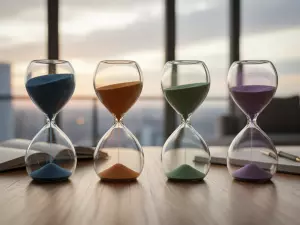
Emotional Changes That Appear After Waiting Too Long

 The article explains why waiting can destabilize emotions, how long pauses create emotional buildup, and how momentum loss can lower mood. It contrasts waiting with active engagement, shows how delays reshape feelings into subtle frustration, and what you feel after release.
Delaying a needed conversation, decision, or change can quietly shift your emotions until they feel impossible to ignore. Patience may slowly turn into tension, self-doubt, or a low-grade resentment that seeps into everyday moments. This article looks at how waiting beyond your limit affects mood, motivation, and relationships, and how to spot the turning point with compassion for yourself.
Why waiting affects emotional stability
Delays can feel emotionally disruptive because they put the brain in a “not yet” state: you’re alert enough to anticipate an outcome, but you don’t have the information or control needed to settle. That tension often shows up as restlessness, irritability, or a low-level sense that something is unfinished, even when daily life is otherwise normal.
When time drags on without a clear update, people tend to fill in the gaps. The mind looks for patterns and explanations, and it often defaults to worst-case interpretations because those feel safer to prepare for. This can make mood swing between hope and disappointment, especially when small signals (a message, a missed call, a change in tone) get treated like major evidence.
- Uncertainty increases mental load. Not knowing what will happen keeps attention partially stuck on the pending issue, making it harder to relax, focus, or enjoy other activities.
- Loss of control triggers stress responses. Waiting usually means someone else or something else decides the timing, which can create frustration and a heightened sensitivity to small setbacks.
- Anticipation amplifies emotion. The longer the build-up, the stronger the imagined payoff or threat can become, so reactions may feel bigger than the situation “should” warrant.
- Rumination becomes a default coping habit. Replaying conversations, checking for updates, or mentally rehearsing outcomes can briefly reduce anxiety, but it often keeps the nervous system activated.
- Social comparison adds pressure. Seeing others move forward (getting responses, decisions, or results) can make your own delay feel personal, even when it’s simply timing.
- Interrupted routines weaken resilience. Sleep, appetite, and exercise can shift during prolonged delays, and those basics strongly influence emotional steadiness.
Over time, these patterns can create a loop: the more you wait, the more you monitor; the more you monitor, the more intense the feelings become. That’s why prolonged delays often lead to sharper reactions like snapping at small annoyances, feeling unusually sensitive to criticism, or switching between “it’s fine” and “it’s a disaster” within the same day.
| What happens during waiting | Common emotional effect | Typical everyday behavior |
|---|---|---|
| Unclear timeline or mixed signals | Anxiety, mental agitation | Checking the phone repeatedly, rereading messages, seeking reassurance |
| High stakes attached to the outcome | Pressure, fear of loss | Over-preparing, imagining worst-case scenarios, difficulty concentrating |
| Little ability to influence the result | Frustration, irritability | Snapping at small inconveniences, feeling “on edge,” impatience in other areas |
| Long gaps without updates | Hopelessness or emotional numbness | Withdrawing, procrastinating, losing interest in normal routines |
In everyday terms, waiting strains emotional balance because it combines uncertainty, anticipation, and limited control. Even when nothing “bad” is happening, the body can stay in a mild stress mode, which makes moods less predictable and small triggers feel bigger than usual.
Emotional buildup during prolonged pauses

Long stretches of waiting often create a “pressure cooker” effect: feelings don’t disappear, they stack up. When there’s no clear update, deadline, or decision point, the mind keeps returning to the same unanswered question. That repeated loop can make reactions stronger than the situation would normally call for, especially when daily life still has to continue around the uncertainty.
As time drags on, people commonly shift from simple impatience to a mix of tension, self-doubt, and mental fatigue. The longer the pause, the more likely it is that small signals (a short text, a delayed reply, a vague comment) get interpreted as meaningful. This is less about being “dramatic” and more about the brain trying to fill in missing information to regain a sense of control.
- Rumination increases: thoughts replay conversations, re-check past choices, and imagine alternate outcomes, making it harder to focus on normal tasks.
- Emotions become more reactive: minor inconveniences can trigger outsized irritation or sadness because the baseline stress level is already elevated.
- Hope and discouragement alternate: optimism spikes with any hint of progress, then drops sharply when nothing changes.
- Interpretations get harsher: neutral events may be read as rejection, failure, or a sign that things are “going wrong.”
- Body cues show up: restlessness, trouble sleeping, tightness in the chest or stomach, and a short temper can appear even when the person tries to “stay calm.”
- Social behavior shifts: some people withdraw to avoid talking about the situation; others seek constant reassurance or repeatedly ask for updates.
Over time, the emotional load can start shaping behavior in predictable ways. People may procrastinate because starting anything feels pointless until the waiting ends, or they may overwork to distract themselves. In relationships, prolonged silence can lead to testing behaviors (sending extra messages, checking for signs of interest) or the opposite response: going quiet to protect against disappointment.
| What the waiting period looks like | Typical emotional shift | Common everyday behavior |
|---|---|---|
| Early stage (hours to a few days) | Impatience, mild worry | Checking for updates more often, replaying recent events |
| Middle stage (several days to weeks) | Tension, irritability, doubt | Overanalyzing messages, trouble concentrating, snapping at small things |
| Extended stage (weeks to months) | Emotional exhaustion, numbness or heightened sensitivity | Avoiding the topic, withdrawing socially, or seeking repeated reassurance |
| Uncertain endpoint (no clear timeline) | Loss of control, pessimism, resignation | Making “protective” decisions quickly, assuming the worst, disengaging |
These patterns are especially likely when the outcome feels personal, high-stakes, or tied to identity (belonging, security, competence). When the pause finally ends, the release can be intense: relief may come with anger about the delay, or happiness may feel muted because the person has already spent so long bracing for disappointment.
Loss of momentum and mood decline
Waiting past the moment when action would have been easier often leads to a noticeable drop in drive. What started as “I’ll do it soon” can turn into a heavier feeling of resistance, where even small steps seem like they require extra effort. This shift is common because the mind begins treating the task as overdue, not just unfinished.
As time passes, the emotional tone around the decision can change. Anticipation fades, and it may be replaced by irritability, self-doubt, or a low-grade sense of defeat. People often describe feeling less like they are choosing and more like they are being pushed around by circumstances, which can make the whole situation feel more draining than it did at the start.
- Energy drops after repeated delays: Each “not today” can make the next attempt feel harder, because the brain learns the pattern of postponing and expects discomfort.
- Motivation gets replaced by pressure: Instead of excitement or curiosity, the main driver becomes fear of consequences, which is a weaker and more stressful fuel source.
- Mood becomes more reactive: Small setbacks, reminders, or comments from others can trigger outsized frustration because the issue already feels loaded.
- Self-talk turns harsher: People may start labeling themselves as lazy or incapable, even when the real problem is uncertainty, fatigue, or lack of clarity.
- Enjoyment shrinks: Activities that used to feel rewarding can feel flat when a delayed decision sits in the background, taking up attention.
| What the delay looks like | Typical emotional and behavioral effect | A practical way it shows up day to day |
|---|---|---|
| Putting off a clear next step | Drive fades; starting feels “bigger” than it is | Needing extra time to “get ready,” even for a small task |
| Waiting for the perfect mood or moment | More disappointment and impatience | Checking the clock, scrolling, or reorganizing instead of beginning |
| Avoiding a conversation or decision | Background tension and irritability increase | Overthinking messages, rereading drafts, or dodging calls |
| Letting deadlines get close | Stress spikes; confidence drops | Doing rushed work, sleeping poorly, or snapping at minor issues |
| Repeatedly restarting without finishing | Hopelessness and cynicism creep in | Abandoning plans quickly and assuming “it won’t work anyway” |
One reason this pattern feels so discouraging is that delay changes the story people tell themselves. The task stops being “something I’m working on” and becomes “something I keep failing to do,” which can pull mood down and make avoidance more likely. Over time, the emotional cost becomes part of the problem, not just the original situation.
Regaining traction usually starts with making the next step smaller and more concrete than the mind expects. When the first action is clear and limited, it reduces the sense of overwhelm and helps rebuild a feeling of control, which is often what lifts mood and restores forward movement.
Waiting versus active engagement

Long delays tend to feel different depending on whether a person is simply hoping something will change or taking small, realistic steps while time passes. Passive delay often keeps attention locked on what is missing, which can amplify doubt, irritability, and a sense of being stuck. In contrast, purposeful involvement usually gives the mind something concrete to hold onto, which can reduce rumination even when the outcome is still uncertain.
A common pattern is that “just waiting” narrows daily life. People may check messages repeatedly, replay past conversations, or postpone plans until they get an answer. This can create a loop where time feels slower, motivation drops, and emotions swing between optimism and disappointment. Active participation, by comparison, shifts focus toward what can be controlled: preparing, practicing, asking for clarity, or building alternatives so the future does not depend on a single result.
| What it looks like in daily life | Typical emotional effect over time | How it often shows up behaviorally |
|---|---|---|
| Waiting without a plan | More helplessness, impatience, and self-doubt | Frequent checking, procrastination, avoiding other commitments |
| Waiting with a clear timeline | Less uncertainty pressure, steadier mood | Setting check-in dates, limiting how often updates are sought |
| Taking small steps while outcomes are pending | More agency and calm, fewer emotional spikes | Practicing skills, preparing documents, making backup plans |
| Seeking information or feedback | Reduced ambiguity, though sometimes short-term anxiety | Asking direct questions, clarifying expectations, confirming next steps |
| Staying engaged with everyday routines | More stability and self-trust | Maintaining sleep, exercise, social plans, and regular work patterns |
Active engagement does not mean forcing an outcome or staying busy to avoid feelings. It usually means choosing one or two actions that match the situation: clarifying what “an answer” actually is, deciding when to follow up, and continuing life in parallel rather than putting it on hold. When people wait too long without these anchors, emotions often become more reactive, and the delay itself can start to feel like a personal rejection rather than a neutral stretch of time.
- Make the waiting measurable: define what counts as progress (a reply, a meeting date, a decision point) and when to check again.
- Separate hope from planning: allow room for the desired outcome while also preparing for a different one.
- Limit “monitoring” behaviors: reduce repeated inbox checking or social scanning that fuels anxiety.
- Choose one controllable step: a draft, a call, a practice session, or a short conversation that moves things forward.
How postponed outcomes reshape emotions
When results arrive later than expected, feelings rarely stay “on hold.” The mind keeps updating the story in the background, so the eventual outcome lands on top of weeks or months of built-up meaning. That extra time can soften reactions, but it can also intensify them because expectations, worries, and imagined scenarios have had more room to grow.
Delays often change emotions because the brain treats uncertainty like unfinished business. People tend to re-check clues, replay conversations, and scan for signs of what will happen next. This can shift the emotional center of gravity from the original event to the waiting period itself, making the wait feel like the main problem rather than the outcome.
- Anticipation expands: With more time, people mentally rehearse both best- and worst-case endings. Excitement can turn into restlessness, and hope can become a fragile “don’t jinx it” feeling.
- Anxiety becomes more specific: Early worry is often vague. Over time it can attach to concrete fears (rejection, financial strain, embarrassment), which makes the emotional response sharper and harder to shake.
- Motivation can flip: Some people push harder to regain control (more planning, more checking). Others disengage to protect themselves, which can look like procrastination, numbness, or “I don’t care anymore.”
- Relief is less pure: Even good news can arrive with leftover tension. The body may stay keyed up, so the first reaction is exhaustion or irritability before happiness catches up.
- Disappointment hits differently: A negative outcome after a long wait can feel like losing twice: first the time and energy spent waiting, then the result itself. This often brings resentment or self-blame.
- Meaning gets rewritten: The longer the gap, the more people interpret the delay as a signal (someone doesn’t value me, the system is unfair, I’m not capable). Those interpretations shape emotions as much as the final answer does.
| What changes during the wait | Common emotional shift | Typical everyday behavior pattern |
|---|---|---|
| Expectations inflate or swing between extremes | Hope becomes fragile; excitement turns into tension | Constantly imagining outcomes; “pre-celebrating” then pulling back |
| Uncertainty stays unresolved | Background stress, irritability, difficulty relaxing | Checking messages, refreshing portals, seeking reassurance |
| Sense of control drops | Helplessness or anger | Over-planning and micromanaging, or avoiding the topic entirely |
| Time investment grows | Higher stakes, stronger disappointment if it goes badly | Replaying “what I should’ve done,” bargaining, rumination |
| Identity and self-worth get involved | Shame, defensiveness, or extra sensitivity to feedback | Comparing to others, reading neutral comments as criticism |
| Emotional energy gets depleted | Numbness, low mood, muted joy even with good news | Withdrawing socially, procrastinating, feeling “too tired to react” |
Because of these shifts, the final outcome often feels like a trigger rather than the whole story. A quick “yes” can produce calm satisfaction, while a delayed “yes” may bring a complicated mix of relief and fatigue. Similarly, a delayed “no” can feel more personal, not necessarily because it is, but because the waiting period gave the mind time to attach extra meaning to it.
Subtle frustration without clear anger
This often shows up as low-level irritation that never becomes a full argument. After waiting too long for a decision, a reply, or a change that should have happened, people may look “fine” on the surface while their patience quietly thins. The mood shift is usually more about accumulated strain than a single event.
Instead of obvious outbursts, the tension leaks into small behaviors: a sharper tone, less warmth, and a sense of being mentally “done” with the situation. Because it doesn’t feel like anger, it can be easy to miss or dismiss, even though it affects communication and follow-through.
- Shorter responses: Messages become brief, practical, or delayed, with fewer friendly extras.
- Reduced flexibility: Minor changes or requests feel harder to accommodate than they normally would.
- Quiet criticism: More frequent “should” statements, subtle corrections, or pointing out inefficiencies.
- Lower tolerance for repetition: Having to explain the same thing again triggers visible impatience.
- Withdrawing effort: Doing the minimum, avoiding optional tasks, or stopping helpful reminders.
- Body-language cues: Sighing, tight facial expressions, faster movements, or a tense posture without direct confrontation.
In everyday situations, this can appear during long waits for feedback at work, ongoing delays in shared plans, or prolonged uncertainty in relationships. People may still cooperate, but they do it with less emotional availability, which can make interactions feel colder or more transactional.
| Where it shows up | Typical “quiet” signs | What it’s often protecting |
|---|---|---|
| Texting and calls | Longer gaps, one-word replies, fewer questions | Energy and attention that feel wasted by uncertainty |
| Work and tasks | Less initiative, more rigid boundaries, “just tell me what you want” tone | Time and competence; avoiding more rework |
| Shared plans | Less enthusiasm, reluctance to commit, “whatever works” phrasing | Disappointment from repeated letdowns |
| Face-to-face conversations | Tight smiles, quick topic changes, impatience with details | Emotional control; preventing a bigger conflict |
Because this kind of irritation is muted, it can be misread as disinterest or moodiness. In reality, it often signals that the person has been waiting past their comfort zone and is trying to stay civil while their internal tolerance is running low.
Emotional responses after resolution or release
Once a long wait finally ends, feelings often arrive in a rush rather than in a neat, single reaction. The mind has usually spent weeks or months rehearsing outcomes, bracing for disappointment, or staying “on” to manage uncertainty. When the situation is resolved, that built-up tension can spill into relief, irritability, numbness, or even sadness, sometimes all in the same day.
It’s also common to feel surprised by your own response. People expect closure to feel purely good, but after waiting too long, the nervous system may need time to downshift. The result can look like overreacting to small things, feeling oddly flat, or needing extra sleep, even when the outcome is positive.
- Relief that feels physical: Shoulders drop, breathing deepens, appetite returns, or fatigue hits hard. This can happen because the body stops running on adrenaline and finally notices how tired it is.
- Delayed anger: Frustration that was “held together” during the waiting period may show up after the decision, diagnosis, apology, or final message arrives. People may replay what felt unfair, slow, or avoidable.
- Emotional whiplash: A quick swing between gratitude, resentment, and worry. When you’ve been preparing for multiple outcomes, the mind can keep switching tracks even after the answer is known.
- Numbness or emptiness: Instead of feeling happy, some people feel blank. This can be a normal decompression response when stress has been constant for a long time.
- Grief for the time lost: Even with a good outcome, there may be sadness about missed opportunities, strained relationships, or the energy spent waiting.
- Difficulty trusting the “final” result: People may keep checking messages, rereading documents, or asking for reassurance, as if the situation could reverse at any moment.
- Restlessness after closure: When waiting becomes a routine, the end can feel unsettling. Some people immediately look for the next problem to solve because calm feels unfamiliar.
| What it can look like day-to-day | What it often reflects | Why it shows up after a long wait |
|---|---|---|
| Sudden exhaustion, sleeping more, “crashing” | Stress recovery | The body stops maintaining high alert and pays back the energy cost |
| Irritability over minor issues, snapping at others | Stored frustration | Self-control was used to stay functional during uncertainty |
| Feeling flat, detached, or “I should feel happier” | Emotional shutdown | Numbness can be a protective response when feelings were too intense for too long |
| Replaying conversations, second-guessing, checking for updates | Lingering anxiety | The brain learned to scan for changes; it doesn’t stop instantly when the outcome arrives |
| Crying unexpectedly, sadness despite good news | Grief and release | Relief can coexist with mourning the time, effort, or losses tied to the delay |
| Overplanning, rushing into the next task, inability to relax | Habitual vigilance | Waiting can train a person to stay busy to avoid feeling powerless |
These reactions often settle as the brain updates to the new reality: the threat is over, the decision is made, the relationship status is clear, or the outcome is known. For many people, the emotional “aftershock” is less about the final result and more about how long they had to hold uncertainty in their body and daily life.