The Emotional Impact of Constant Online Information Intake

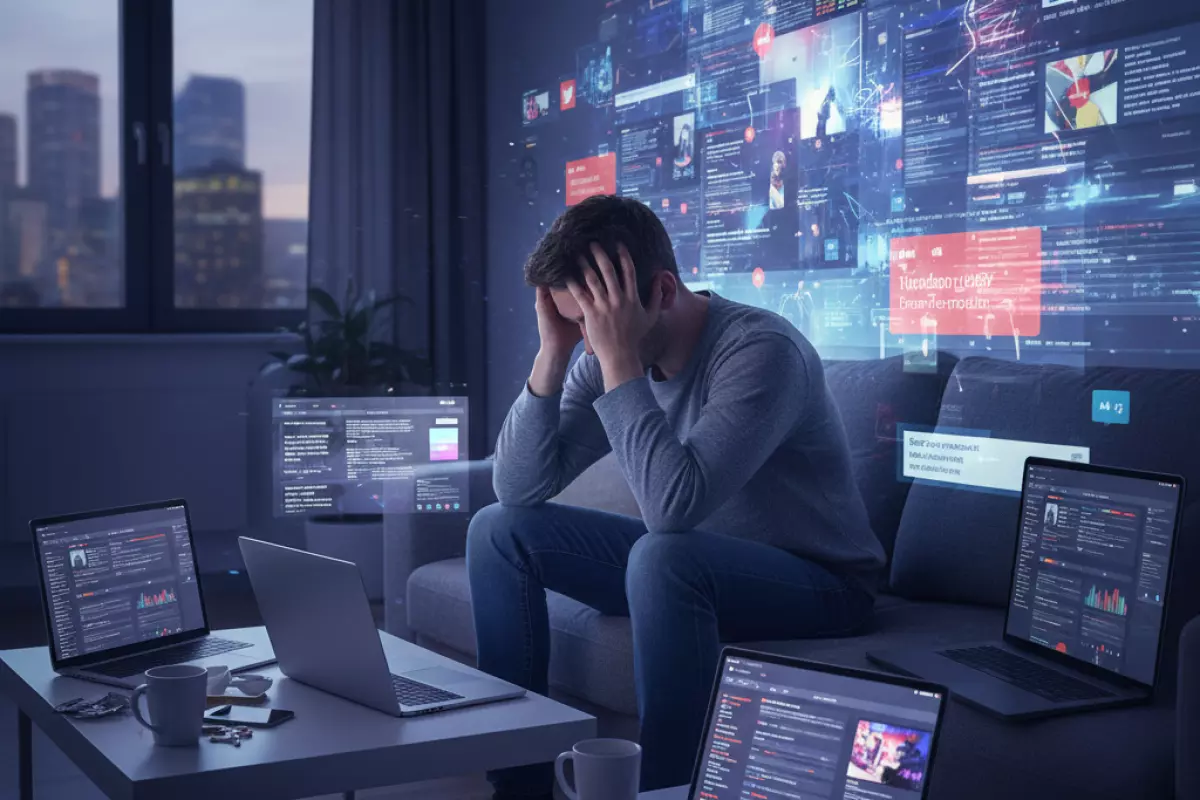 Nonstop information can drain your emotional energy, leading to saturation, tension, or numbness. It explains how overexposure, comparison, and attention fatigue trigger mood shifts, why feelings lag behind what you consume, and how to set healthier information boundaries.
A nonstop stream of updates, alerts, and headlines can quietly reshape how you feel. Many of us reach for our phones in spare moments, hoping for connection or clarity, but end up with a low hum of tension, irritability, or numbness. This piece looks at how constant digital input crowds out recovery time, amplifies worry, and makes it harder to notice what you actually need.
Emotional effects of nonstop information
Constant updates, alerts, and scrolling can quietly reshape mood throughout the day. Instead of feeling informed, many people notice a low-level sense of pressure to keep up, paired with the worry that something important is being missed. This emotional “background noise” often builds because the brain rarely gets a clean stopping point.
These reactions are common because online information arrives in mixed emotional tones: alarming headlines next to jokes, personal milestones next to conflict, and urgent notifications next to ads. Switching between them at speed can make feelings more intense, less stable, or harder to interpret.
- Baseline anxiety and tension: Frequent exposure to breaking news, arguments, or worst-case framing can keep the body in a mild stress response. People may feel keyed up even when nothing is happening in their immediate environment.
- Irritability and shorter patience: Rapid-fire content and interruptions can reduce tolerance for delays and everyday friction. Small problems may feel bigger after a long stretch of notifications and multitasking.
- Emotional whiplash: Jumping from tragedy to humor to outrage in minutes can leave emotions feeling scattered. Some people describe feeling “numb” because there is no time to process one feeling before the next arrives.
- Fear of missing out and social comparison: Seeing curated highlights, achievements, and social activity can trigger self-doubt or restlessness. Even neutral posts can create the sense that others are doing more or living better.
- Reduced satisfaction: When attention is repeatedly pulled to new stimuli, it can be harder to feel content with what is already happening. The mind stays oriented toward “what’s next,” which can blunt enjoyment.
- Guilt and self-criticism: People often feel conflicted about time spent consuming content, especially when it replaces sleep, exercise, or in-person connection. This can create a loop: stress leads to more scrolling, and more scrolling leads to more stress.
- Helplessness and cynicism: A steady stream of problems without clear actions can produce emotional fatigue. Over time, this may show up as disengagement, pessimism, or the feeling that nothing makes a difference.
| Common pattern | How it tends to feel | Typical day-to-day behavior |
|---|---|---|
| Checking “just in case” | Uneasy if not updated, brief relief after checking | Unlocking the phone repeatedly, opening multiple apps in a row |
| Doomscrolling during downtime | Heavier mood, dread, difficulty stopping | Extending a quick check into long sessions, especially at night |
| Notification-driven attention | Jittery focus, feeling pulled in different directions | Switching tasks mid-thought, rereading, forgetting what you intended to do |
| Comparing life to feeds | Envy, inadequacy, restlessness | Second-guessing choices, impulse purchases, chasing productivity “fixes” |
| Outrage and conflict exposure | Anger, defensiveness, lingering agitation | Replying impulsively, replaying arguments mentally, difficulty winding down |
| Information overload | Mentally crowded, indecisive, emotionally flat | Saving posts “to read later,” opening many tabs, abandoning decisions |
Over time, these patterns can make emotions feel less connected to real-life events and more tied to what appears on a screen. When input is nonstop, the mind has fewer chances to settle, which can make calm feel unfamiliar and silence feel oddly uncomfortable.
Why online content drains emotional energy

Digital feeds can feel tiring because they keep the brain in a near-constant state of scanning, evaluating, and reacting. Even when nothing “big” is happening, the mix of headlines, opinions, alerts, and visuals asks for repeated micro-decisions: keep reading, click, respond, ignore, save for later. That steady drip of low-level effort adds up, especially when it continues across the day without clear stopping points.
Another common drain is emotional whiplash. In a short scroll, it’s normal to move from a funny clip to bad news to a friend’s celebration to an argument in the comments. The mind shifts gears repeatedly, but the body still registers those shifts as stress, excitement, worry, or comparison. When this happens often, people may feel “wired but tired,” because attention is active while emotional resources are being spent.
- Endless novelty keeps attention on alert. Feeds reward checking with new items, so the brain stays oriented toward “what’s next,” which can make rest feel less natural.
- Unfinished information creates mental carryover. Skimming many partial stories leaves open loops, making it harder to feel settled or mentally “done” with the day’s input.
- Social evaluation is built in. Likes, views, replies, and silence can all be interpreted as feedback, which quietly consumes emotional bandwidth even when no one is consciously seeking validation.
- Conflict is easy to stumble into. Hot takes and comment threads invite quick judgments and defensive reactions, and the aftertaste can linger long after the screen is off.
- Comparison happens automatically. Highlight reels, productivity content, and curated lifestyles can trigger self-criticism or pressure, even if the viewer knows the content is selective.
- Notifications fragment recovery time. Frequent pings interrupt focus and prevent the nervous system from fully downshifting, so breaks don’t feel as restorative.
- Empathy overload is real. Repeated exposure to distressing stories, personal disclosures, and crises can create a sense of responsibility or helplessness, especially when there’s no clear action to take.
| Common online pattern | Typical emotional cost | How it tends to show up day-to-day |
|---|---|---|
| Rapid switching between topics | Fatigue from constant emotional gear changes | Feeling drained after “just a few minutes” of scrolling |
| Reading partial stories and moving on | Unresolved tension and mental clutter | Ruminating later, wanting to check updates |
| Monitoring reactions (likes, replies, views) | Low-grade anxiety and self-consciousness | Checking the phone repeatedly, sensitivity to silence |
| Exposure to outrage and arguments | Irritability and stress activation | Snapping more easily, replaying debates in your head |
| Consuming crisis and tragedy content | Empathy strain and helplessness | Sadness that lingers, emotional numbness over time |
Because these effects are driven by normal attention and social instincts, the drain often doesn’t feel dramatic in the moment. It shows up later as reduced patience, lower motivation for offline tasks, or a sense that the mind is busy even during downtime. Over time, constant online information intake can make emotional recovery slower, since the next wave of input is always close at hand.
Overexposure and emotional saturation
Constant exposure to updates, opinions, and breaking news can push the nervous system into a “too much” state. Instead of feeling informed, many people notice their reactions flattening out or swinging between anxiety and numbness. This often happens because the brain is asked to process more emotional cues than it can realistically resolve in a day.
A common pattern is rapid switching: a tragic headline, then a funny clip, then an argument thread, then a personal message. Each item asks for a different emotional response, but there’s rarely time to fully feel or digest any of it. Over time, this can create a sense of being emotionally “full,” where even small requests for attention feel heavy.
- Emotional blunting: repeated exposure to distressing content can make reactions feel muted, even when the topic would normally matter.
- Hair-trigger stress: notifications and urgent framing can keep the body in a mild fight-or-flight mode, leading to irritability or restlessness.
- Compassion fatigue: seeing many calls for concern or action can reduce the ability to empathize, not from lack of care, but from overload.
- Decision fatigue: endless takes and “what you should think” posts can make choices feel harder, including simple ones like what to read next.
- Delayed processing: emotions may show up later as trouble sleeping, sudden sadness, or feeling tense without a clear reason.
Algorithms can intensify this effect by prioritizing content that triggers strong reactions, such as outrage, fear, or moral urgency. Even when someone intends to “just check quickly,” the feed can stack emotionally charged items back-to-back, making it difficult to return to a neutral baseline.
| Everyday situation | What it can feel like | What’s happening underneath |
|---|---|---|
| Scrolling news first thing in the morning | Starting the day tense or pessimistic | Stress response activates before there’s time to orient and settle |
| Jumping between serious posts and entertainment | Feeling scattered or oddly numb | Emotional context switches happen faster than the brain can integrate |
| Reading comment fights or “hot takes” | Angry, defensive, or drained | Social threat cues increase vigilance and rumination |
| Following multiple crises across the day | Guilt about not doing enough, then shutting down | Empathy load exceeds capacity, leading to withdrawal as self-protection |
Emotional saturation is often mistaken for “not caring anymore,” but it more commonly reflects limited bandwidth. When the intake keeps coming, the mind may protect itself by tuning out, getting cynical, or seeking quick relief through more scrolling. Recognizing these patterns helps explain why constant information can feel exhausting even when the content is meaningful.
Comparison and emotional tension

Constant exposure to other people’s updates makes it easy to measure your life against a highlight reel. A quick scroll can turn into a running scoreboard: who is traveling, earning, dating, parenting “better,” or keeping up with trends. Because most posts show outcomes rather than setbacks, the mind often fills in the blanks and assumes everyone else is doing fine, creating a quiet sense of falling behind.
This kind of social comparison tends to raise emotional baseline tension. Instead of feeling neutral, people may carry a low-grade mix of envy, self-doubt, and urgency that follows them offline. It can also create a “never enough” loop: even good news in your own life may feel smaller when it sits next to constant proof of someone else’s achievements.
- Upward comparison (looking at people who seem “ahead”) often triggers inadequacy, jealousy, or pressure to improve immediately.
- Downward comparison (looking at people who seem “worse off”) can bring brief relief, but may also lead to guilt or a fragile sense of security.
- Peer comparison (people similar in age, job, or lifestyle) tends to be the most emotionally sticky, because it feels like a direct reflection on your choices.
- Algorithm-driven exposure repeatedly shows high-engagement content, which often means extreme success, beauty, wealth, or conflict, making “average” life feel unusually flat.
Emotional strain also comes from the speed of switching between worlds. In a few minutes, someone might see a friend’s promotion, a stranger’s luxury purchase, a fitness transformation, and a heated argument. That rapid contrast can make the nervous system behave as if it has to respond to everything at once, even when none of it requires action.
| Common online cue | Typical internal interpretation | Likely emotional result |
|---|---|---|
| Curated milestones (engagements, promotions, “big wins”) | “Everyone is progressing faster than I am.” | Pressure, discouragement, urgency |
| Perfect routines and productivity content | “If I were disciplined, I’d have this life too.” | Shame, irritability, self-criticism |
| Fitness/beauty transformations and filtered images | “My body should look different.” | Body dissatisfaction, anxiety |
| High-spending lifestyles and “must-have” purchases | “I’m missing out or failing financially.” | Financial stress, envy, restlessness |
| Constant social activity posts | “Other people have stronger relationships.” | Loneliness, fear of exclusion |
| Hot takes, outrage, and public arguments | “I need to keep up or pick a side.” | Anger, vigilance, mental fatigue |
Over time, these patterns can shift everyday behavior. People may check notifications more often for reassurance, post strategically to “prove” they are doing well, or avoid sharing real struggles. Others withdraw, because engaging feels like stepping into a space where they are constantly evaluated. In both cases, the emotional load comes less from any single post and more from the repeated habit of comparing, ranking, and reacting throughout the day.
Attention fatigue and mood shifts
Constant switching between posts, alerts, headlines, and messages taxes the brain’s ability to stay focused. Each new item asks for a quick reset: re-orienting, deciding what matters, and letting go of what came just before. Over time, this can make concentration feel “thin,” where even simple tasks seem harder to start or finish because attention keeps reaching for the next update.
This kind of mental overload often shows up as emotional variability. When information arrives in rapid bursts, the body can stay in a mild state of readiness, which makes feelings more reactive. Small stressors may feel bigger, and neutral moments can be interpreted more negatively because the mind is already busy processing and filtering.
- Shorter focus span: reading becomes skimming, and longer content feels unusually effortful.
- Restlessness: a pull to check “just one more thing,” even without a clear reason.
- Irritability: impatience with interruptions, slower-loading pages, or minor inconveniences offline.
- Low-grade anxiety: a sense of being behind or missing something important, especially after stepping away.
- Emotional whiplash: moving quickly from humor to outrage to sadness as the feed changes tone.
- Reduced enjoyment: hobbies or conversations feel less satisfying because attention keeps splitting.
| Common pattern | What it can feel like day to day | Likely driver | Simple adjustment that often helps |
|---|---|---|---|
| Frequent notification checking | Jumpiness, difficulty settling into a task | Repeated attention resets and anticipation | Batch-check messages at set times; silence nonessential alerts |
| Doomscrolling late in the day | Heavier mood, trouble winding down | Negative content bias plus fatigue | Set a stopping cue (timer, bedtime routine); switch to calmer content |
| Multitasking across tabs and apps | Mental fog, more mistakes, slower work | Context switching costs | Use single-task blocks; keep only one primary window open |
| Rapid exposure to conflicting opinions | Agitation, defensiveness, feeling “on edge” | Social comparison and threat scanning | Pause before replying; take a short break to reset |
| Constant “catching up” after time away | Overwhelm, sense of being behind | Volume of updates and fear of missing context | Skim summaries first; choose one or two priority sources |
These shifts are often subtle at first: a slightly shorter temper, a harder time reading deeply, or a tendency to feel tense without knowing why. Because the changes build gradually, people may attribute them to personality or external stress, when the more immediate trigger is the pace and intensity of incoming information.
Not every online session causes problems, but repeated high-speed intake makes it easier for mood to track whatever is most recent and most intense. Creating small “gaps” between inputs, even a few minutes without feeds or alerts, gives attention time to recover and emotions time to settle into a more stable baseline.
Why emotions lag behind consumption
Online content arrives faster than the mind can fully process it. People often take in headlines, clips, comments, and notifications in rapid succession, but emotional understanding tends to form later, after the brain has sorted what matters and what it means. This delay can make it seem like everything is “fine” while scrolling, and then suddenly heavy or tense once the phone is put down.
A big reason is that attention and emotion use different “speeds.” Attention is good at quick scanning: spotting novelty, threat signals, or social cues. Emotional response is slower because it depends on context, memory, and interpretation. When information intake is constant, the system stays in intake mode, leaving less space for feelings to register in real time.
- Context arrives in fragments. A post or breaking update rarely includes the full story. Without context, the emotional brain often postpones a clear reaction, leading to a vague sense of unease rather than a specific feeling.
- Switching costs hide the impact. Jumping between topics (news, humor, work messages, conflict) keeps the mind busy with transitions. The emotional “aftertaste” from one item can be masked by the next, then reappears later.
- Social comparison takes time to land. Seeing curated lives or strong opinions may not hurt immediately. The emotional effect can show up afterward as self-doubt, irritation, or restlessness once there’s quiet enough to notice it.
- Stress chemistry outlasts the moment. Even brief exposure to alarming or angry content can trigger a stress response. The body can stay keyed up after the feed has changed, so the mood shift lags behind the original trigger.
- Micro-rewards delay emotional clarity. Likes, novelty, and “one more scroll” rewards keep engagement going. That reward loop can override subtle signals like fatigue or sadness until the stimulation stops.
| What happens during rapid intake | What it can feel like later | Why the feeling shows up late |
|---|---|---|
| Skimming many serious updates quickly | Sudden heaviness, worry, or dread | Meaning-making and threat appraisal continue after attention moves on |
| Switching between arguments and entertainment | Irritability or emotional numbness | Frequent topic shifts interrupt emotional processing and recovery |
| Comparing to polished posts | Low mood, self-criticism, or “not enough” thoughts | Comparison is often automatic, but its emotional conclusion forms later |
| Reading notifications throughout the day | Restlessness, difficulty relaxing, trouble sleeping | Anticipation keeps the body alert even when nothing urgent is happening |
This lag can be confusing because the emotional response doesn’t match the moment it started. A person may assume their mood came “out of nowhere,” when it’s actually the delayed result of accumulated input. The more continuous the stream, the easier it is for feelings to stack up quietly until there’s a pause long enough for them to surface.
Creating healthier information boundaries
Limits around news, social feeds, and notifications reduce the sense of being “on call” to the internet. Without some structure, many people fall into a familiar loop: a quick check turns into scrolling, the brain stays on alert for the next update, and emotions keep getting pulled around by whatever appears next.
Better boundaries usually work when they are specific and easy to follow in real life. The goal is not to avoid information, but to make intake more intentional so mood and attention have room to settle.
- Pick set check-in times. A couple of planned windows (for example, morning and early evening) helps prevent constant “just in case” checking that keeps anxiety simmering.
- Separate “need to know” from “nice to know.” Weather, work messages, and family logistics often deserve priority; breaking news and trending topics can wait until a chosen time.
- Turn off non-essential notifications. Alerts are designed to interrupt. Reducing them lowers the number of emotional spikes caused by sudden headlines, comments, or engagement prompts.
- Create small friction for impulse scrolling. Logging out, removing a shortcut from the home screen, or keeping apps off the first page makes the automatic reach-for-the-phone habit less likely.
- Use “one screen at a time” rules. Watching a show while scrolling, or working while checking updates, increases overstimulation and makes it harder to notice stress building.
- Choose a stopping cue. A timer, a specific article count, or “stop after I read one full piece” prevents open-ended browsing that often ends in fatigue.
- Protect transition moments. The first 30 minutes after waking and the last 30 minutes before sleep are common vulnerability points; keeping them low-input supports steadier emotions.
- Balance heavy content with grounding activity. After intense topics, doing something physical or practical (a walk, dishes, stretching) helps the nervous system shift out of threat mode.
| Common situation | What tends to happen | Boundary that helps |
|---|---|---|
| Waking up and immediately checking the phone | Stress starts early; attention scatters before the day has structure | Delay the first check until after a basic routine (wash up, breakfast, commute) |
| Frequent “quick checks” during work or study | More mistakes and irritability; tasks feel harder than they are | Batch updates into one planned break and keep notifications off during focus blocks |
| Doomscrolling after a difficult headline | Searching for certainty increases worry and keeps the body keyed up | Stop after one reliable summary, then switch to a grounding activity |
| Late-night social or news browsing | Sleep is delayed; emotions feel bigger the next day | Set a device cutoff time and keep the phone out of reach in the bedroom |
These limits work best when they are treated as defaults rather than rules that must be followed perfectly. Consistency matters more than intensity: a few stable habits often reduce emotional whiplash more than occasional “digital detox” days.