Mood changes caused by social withdrawal

 Learn how rest differs from withdrawal, how cutting social contact shifts emotions, and how avoidance can regulate mood. It explains short-term relief vs long-term impact, loneliness and feedback loss, and early signs of a withdrawal mood cycle.
Pulling back from friends and everyday contact can change your emotions in unexpected ways. A quiet pause may slowly turn into irritability, numbness, or sadness, and it can be hard to understand why. Often the reason becomes clearer when you look at your routines, how much time you spend alone, and whether you are still getting support, movement, rest, and small moments of connection.
Difference between rest and withdrawal
Rest is usually a short, intentional pause to recover energy, while pulling away from others tends to be a longer pattern of disconnection that changes how someone relates day to day. Both can involve being alone, but the purpose, flexibility, and emotional aftertaste often look different.
| Everyday sign | More like rest | More like withdrawal |
|---|---|---|
| Reason for being alone | To recharge, focus, or calm down after a busy stretch | To avoid discomfort, conflict, shame, or feeling “too much” around people |
| Time frame | Hours to a day or two, often planned and time-limited | Days to weeks, often drifting longer than intended |
| Choice and control | Feels like a choice; you can rejoin plans without much friction | Feels sticky or hard to reverse; reconnecting takes effort or feels risky |
| Contact with others | You still answer messages or give a quick update | Messages pile up; replying feels draining, tense, or pointless |
| Effect on mood | Relief, steadier emotions, clearer thinking afterward | Numbness, irritability, sadness, or anxiety that often grows over time |
| Daily functioning | Basics stay mostly intact: meals, sleep, chores, work | Routines slip: skipped meals, messy space, missed deadlines, irregular sleep |
| Thought patterns | “I need a quiet night, then I’ll be up for people again.” | “They won’t understand,” “I’ll deal with it later,” or “It’s safer not to engage.” |
| How it ends | Ends with a natural return to normal social contact | Often ends only when pressure builds (guilt, conflict, loneliness) or someone intervenes |
A practical way to tell them apart is to look at what happens after time alone. Rest usually makes everyday interactions easier, even if you remain introverted. Social withdrawal more often narrows life: fewer replies, fewer plans, and a mood that becomes more reactive or flat.
- Rest is flexible: you can make an exception for a close friend, a family need, or a meaningful event without feeling overwhelmed.
- Withdrawal is self-reinforcing: the longer you avoid contact, the harder it can feel to return, which can feed mood swings and tension.
- Rest has recovery built in: there is usually some form of nourishment, sleep, or calming activity. With withdrawal, alone time may turn into scrolling, rumination, or staying in bed without feeling restored.
It is also common for the two to overlap. Someone might start with a healthy break and then slide into avoidance if stress, low mood, or conflict stays unresolved. Noticing the shift early can help prevent a temporary pause from turning into a longer period of disconnection.
Emotional effects of reduced social contact
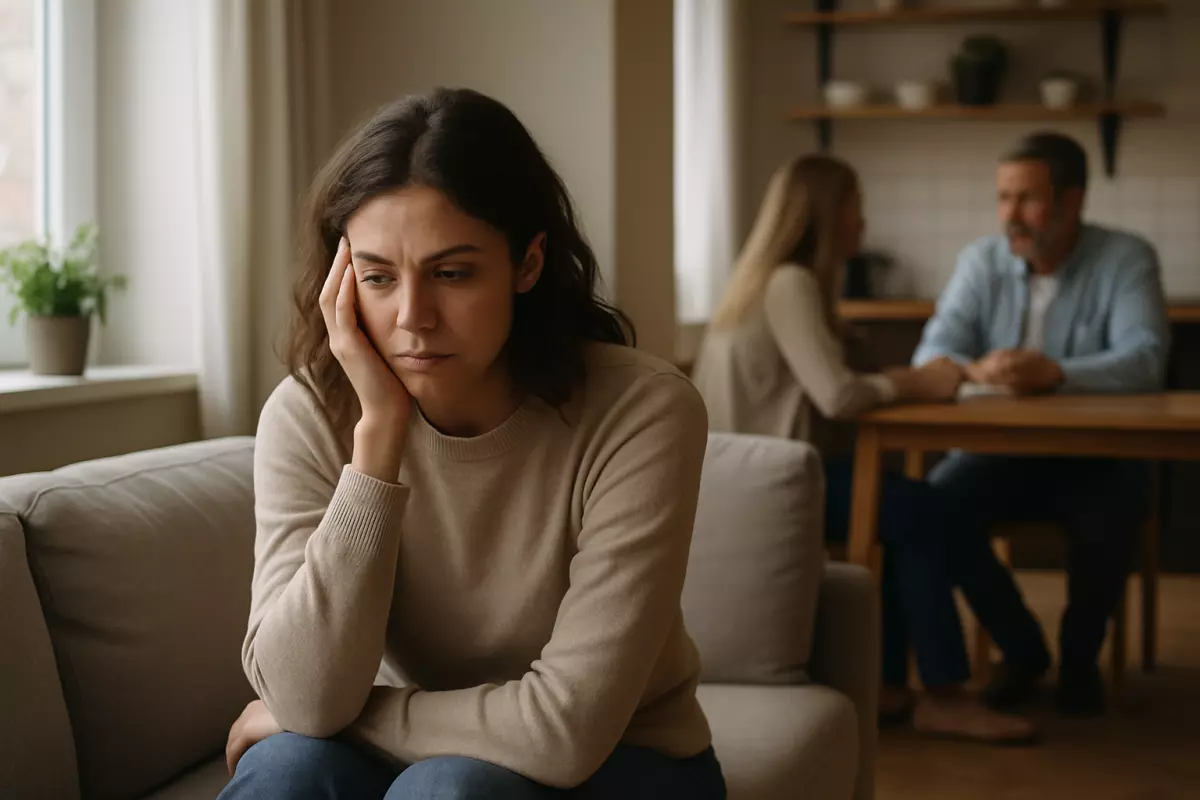
Pulling back from friends, coworkers, or family often changes mood in ways that feel subtle at first. Without regular check-ins, people tend to lose the small emotional “course corrections” that happen in everyday conversation, so feelings can drift toward irritability, flatness, or sadness without an obvious trigger.
These shifts don’t look the same for everyone. Some people feel calmer initially because there’s less social pressure, but over time the lack of connection can make stress harder to shake off and make negative thoughts feel louder.
- Loneliness and longing: Missing shared routines can show up as a dull ache, frequent daydreaming about past interactions, or a sense that something is “off” even on good days.
- Low mood and reduced pleasure: Activities may feel less rewarding when there’s no one to share them with, leading to less motivation and more time spent scrolling, napping, or procrastinating.
- Irritability and shorter patience: With fewer supportive outlets, minor hassles can feel bigger, and people may snap more easily or feel “touched out” by small demands.
- Anxiety that grows in the background: Less practice with everyday interactions can make future contact feel higher-stakes, increasing worry about being judged, saying the wrong thing, or not knowing what to talk about.
- Emotional numbness: Some people report feeling detached or “blank,” especially when isolation becomes routine and days start blending together.
- Increased self-criticism: With fewer reality checks from others, it’s common to assume the worst about how you’re doing socially, replay conversations, or interpret silence as rejection.
- Sense of threat or mistrust: When someone is alone for long stretches, they may become more sensitive to tone in messages, read neutral comments as negative, or feel defensive more quickly.
Day-to-day patterns can hint at these changes. People may withdraw further after a small awkward moment, delay replying to messages, or cancel plans because they feel “not up for it,” even if they wanted connection earlier. Sleep and appetite can shift too, which then feeds back into mood and makes socializing feel even harder.
| Common feeling | How it often shows up in daily life | What can keep it going |
|---|---|---|
| Loneliness | Checking the phone often, feeling left out, missing “small talk” more than expected | Waiting for others to initiate, assuming you’re bothering people |
| Irritability | Getting annoyed by noise, chores, or minor interruptions | Built-up stress with no outlet, lack of restorative downtime |
| Anxiety about contact | Overthinking texts, avoiding calls, feeling tense before meeting anyone | Less practice, fear of awkwardness, negative predictions |
| Numbness or emptiness | Going through the motions, losing interest in hobbies, feeling emotionally “muted” | Monotony, reduced stimulation, limited feedback from others |
| Sadness | Tearfulness, low energy, more pessimistic interpretations of events | Rumination, reduced activity, fewer moments of shared enjoyment |
It can also create a loop: the more disconnected someone feels, the more they may avoid situations that could improve mood, which then deepens the sense of isolation. Recognizing these emotional patterns early can make it easier to understand why social withdrawal sometimes leads to noticeable mood changes, even when nothing “big” has happened.
Avoidance and mood regulation
Pulling back from people often starts as a way to feel safer or calmer. Skipping a gathering, not replying to messages, or staying busy at home can reduce immediate stress, embarrassment, or conflict. In the short term, that relief can feel like proof that keeping distance “works,” which makes the pattern easier to repeat the next time discomfort shows up.
The catch is that mood is shaped by what happens after the moment passes. When someone avoids social situations, they also miss out on the small experiences that usually steady emotions: casual laughter, shared routines, supportive feedback, and the sense of being seen. Over time, the brain can begin to link social contact with threat and isolation with comfort, even if loneliness is growing in the background.
- Immediate relief: Anxiety, irritability, or self-consciousness drops quickly when the situation is removed.
- Less practice coping: Each skipped interaction reduces chances to learn that awkward moments can be handled.
- More time for rumination: Quiet space can turn into replaying conversations, imagining rejection, or focusing on perceived flaws.
- Lower positive input: Fewer pleasant events means fewer natural mood “boosters,” which can make days feel flatter.
- Strained connections: Friends or family may interpret silence as disinterest, which can create tension and guilt.
- Smaller comfort zone: As avoidance becomes routine, even minor social tasks can start to feel unusually draining.
A common cycle is: discomfort appears, withdrawal reduces it, and the mind learns to rely on that escape. Later, the consequences show up as a different kind of distress, such as loneliness, boredom, or a sense of falling behind socially. This is one reason mood changes caused by social withdrawal can feel confusing: the choice that helped in the moment can quietly set up a worse emotional baseline.
Not all time alone is harmful. Solitude can be restorative when it is intentional, time-limited, and balanced with some form of connection. The pattern becomes more risky when isolation is used mainly to manage fear or shame, and when it leads to fewer supportive interactions, less structure, and more negative self-talk.
Short-term relief vs long-term impact
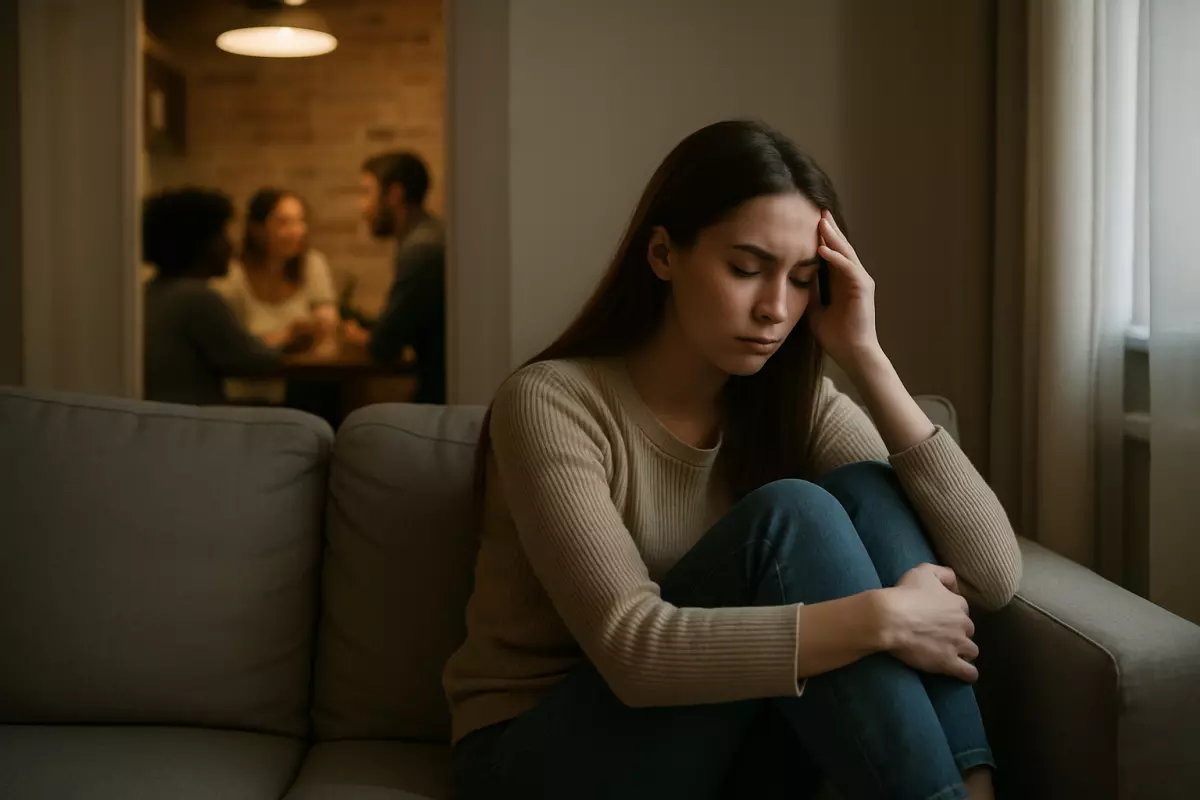
Pulling back from people can feel like an immediate reset: fewer conversations to manage, less chance of conflict, and more control over your time. In the moment, that distance may lower stress and give a sense of safety, especially after a draining day or a painful interaction.
The problem is that the same habit that calms you today can quietly change your mood over time. When social contact shrinks, there are fewer chances for reassurance, laughter, perspective, and the small “checks” that help you reality-test worries. This can make emotions feel heavier and more self-focused, even if nothing dramatic has changed in your life.
- Why it can feel better at first: less social pressure, fewer expectations to perform, and fewer opportunities for awkwardness or rejection.
- What can shift as days turn into weeks: more rumination, more loneliness, and a lower baseline of positive emotion because there are fewer enjoyable or meaningful moments with others.
- How avoidance can grow: the longer you stay away, the harder it can feel to re-enter conversations, reply to messages, or show up to events, which reinforces the urge to keep withdrawing.
- What happens to confidence: social skills can feel “rusty,” so normal interactions may seem more exhausting than they used to, even if your ability hasn’t truly disappeared.
- Common mood pattern: brief relief followed by irritability, numbness, or sadness when isolation removes both stressors and supports.
| Timeframe | Typical experience | Likely mood effect |
|---|---|---|
| Right after stepping back | Quiet, fewer demands, more control over your environment | Calmer, less overwhelmed, temporary relief |
| After a few days | Less feedback from others, fewer plans, more time alone with thoughts | Flatness or restlessness; worries can feel louder |
| After a few weeks | Reduced connection, missed routines, hesitation about reaching out | Loneliness, low mood, increased irritability or anxiety |
| Longer-term pattern | Avoidance becomes default; interactions feel high-effort | Lower resilience, less joy, stronger negative self-talk |
A useful way to think about mood changes caused by social withdrawal is that the short-term benefit often comes from escaping discomfort, while the long-term cost comes from losing support and positive stimulation. The goal is not constant socializing, but noticing when “taking space” stops being a choice and starts becoming the only coping strategy.
Loneliness and emotional feedback loss
Pulling back from other people often changes mood because everyday social contact quietly regulates how we feel. Small interactions like chatting, joking, or even making brief eye contact provide signals that you are understood and accepted. When those signals drop off, emotions can start to feel less steady, and it becomes harder to “recalibrate” after a stressful moment.
Another common shift is that feelings become more self-focused. Without regular conversations, there are fewer chances to compare your interpretation of events with someone else’s. That can make worries feel bigger, neutral situations feel more negative, and minor setbacks feel more personal than they would after a normal day of social contact.
- Less emotional mirroring: In groups, people naturally match facial expressions and tone. Without that, it’s easier to feel flat, disconnected, or “out of sync.”
- Fewer reality checks: Friends and coworkers often correct misunderstandings in the moment. With less feedback, assumptions can go unchallenged and mood can drift toward irritability or sadness.
- Reduced positive reinforcement: Compliments, laughter, and simple acknowledgment are small rewards. When they disappear, motivation and confidence can dip.
- More rumination time: Quiet time can be restorative, but long stretches without interaction often leave more room for replaying problems and anticipating rejection.
- Higher sensitivity to small cues: After a period of isolation, a short reply or delayed message may feel like a stronger sign of disapproval than it actually is.
| What tends to fade with less contact | How it can show up in mood and behavior |
|---|---|
| Quick reassurance (someone noticing you seem off) | Feeling unsupported, more tearful or tense, “no one would care anyway” thoughts |
| Shared humor and light conversation | Lower day-to-day enjoyment, more emotional heaviness, less patience |
| Normalizing feedback (“that would stress anyone out”) | Increased self-criticism, shame, or feeling like you are overreacting |
| Nonverbal warmth (smiles, friendly tone, relaxed presence) | Feeling emotionally “numb,” detached, or unusually suspicious of others’ intentions |
These changes often create a loop: feeling disconnected makes reaching out feel harder, and the longer the gap lasts, the less natural social cues can feel. A typical pattern is avoiding plans, then noticing mood drops, then interpreting that drop as proof that socializing won’t help. Recognizing the loss of everyday emotional feedback can make the pattern easier to spot and interrupt.
Why withdrawal becomes a mood cycle
Pulling back from people often starts as a way to feel safer or less overwhelmed, but it can set up a self-reinforcing loop. Less contact means fewer chances to feel understood, supported, or simply distracted from worries. Over time, the brain can read the lack of connection as “something is wrong,” which nudges mood downward and makes reaching out feel even harder.
A big reason this pattern sticks is that avoidance brings short-term relief. Skipping a call or canceling plans can immediately reduce anxiety, embarrassment, or fatigue. That relief teaches the mind that retreating “works,” even if the longer-term effect is more loneliness, rumination, and low energy. The result is a cycle where isolation becomes the default coping tool.
- Fewer positive cues: Everyday social moments provide small mood boosts: a laugh, a shared complaint, a friendly check-in. When those disappear, days can feel flatter and more effortful.
- More room for rumination: Alone time can turn into repetitive thinking about mistakes, conflicts, or worst-case scenarios, which tends to intensify sadness and irritability.
- Skills and confidence get rusty: The longer someone stays out of social situations, the more “out of practice” they can feel. That can raise self-consciousness and make simple interactions seem high-stakes.
- Misreading silence: When contact drops, it is easy to assume others do not care or are judging, even when they are simply busy or unsure how to help.
- Needs go unmet: Practical help, emotional reassurance, and reality checks are harder to access without regular connection, which can deepen stress and hopelessness.
Daily routines also shift in ways that affect emotions. Social plans often anchor sleep, meals, movement, and time outdoors. When those anchors fade, people may sleep at odd hours, snack instead of eating meals, and move less, all of which can make mood swings more likely and recovery slower.
| What happens in the moment | How it can affect mood later |
|---|---|
| Canceling plans reduces immediate stress | Reinforces avoidance and makes future invitations feel harder |
| Spending more time alone feels “easier” | Less laughter, warmth, and perspective; days can feel heavier |
| Not replying avoids awkwardness | Guilt and worry build, increasing irritability and self-criticism |
| Staying home prevents conflict or judgment | Confidence drops; social situations start to seem riskier than they are |
As the loop continues, mood changes can start to look like personality traits: “I’m just not social,” “I’m always tired,” or “People drain me.” In reality, the emotional dip may be partly driven by the reduced contact itself. Breaking the pattern usually starts with small, manageable interactions that rebuild comfort and restore the steady mood support that everyday connection provides.
Recognizing early emotional signals
Subtle shifts often show up in day-to-day reactions before someone can clearly explain what feels “off.” When social contact drops, mood can change in ways that look like tiredness, irritability, or emotional flatness. Paying attention to small patterns across a week or two is usually more useful than focusing on a single bad day.
Early cues tend to fall into a few categories: changes in emotional tone, changes in thinking, and changes in behavior. The key is noticing what is new or increasing, especially when it lines up with pulling back from friends, family, or usual routines.
- Shorter emotional fuse: getting annoyed faster, snapping at small inconveniences, or feeling “on edge” without a clear trigger.
- Lower enjoyment: hobbies feel like chores, jokes land flat, or there is less interest in things that normally feel comforting.
- More self-criticism: replaying conversations, assuming others are judging you, or interpreting neutral messages as negative.
- Increased sensitivity: feeling overwhelmed by noise, crowds, or even routine requests, leading to more avoidance.
- Emotional numbness: not feeling much of anything, even in situations that would usually bring excitement or concern.
- Rising worry or dread: anticipating social situations as exhausting, awkward, or “not worth it,” even if they used to be manageable.
- Sleep and energy shifts: sleeping more or less than usual, struggling to get started in the morning, or feeling drained after minimal interaction.
It also helps to watch for “maintenance behaviors” that quietly reinforce isolation. These are not dramatic events; they are small choices that reduce contact and can intensify mood swings over time.
| Everyday pattern | How it can affect mood | What it can look like in real life |
|---|---|---|
| Delaying replies | Builds guilt and tension, making outreach feel harder later | Reading messages but waiting days to respond, then feeling ashamed to answer |
| Canceling plans last-minute | Creates relief followed by loneliness or self-blame | Feeling calmer after canceling, then spending the evening ruminating |
| Sticking to “safe” routines only | Reduces positive experiences that stabilize emotions | Only going to work and home, avoiding even brief social stops |
| Replacing connection with scrolling | Can increase comparison, irritability, and restlessness | Spending hours online while feeling more disconnected afterward |
Context matters. A temporary dip in socializing during a busy week is common, but it becomes more concerning when withdrawal is paired with persistent mood changes, increasing avoidance, or a sense of being “stuck.” Noticing these early shifts can make it easier to respond before isolation becomes the default.