Mood changes related to decision fatigue

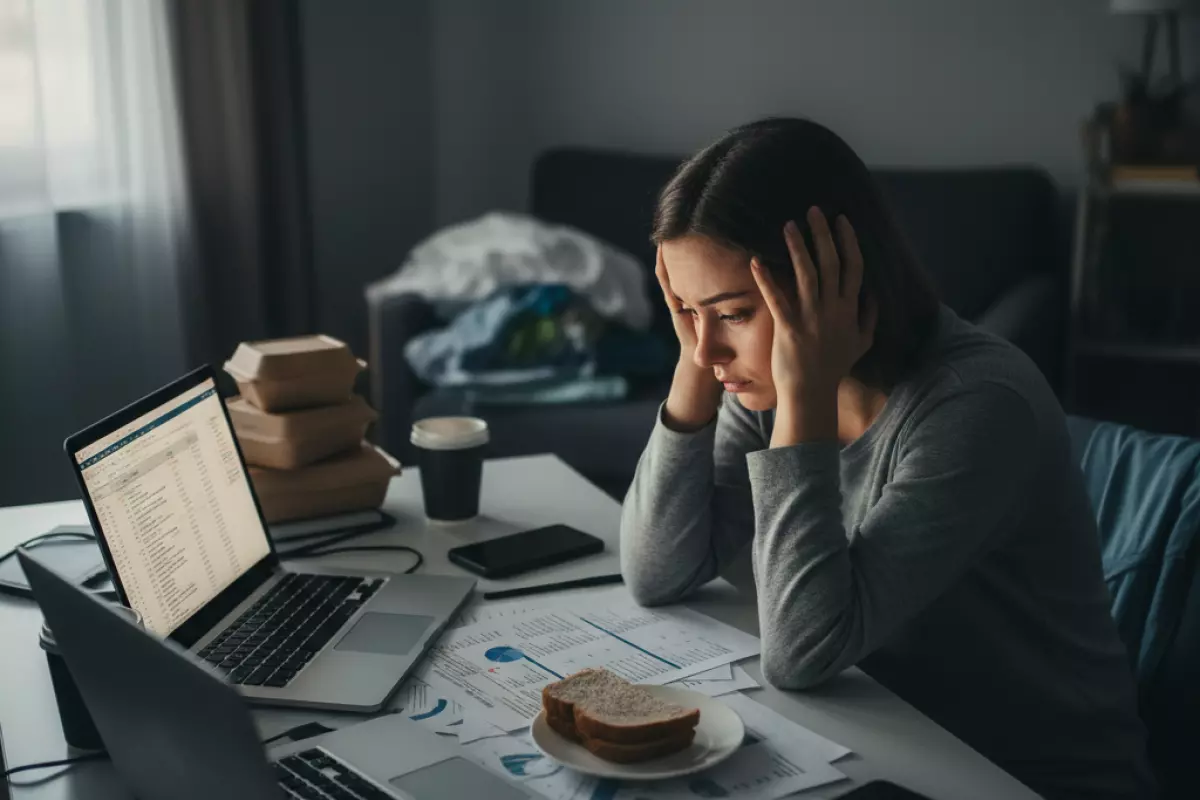 Covers what decision fatigue is, how small daily choices build up and drain self-control and emotional stability, and how low blood sugar, poor sleep, and stress worsen mood into irritability, apathy, or stress.
- What decision fatigue is and how it builds up
- Why choices drain self-control and emotional stability
- Typical mood effects: irritability, apathy, stress
- How small daily decisions create a hidden burden
- Role of low blood sugar, sleep loss, and stress
- How to reduce decisions with routines and defaults
- Best time of day for important decisions
- How to recover mood after decision-heavy days
After a day packed with choices, your mood can shift as mental energy runs low and willpower thins. When your brain has been weighing options nonstop, even small decisions start to feel heavy. This decision overload can leave you irritable, flat, or oddly emotional, even when nothing big is wrong. A short break, a snack, or simplifying the next few tasks can help you reset and feel more like yourself.
What decision fatigue is and how it builds up
Decision fatigue is the mental wear-and-tear that shows up after making lots of choices, even small ones. It is less about intelligence and more about bandwidth: each judgment call uses attention, self-control, and working memory. As those resources get stretched, it becomes harder to weigh options calmly, notice details, or stick with a plan.
This buildup often happens quietly during normal days. A morning that starts with choosing what to wear, answering messages, deciding what to eat, and prioritizing tasks can drain the “decision tank” before the most important choices even arrive. By later in the day, the brain tends to look for shortcuts, which can shift mood and make reactions feel sharper or more emotional than usual.
- Many small choices add up. Picking a route, selecting a meeting time, or deciding what to cook can seem minor, but repeated switching between options taxes attention.
- Uncertainty increases the load. Decisions with unclear outcomes (for example, “Should I say yes to this request?”) require more mental simulation and can feel stressful.
- Constant interruptions force re-deciding. Notifications, quick questions, and context switching reset focus and make the same priorities get revisited multiple times.
- Self-control counts as a decision cost. Resisting snacks, staying polite, or pushing through boredom uses the same limited resources involved in choosing.
- Time pressure pushes faster, rougher judgments. When there is not enough time, people rely more on habits, assumptions, or whatever feels easiest in the moment.
As mental energy drops, typical behavior patterns shift in predictable ways. Some people become more impulsive and pick the quickest option to end the discomfort of choosing. Others become indecisive, delaying choices because every option feels heavy. Both patterns can feed mood changes related to decision fatigue, such as irritability, low patience, or a sense of being overwhelmed.
| What builds it up | How it often shows up |
|---|---|
| Back-to-back decisions with no breaks | Shorter temper, reduced tolerance for minor problems |
| High-stakes or emotionally loaded choices | Worry, rumination, feeling “on edge” |
| Multitasking and frequent context switching | Foggy thinking, forgetfulness, more mistakes |
| Too many options (menus, apps, open-ended tasks) | Overthinking, second-guessing, decision avoidance |
| Low sleep, hunger, or general stress | Lower emotional control, more negative interpretations |
Over time, this pattern can create a loop: depleted decision capacity leads to choices that do not match long-term goals, which then creates frustration or guilt, which further drains mental resources. Recognizing that the strain comes from accumulated choices—not a personal flaw—helps explain why mood can shift so noticeably after a day packed with decisions.
Why choices drain self-control and emotional stability

Every decision uses mental resources: attention, working memory, and the ability to hold back impulses long enough to compare options. As the day fills with choices, the brain has less “bandwidth” for careful thinking, so reactions become more automatic. That shift often shows up as mood changes: irritability, impatience, or feeling oddly flat even when nothing big has happened.
This happens because choosing is not just picking an option; it is managing uncertainty and trade-offs. Even small decisions (what to eat, which email to answer first, whether to speak up in a meeting) require you to inhibit one impulse while considering another. Over time, that repeated self-control work can make emotions feel harder to regulate, especially when stress, hunger, or poor sleep are also in the mix.
- Self-control gets “spent” on micro-decisions. Each time you resist a distraction, delay a snack, or stay polite in a frustrating conversation, you are using the same control system that supports thoughtful decision-making. Later, you may have less patience for minor annoyances.
- Trade-offs create low-grade stress. Choosing means giving something up. When the stakes are unclear, the mind keeps checking “what if,” which can raise tension and make calm problem-solving harder.
- Too many options increase mental load. More choices mean more comparisons, more rules to remember, and more chances to second-guess. That extra processing can leave you feeling mentally cluttered and emotionally short-fused.
- Decision loops fuel rumination. After many choices, people are more likely to replay decisions, worry about mistakes, or seek reassurance. Rumination can amplify anxiety and reduce emotional steadiness.
- Willpower and emotion regulation share the same “brakes.” The ability to pause before reacting supports both good judgment and mood control. When those brakes are tired, snapping, withdrawing, or overreacting becomes more likely.
- Reward-seeking becomes more tempting. When mental energy is low, quick comfort (scrolling, snacking, impulse spending) can feel harder to resist. If guilt or frustration follows, mood can swing further.
| What’s happening during the day | Common mood or behavior shift | Why it tends to happen |
|---|---|---|
| Many small choices (messages, errands, scheduling) | Impatience; shorter temper | Attention is divided, so self-control is less available for polite, measured responses |
| High-stakes decisions (money, conflict, performance) | Anxiety; tension; feeling “on edge” | Uncertainty and perceived consequences keep the stress system activated |
| Constant interruptions and switching tasks | Overwhelm; mental fog | Working memory gets overloaded, making it harder to think clearly and stay emotionally even |
| Late-day choices after poor sleep or skipped meals | Low motivation; emotional numbness or irritability | Reduced energy makes effortful control feel costly, so the brain defaults to simpler, reactive patterns |
| Repeated self-restraint (staying focused, being patient, holding boundaries) | More impulsive reactions; less persistence | Inhibitory control is tired, so urges and emotions break through more easily |
In everyday life, decision fatigue often looks like “small things feel big.” A minor inconvenience can trigger a disproportionate reaction, or a normal request can feel like pressure. The person may not be consciously upset about the decision itself; the strain comes from the accumulation of choosing, evaluating, and self-managing across hours.
Because mood and judgment are tightly linked, a tired decision system can also change how situations are interpreted. Neutral comments may sound critical, routine problems may feel unsolvable, and the easiest option may seem like the only option. These patterns are typical when mental resources are depleted, and they help explain why emotional stability can fade after a long stretch of choices.
Typical mood effects: irritability, apathy, stress
When your brain has been making choices nonstop, emotional control often gets “thinner.” Small obstacles feel bigger, patience runs out faster, and it can become harder to care about outcomes that usually matter. These shifts aren’t character flaws so much as common short-term reactions to depleted mental energy.
- Irritability: People may sound sharper than intended, get annoyed by minor delays, or interpret neutral comments as criticism. You might notice more snapping in conversations, less tolerance for noise or interruptions, and a stronger urge to “just be done” with whatever is happening.
- Apathy: Motivation can drop, not because you don’t value the task, but because choosing and prioritizing feels like extra work. This can show up as procrastination, defaulting to the easiest option, skipping non-urgent chores, or feeling emotionally flat about decisions you’d normally engage with.
- Stress: The day can start to feel like a series of demands rather than manageable steps. Common signs include a sense of pressure, racing thoughts, physical tension, and a tendency to catastrophize (“If I pick wrong, everything falls apart”), especially when more decisions are still waiting.
These patterns often feed each other. Stress makes choices feel riskier, which increases mental strain; that strain can lead to apathy (“I can’t deal with this”), and irritability can rise when you’re trying to push through anyway. In everyday life, it may look like withdrawing from messages, choosing comfort habits automatically, or having shorter interactions with family and coworkers.
One clue that decision fatigue is driving the mood shift is the timing: it tends to build after long stretches of planning, comparing options, or handling back-to-back requests. Another clue is how quickly it can improve after a break, food, sleep, or simply reducing the number of choices that need active attention.
How small daily decisions create a hidden burden
Minor choices add up because each one uses attention, self-control, and working memory. Picking what to wear, deciding when to answer messages, choosing what to eat, or selecting which task to start can feel trivial in isolation. Over the day, that steady stream of micro-decisions can quietly drain mental energy and set the stage for mood changes related to decision fatigue.
This load is often “hidden” because many decisions are automatic until something makes them harder: time pressure, too many options, interruptions, or worry about getting it wrong. When the brain keeps switching between options and evaluating trade-offs, it spends more effort on control processes, leaving less capacity for patience, flexibility, and emotional balance.
- Option overload: More choices (menus, streaming, shopping, open browser tabs) increase comparison and second-guessing, which can lead to irritability or a flat, unmotivated mood.
- Constant context switching: Moving between email, chats, and tasks creates repeated “restart costs,” making small setbacks feel bigger than they are.
- Low-stakes decisions with high frequency: Even simple yes/no calls (reply now or later, tidy now or later) become tiring when repeated dozens of times.
- Unclear priorities: When it’s not obvious what matters most, the mind keeps re-evaluating, which can increase tension and mental noise.
- Emotional decisions: Choices tied to social approval, conflict avoidance, or guilt require extra self-regulation, which can amplify mood swings later.
- Decision “debt”: Postponed choices don’t disappear; they linger as open loops, adding background stress and making concentration harder.
| Everyday decision pattern | How it can affect mood later |
|---|---|
| Starting the day with many choices (outfit, breakfast, route, schedule) | Lower tolerance for frustration by midday; feeling “already behind” |
| Keeping too many options open (multiple plans, tabs, unfinished tasks) | Restlessness and difficulty settling into one activity |
| Making repeated quick judgments (notifications, requests, small purchases) | More impulsive reactions; sharper tone; reduced patience |
| High-stakes choices after a long day (money, parenting, relationship talks) | More pessimistic thinking and stronger emotional responses |
As decision fatigue builds, behavior often shifts in predictable ways: people simplify by avoiding choices, defaulting to the easiest option, or becoming more rigid about routines. These shortcuts can be helpful, but they can also create regret or conflict, which further affects mood.
Understanding this pattern reframes many “out of nowhere” mood dips as a normal response to an overloaded day of choosing. Reducing unnecessary decisions, batching similar choices, and relying on defaults can free up mental bandwidth for situations that genuinely deserve careful thought.
Role of low blood sugar, sleep loss, and stress

When the body is running low on fuel, short on rest, or stuck in “high alert,” the brain tends to conserve effort. That shows up as quicker irritation, less patience, and a stronger pull toward the easiest option, even if it is not the best one. These states don’t create new personality traits; they often amplify whatever mood and coping style is already there.
- Low blood sugar (or long gaps between meals) can make decisions feel harder than they should. People often become more reactive, more sensitive to small annoyances, and more likely to choose immediate relief (snacking, scrolling, impulsive purchases) over longer-term goals. Typical pattern: fine early on, then a noticeable drop in tolerance and follow-through as time since the last meal stretches.
- Sleep loss reduces mental flexibility and emotional “braking.” With less rest, it’s harder to weigh trade-offs, hold back a sharp comment, or switch strategies when something isn’t working. Common pattern: more black-and-white thinking, more pessimistic interpretations, and more reliance on habits and shortcuts because careful thinking feels slow and effortful.
- Stress narrows attention to whatever feels urgent or threatening. Under pressure, the brain prioritizes speed and safety over nuance, which can lead to snap judgments, avoidance, or overcontrol. Everyday pattern: people may become more defensive, more controlling about small details, or more likely to postpone decisions that require uncertainty and reflection.
These factors also stack. For example, a stressful day can disrupt sleep, and poor sleep can increase cravings and make hunger swings more noticeable. The result is a shorter fuse and more “automatic” choices late in the day, especially after many small decisions have already used up attention.
| State | How it tends to affect mood | What decision patterns often look like |
|---|---|---|
| Low blood sugar | Edginess, impatience, feeling overwhelmed by minor hassles | More impulsive choices, stronger preference for quick rewards, less persistence |
| Sleep loss | Lower frustration tolerance, more negative interpretation of events | More rigid thinking, more errors, defaulting to habits instead of evaluating options |
| Stress | Feeling tense, on guard, easily startled or annoyed | Rushing, avoidance, or “tunnel vision” decisions focused on immediate relief |
| Combination of all three | Stronger mood swings and faster escalation from calm to irritated | Greater reliance on shortcuts, more regret afterward, difficulty making balanced trade-offs |
In practical terms, mood shifts tied to decision fatigue are often less about the specific choice in front of someone and more about their internal resources at that moment. When energy and recovery are low and pressure is high, even routine decisions can feel personal, urgent, or unfair, which makes calm, consistent behavior harder to maintain.
How to reduce decisions with routines and defaults
Fewer small choices during the day can mean fewer emotional swings later. When the brain has to keep selecting, comparing, and second-guessing, it burns mental energy that you also need for patience, self-control, and steady mood. Routines and defaults work by removing “micro-decisions” (what to wear, what to eat, when to start) so attention is saved for situations that actually deserve it.
A helpful way to think about it is: decisions are a limited daily resource. The goal is not to avoid thinking, but to reduce repeated, low-value choices that tend to pile up—especially when you’re tired, hungry, or stressed.
- Turn recurring tasks into a fixed sequence. A simple morning or after-work script (wash up, set clothes out, pack bag, quick tidy) prevents the “what should I do first?” loop that often triggers irritability.
- Use “if-then” rules for predictable situations. Examples: “If it’s a workday, lunch is the same base meal,” or “If I feel indecisive at 9 p.m., I start the wind-down routine.” These rules reduce negotiation with yourself when willpower is low.
- Pre-commit to a small menu of options. Instead of infinite choices, keep 3 breakfasts, 3 lunches, and 3 dinners you rotate. Variety still exists, but the selection process is shorter and less draining.
- Batch decisions at one time. Decide outfits for the next three days, plan two dinners, or write tomorrow’s top three tasks the night before. This shifts choices to a moment when you have more energy.
- Set defaults for common “yes/no” questions. For example: default to “no” for new commitments on weekdays, or default to “yes” for a short walk after lunch. Defaults reduce the emotional cost of deciding in the moment.
- Reduce choice overload in your environment. Keep fewer snacks visible, limit app notifications, and store frequently used items in one place. When options are less noisy, decisions feel lighter.
- Automate or standardize where possible. Auto-pay for bills, a repeating grocery list, or a standard calendar block for errands can prevent last-minute scrambling that often worsens mood.
| Common decision drain | Routine or default that reduces it | Why it helps mood stability |
|---|---|---|
| Choosing what to eat when hungry | Rotate a short list of meals; keep a “default lunch” | Less impulsive picking and less regret, which can show up as irritability |
| Starting work or chores | Same first step every time (open planner, set timer, clear one surface) | Reduces friction and the stressed feeling of being stuck |
| Deciding what to do after work | Set a weekday default (30 minutes decompress, then one small task) | Prevents drifting into indecision that can turn into frustration |
| Handling requests and invitations | Default rule: “I check my calendar and reply later” | Avoids pressured decisions that lead to resentment or overwhelm |
| Scrolling and app hopping | Default limits (no social apps before breakfast; notifications off) | Fewer attention switches, which supports calmer emotional regulation |
These strategies work best when they are simple and realistic. A routine that is too strict can become another source of decision fatigue because it requires constant maintenance. The most effective defaults are the ones you can follow even on low-energy days, so your mood is less likely to swing just because the day demanded too many choices.
Best time of day for important decisions
Make high-stakes choices when your mental energy is still fresh. For many people, that tends to be earlier in the day, after sleep has reduced emotional “carryover” and before small hassles, constant messages, and repeated trade-offs start to drain attention. As decision fatigue builds, mood often shifts toward irritability, impatience, or “whatever, just pick something,” which can quietly change what feels appealing or acceptable.
What matters most is not the clock time but how many decisions you’ve already made and how steady your mood feels. If you notice you’re more reactive, more pessimistic, or unusually risk-seeking late in the day, that’s a sign your brain is leaning on shortcuts. Those shortcuts can be useful for routine choices, but they’re a shaky foundation for decisions that affect money, relationships, health, or long-term plans.
- Do the “big three” early: Schedule your most important decision-making tasks for the first part of your workday or morning at home, before meetings and errands multiply.
- Match task type to energy: Use high-energy periods for weighing options and consequences; save low-energy periods for execution (sending the email, booking the appointment, filing paperwork).
- Protect the decision window: Batch small choices (shopping, scheduling, minor approvals) into a single block so they don’t fragment your attention right before a major call.
- Use a reset when you can’t choose early: A meal, short walk, hydration, or a brief quiet break can reduce the “snappy” mood that comes with depletion and make your preferences feel more stable.
- Delay when emotions are running hot: If you’re angry, anxious, or unusually down, postpone non-urgent choices. Decision fatigue can amplify those feelings and make outcomes seem more extreme than they are.
Some people peak later (for example, night owls), so the practical rule is: pick the time when you’re most even-tempered and least distracted, then guard it. If you must decide after a long day, narrow the options in advance, write down your criteria, and revisit the final choice after rest. That approach reduces the chance that a tired mood, rather than your real priorities, ends up steering the outcome.
How to recover mood after decision-heavy days
After a day packed with choices, mood often dips because mental effort has been running high for hours. People commonly notice they become more irritable, less patient, or oddly flat, even if nothing “bad” happened. The goal is to reduce the number of new decisions, calm the body’s stress response, and rebuild a sense of control with small, low-effort actions.
- Stop the decision stream on purpose. Create a clear “end of decisions” point: change into comfortable clothes, silence non-urgent notifications, and postpone optional choices (shopping, big conversations, planning) until the next day.
- Eat and hydrate before you troubleshoot your feelings. Low blood sugar and dehydration can amplify decision fatigue mood swings. A simple snack with protein and carbs plus water is often enough to take the edge off.
- Do a short reset that uses your body, not more thinking. A 10–20 minute walk, a shower, light stretching, or slow breathing can shift the nervous system out of “task mode.” These work best when they are routine rather than another decision to debate.
- Use a “minimum viable evening” plan. When judgment feels shaky, reduce choices to a preset: an easy meal, a familiar show or book, and a consistent bedtime routine. Predictability helps mood stabilize because there is less cognitive load.
- Make tomorrow easier with one small preparation. Lay out clothes, pack a bag, or write a short to-do list with the first step already chosen. This turns scattered thoughts into a concrete plan and reduces the next day’s early decision burden.
- Delay emotionally charged decisions. If everything feels urgent, it usually is not. Postpone conflict discussions, resignations, and major purchases until after sleep, when self-control and perspective are more available.
- Choose connection that feels low-effort. Decision-heavy days can make socializing feel like work. A brief check-in with a trusted person or quiet time with family can lift mood without requiring intense conversation or problem-solving.
It also helps to recognize common patterns: late-day pessimism, “nothing sounds good,” and snapping at small inconveniences often reflect depleted mental resources rather than a true change in values or relationships. Treat the evening as recovery time, not evaluation time.
| What you notice | What it often means | A practical response |
|---|---|---|
| Everything feels annoying or unfair | Lower frustration tolerance from sustained self-control | Take a short break, eat something, and avoid sensitive conversations |
| Indecision about simple things (food, chores, texts) | Choice overload and reduced mental bandwidth | Use a preset option (default meal, fixed routine) and postpone extras |
| Impulsive scrolling, snacking, or spending | Seeking quick relief when willpower is low | Remove easy triggers, set a timer, and switch to a low-effort reset activity |
| Feeling “flat” or unmotivated | Mental fatigue that blunts reward and interest | Do one small, concrete task, then rest without adding new goals |
Over time, the most reliable mood recovery comes from building defaults: a standard dinner plan, a consistent wind-down routine, and a short list of “no decisions after 8 p.m.” rules. These reduce daily choice pressure, making emotional swings from decision fatigue less frequent and easier to manage.