When Emotional Numbness Makes Time Feel Blurry or Unreal

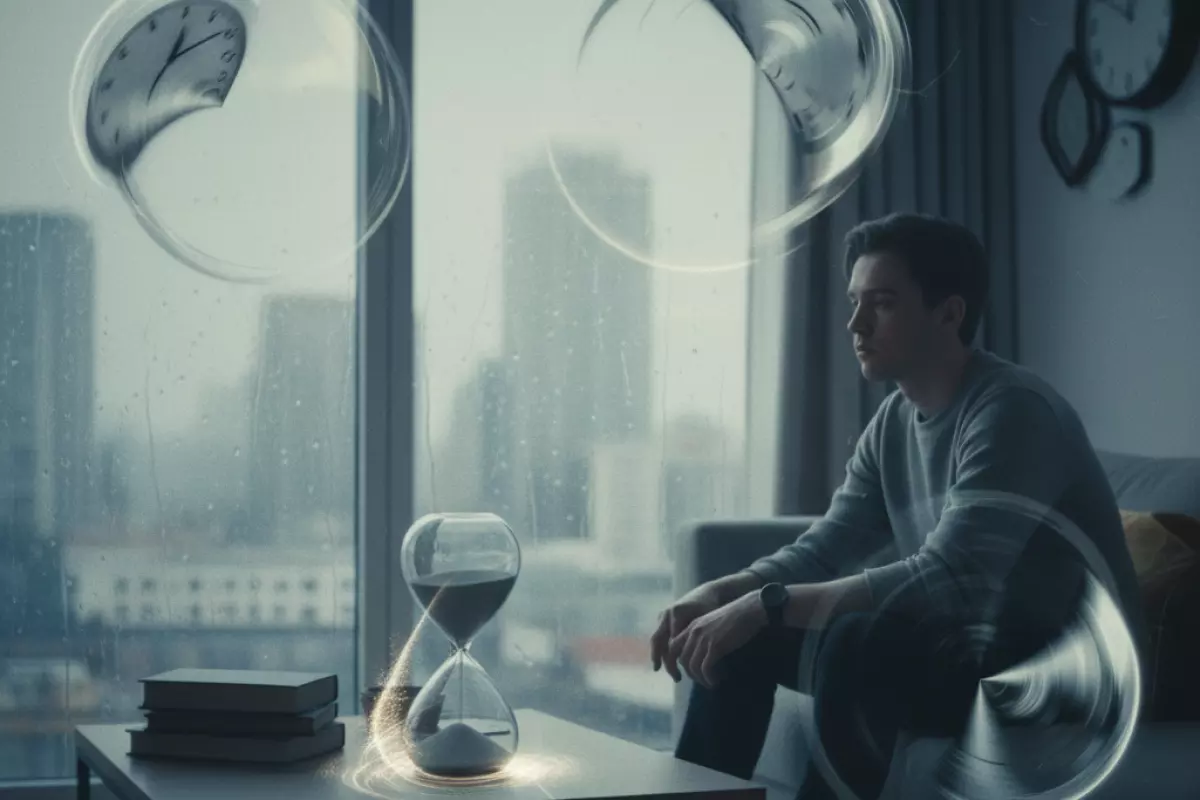 The article explains how emotions anchor time, how numbness flattens daily life so days blend without markers, and why this can make you feel cut off from past and future with vague memories. It also shares sensory grounding and emotional reference points to restore a felt sense of time passing.
- Why emotions anchor our sense of time
- How numbness flattens daily experiences
- Days blending together without markers
- Feeling disconnected from past and future
- Why memories may feel vague or distant
- Grounding time through sensory awareness
- Creating emotional reference points
- Restoring a felt sense of passing time
When feelings go flat, days can blur together and time can feel hazy or unreal. You may find yourself moving through routines on autopilot, surprised that a week has passed, or struggling to remember what you did yesterday. This is not laziness or a character flaw; it can be the mind’s way of lowering the volume when life feels overwhelming.
Why emotions anchor our sense of time
Feelings act like mental timestamps. When something matters to you, your brain tags it as important, stores more detail, and creates clearer “before and after” boundaries. That extra detail makes a day feel fuller in hindsight, and it helps you place events in order without having to think too hard about it.
When emotions are muted, fewer moments stand out. The day can still be busy, but it may be harder to tell what happened when, or to separate one hour from the next. This is why emotional numbness often comes with reports of time feeling smeared together, oddly fast, or unreal.
- Emotion highlights what to remember. Strong feelings (even mild interest or enjoyment) increase attention. More attention usually means more sensory detail is encoded, which later makes the experience feel longer and more “real.”
- Feelings create natural chapters. Shifts like excitement to relief, tension to calm, or curiosity to satisfaction form clear transitions. Those transitions work like chapter breaks, making it easier to track the flow of a day.
- Body signals help you locate time. Changes in heart rate, muscle tension, or energy level often accompany emotion. These physical cues provide internal markers that help you notice “something changed,” supporting a stable sense of sequence.
- Meaning adds structure. When an event feels personally relevant, it’s easier to connect it to goals, values, or relationships. That meaning becomes a reference point for remembering what came first and what followed.
- Routine without feeling becomes repetitive. If tasks are done on autopilot and nothing feels distinct, the brain may compress similar moments together. Looking back, the week can seem like a single blur because few unique markers were saved.
| What’s happening internally | Common day-to-day effect on time | How it tends to look in memory later |
|---|---|---|
| High interest, excitement, or urgency boosts attention | Time can feel slower in the moment, especially during intense focus | More vivid recall; the day feels “full” and easier to place on a timeline |
| Moderate, steady emotion (calm engagement) | Time feels steady and trackable | Clear sequence of events with recognizable transitions |
| Emotional flattening reduces salience of events | Hours blend together; time may feel oddly fast or unreal | Fewer distinct snapshots; difficulty recalling order or duration |
| Stress or anxiety narrows focus to threat cues | Waiting and uncertainty can feel long; clocks may feel “too slow” | Specific stressful moments stand out, while surrounding time is fuzzy |
In everyday terms, a stable sense of time often depends on having enough emotional “contrast” to separate moments. When that contrast drops, the brain still records what happened, but it may store fewer anchors that help you judge duration and reality. The result is a common pattern: days feel indistinct while living them, and then seem hard to reconstruct afterward.
How numbness flattens daily experiences

Emotional shutdown often makes ordinary moments feel oddly uniform. Instead of a day having clear “highs” and “lows,” everything can land in the same muted middle. People may still complete tasks, talk to others, and keep routines going, but the internal sense of meaning, reward, or connection feels reduced.
This flattening effect can also change how time is experienced. When fewer moments feel emotionally distinct, the brain has fewer “markers” to separate one part of the day from another. Days can blur together, and events that happened recently may feel far away or unreal because they didn’t register with much feeling at the time.
- Conversations feel scripted. People may respond politely and appropriately, yet feel like they are “performing” rather than participating. Small talk can seem especially empty, and even close relationships may feel distant.
- Decisions become mechanical. Choices get based on practicality alone because preference and enthusiasm are hard to access. This can look like indecisiveness, but it is often a lack of emotional signal rather than a lack of intelligence or effort.
- Activities lose their payoff. Hobbies, food, music, or entertainment may not bring the usual satisfaction. Someone might keep doing them out of habit while feeling little enjoyment or disappointment either way.
- Motivation runs on pressure. Without a sense of reward, action is driven by deadlines, fear of consequences, or the need to “keep up.” Rest can feel undeserved, and accomplishment may not register as relief.
- Body cues get quieter or confusing. Hunger, fatigue, and stress may be noticed late, or show up as vague discomfort. People might overwork, forget to eat, or suddenly crash because early signals didn’t stand out.
- Memory feels patchy. The day can be remembered as a list of tasks rather than a sequence of lived moments. Later, it may be hard to recall what happened when, even if nothing is “wrong” with basic memory.
| Everyday situation | What it can feel like internally | Common outward pattern |
|---|---|---|
| Morning routine (shower, coffee, commute) | Autopilot; little sense of “starting the day” | Moves efficiently but feels detached or foggy |
| Work or school tasks | Neutral urgency; effort without satisfaction | Checks boxes, procrastinates until pressure hits, or overworks to compensate |
| Social plans | Low anticipation; connection feels muted | Shows up but stays quiet, mirrors others, or leaves early to recharge |
| Good news or achievements | “I know this matters” without the emotional lift | Downplays accomplishments, avoids celebrating, quickly moves to the next task |
| Conflict or stressful events | Blunted alarm; delayed reaction later | Seems calm in the moment, then experiences irritability, shutdown, or exhaustion afterward |
| Evening downtime | Rest feels flat; pleasure is hard to access | Scrolls, watches shows, or snacks without feeling refreshed |
Because muted emotion reduces contrast, the day can feel like one long stretch rather than a series of distinct experiences. Over time, this can create a sense that life is passing without clear texture, even when the schedule is full and responsibilities are being met.
Days blending together without markers
When emotional numbness is present, time can start to feel like one long stretch instead of a series of distinct days. Without strong feelings to “stamp” experiences as important, the brain may file memories in a flatter, less detailed way. The result is often a sense that yesterday, last week, and last month are hard to separate.
This can show up in ordinary routines: getting through work, chores, or school tasks on autopilot, then realizing the day is over without a clear memory of what happened when. People may still be functioning, but the internal sense of sequence and meaning feels muted, which can make time feel blurry or unreal.
- Fewer emotional highlights: Pleasant and unpleasant moments may register as “fine” or “whatever,” so there are fewer natural anchors that usually divide time into chapters.
- Repetitive routines take over: Similar mornings, commutes, meals, and evenings can merge in memory, especially when nothing stands out as different.
- Reduced attention to context: When attention is narrowed to “just get through it,” details like weather, conversations, or small decisions may not be encoded well.
- Memory feels thin rather than absent: Events may be remembered as facts (went to work, ate dinner) but without vividness, making it hard to place them on a timeline.
- Time checks become surprising: Looking at the clock or calendar can feel jarring, as if hours or days “skipped” even though activities occurred.
Common “missing markers” are the small signals that usually help people track time: looking forward to something, feeling proud after finishing a task, laughing with someone, or even feeling irritated and then relieved. When those reactions are dampened, the day has fewer edges, so it’s easier for multiple days to run together.
| What it can look like day to day | Why it can make time feel indistinct | A simple marker that can help |
|---|---|---|
| Doing tasks automatically (showering, commuting, answering messages) with little awareness | Low attention reduces the details that normally separate one day from the next | Pause for 30 seconds at the start and end of a routine and name what you’re doing |
| Evenings that feel like a repeat (same shows, scrolling, same meals) | Repetition creates similar memory “files,” which are easy to confuse | Change one small element (different walk route, new recipe, different playlist) |
| Difficulty recalling what happened on which day | Memories are stored without strong emotional tags or context | Write one sentence about the day (who you saw, what you finished, what surprised you) |
| Noticing dates only when a deadline hits | Without intermediate checkpoints, time is tracked only by pressure spikes | Add midweek check-ins (short planning session, small reward after a task) |
It can also affect social life. Conversations may be remembered as “we talked” rather than what was said or how it felt, so interactions don’t create strong reference points. Over time, this can reinforce the impression that weeks are slipping by without clear moments to hold onto.
Noticing this pattern is often the first practical step. If the calendar feels unreal or the week seems to vanish, it can help to introduce gentle, repeatable cues that create separation between days, without relying on intense emotion to do the job.
Feeling disconnected from past and future
Emotional numbness can make time feel unanchored, as if yesterday happened to someone else and tomorrow belongs to a different life. Instead of a smooth sense of continuity, days may register as isolated snapshots: you know events occurred, but they don’t feel fully “yours,” and it can be hard to picture what comes next with any emotional realism.
This often shows up as a gap between facts and feelings. A person may remember details (dates, conversations, milestones) yet feel strangely neutral about them, or they may sense that their memories lack color, weight, or personal meaning. Future plans can become similarly abstract: goals look fine on paper, but motivation doesn’t attach, and imagining outcomes feels flat or unreal.
- Memories feel distant or “not quite real”: past events may seem like a movie scene rather than lived experience, even when the timeline is clear.
- Reduced emotional tagging: the brain typically marks important moments with feeling; when that signal is muted, the past can blur together.
- Weak sense of continuity: it may be hard to connect “who I was then” to “who I am now,” leading to a fragmented self-story.
- Future feels foggy: making decisions can be difficult because the emotional pull of possible outcomes is missing.
- Short-term focus takes over: attention shifts to immediate tasks (work, chores, scrolling) because long-range planning feels oddly irrelevant.
- Milestones don’t land: birthdays, achievements, or losses may be acknowledged intellectually but not felt in a matching way.
Everyday behavior patterns often follow from this. People may avoid looking at old photos, stop journaling, or put off life planning because it highlights the disconnect. Others over-structure their days with routines and checklists to compensate for the lack of internal “time markers.” Some may repeatedly retell the same events to confirm they happened, while still feeling detached from them.
| How it can look day to day | What it often reflects | Common knock-on effect |
|---|---|---|
| Remembering events but feeling no warmth, pride, or grief | Emotions aren’t attaching to memories in the usual way | Life story feels “thin” or hard to summarize |
| Old photos or messages seem like they belong to a stranger | Distance from earlier versions of the self | Less interest in reconnecting with people or places |
| Future plans feel pointless despite logical benefits | Motivation systems are muted; outcomes don’t feel real | Procrastination or last-minute decision-making |
| Days blend together unless something intense happens | Low emotional contrast across experiences | Difficulty recalling what happened last week |
| Staying busy to avoid thinking about the past or future | Avoidance of feelings that might surface with reflection | Exhaustion, reduced downtime, and less restorative rest |
When this pattern is present, the issue is usually not a lack of intelligence or memory, but a shift in how experiences are integrated. The past may not provide the usual emotional reference points, and the future may not feel emotionally “reachable,” which can make time seem blurry or unreal even during ordinary routines.
Why memories may feel vague or distant

When emotions are muted or shut down, the brain often records experiences with fewer “tags” that normally make a moment stand out. Feelings like excitement, fear, pride, or warmth help organize events into a clear story. Without that emotional signal, days can blend together, and later recall may feel flat, foggy, or oddly far away even if the event was recent.
Memory also depends on attention. In numb states, people commonly move through routines on autopilot: getting tasks done, responding appropriately, but not fully taking in details. If fewer details are noticed in the moment, there is less material to retrieve later, which can create the sense that time is slipping or that parts of life are missing from the “recording.”
- Lower emotional intensity reduces “bookmarking.” Events with strong feelings are easier to sort and retrieve. When feelings are dampened, the brain may store fewer cues about what mattered, so memories feel less vivid.
- Autopilot narrows what gets encoded. Repeating the same commute, conversations, or chores while feeling detached can lead to sparse memory traces, because the mind is focused on completion rather than experience.
- Stress chemistry can disrupt consolidation. Ongoing tension, even if it feels emotionally distant, can interfere with sleep and recovery. Poor sleep and high arousal make it harder for the brain to stabilize new memories.
- Dissociation can create gaps. Feeling unreal, spaced out, or “not fully there” can interrupt how experiences are stitched together. Later, the memory may exist as fragments: a few images, a fact, a place, but not a continuous timeline.
- Reduced social and sensory richness. Numbness often comes with pulling back from people, hobbies, and novelty. Fewer distinctive interactions, smells, sounds, and locations means fewer unique anchors for recall.
- Overthinking replaces lived detail. Some people replay meanings and worries rather than noticing the scene itself. The result can be remembering conclusions (“That week was bad”) without recalling specific moments that explain why.
| Common experience | What’s happening in the moment | How it can affect recall later |
|---|---|---|
| Days feel like they run together | Routine tasks + low emotional contrast | Fewer distinct markers, so the week becomes hard to separate into individual days |
| You remember facts but not feelings | Emotional blunting reduces affective “color” | Memories feel distant, like reading a summary instead of re-experiencing the scene |
| Blank spots in conversations or drives | Autopilot attention and partial disengagement | Patchy encoding leads to missing segments when you try to replay what happened |
| Recent events feel unreal or far away | Derealization or detachment changes perception | The memory lacks a grounded sense of “I was there,” so it seems remote |
| You recall snapshots, not a timeline | Stress and distraction interrupt consolidation | Fragments remain, but the order and flow are harder to reconstruct |
These patterns are common because memory is not just storage; it is a process that depends on attention, emotion, and recovery. When emotional numbness shifts any of those ingredients, recollection can become less detailed and less connected to a clear sense of time.
Grounding time through sensory awareness
When emotional numbness makes the day feel smeared together, the brain often stops “tagging” moments as distinct. Sensory cues can help rebuild those tags by giving the mind clear signals: what is happening right now, where the body is, and what has changed since a minute ago. This doesn’t force feelings to return on command; it simply makes the present easier to locate.
People commonly notice time feels unreal when they’ve been on autopilot: scrolling, working without breaks, moving through chores mechanically, or staying indoors with the same lighting and sounds. In those patterns, there are fewer noticeable transitions, so hours can disappear. Adding small, concrete sensory check-ins creates “bookmarks” that make time easier to track.
- Use a quick five-sense scan. Name 5 things you see, 4 you feel (fabric, chair, temperature), 3 you hear, 2 you smell, and 1 you taste. The goal is specificity: “cool air on my forearms” works better than “I feel something.”
- Change one sensory variable on purpose. Stand up, open a window, switch rooms, drink cold water, or wash hands with warm water. A noticeable shift in temperature, pressure, or sound helps the brain register a new moment.
- Anchor to contact points. Press feet into the floor, notice weight in the hips, or rest a hand on the chest and feel the rise and fall of breathing. These cues are steady even when emotions feel distant.
- Pair a routine with a “time stamp.” Before starting a task, say the time out loud and identify one sensory detail in the environment (lighting, smell, background noise). Repeat when you finish to create a clear before-and-after.
- Use movement to sharpen the present. Slow neck turns, shoulder rolls, or a short walk can bring attention back to the body. Gentle movement often works better than intense exercise when someone feels disconnected.
- Reduce sensory overload when it’s making time feel foggy. If the environment is loud or chaotic, simplify: lower volume, dim harsh lights, or step into a quieter space. Too much input can make moments blur together.
| Situation where time feels blurry | Sensory-based reset | What it changes |
|---|---|---|
| Scrolling or zoning out for long stretches | Put both feet on the floor, look for 5 distinct objects, then sip water | Interrupts autopilot and adds a clear transition |
| Working without noticing hours passing | Set a 30–60 minute cue; at the cue, stand and notice temperature and posture | Creates “bookmarks” that separate blocks of time |
| Feeling unreal or detached in a familiar room | Change lighting or location; name 3 sounds and 3 textures you can touch | Increases novelty so the moment stands out |
| Waking up numb and disoriented | Wash face or hands, feel the water temperature, then describe the room out loud | Signals “start of day” and clarifies where you are |
These practices work best when they are brief and repeatable. A common pattern is doing them only once, then expecting the fog to lift for the rest of the day. Instead, short resets throughout the day tend to be more effective because they repeatedly mark the passage of time.
If a sensory exercise makes discomfort spike, it can help to scale down: focus on one neutral sensation (feet on the floor, the weight of clothing) rather than scanning everything at once. The aim is steady orientation to the present, not pushing through overwhelming sensations.
Creating emotional reference points
When feelings are muted, the day can lose its “markers,” so hours blend together and memories don’t attach to anything meaningful. Adding small, reliable moments of emotion or meaning gives the brain more to file away, which can make time feel less smeared and more trackable. These anchors do not need to be intense; they work best when they are consistent and easy to repeat.
Emotional anchors are usually built from three ingredients: a clear cue (something that signals “this is happening now”), a brief experience (a sensation, connection, or value-based action), and a simple label (a few words that name what it was). The label matters because it turns a vague moment into something the mind can retrieve later, even if the feeling itself is faint.
- Use predictable “bookends.” Start and end the day with the same short routine (tea on the balcony, a shower playlist, a two-minute stretch). Repetition makes these moments stand out against the blur.
- Choose one daily moment to notice on purpose. Pick something already happening, like the first sip of coffee or stepping outside. Spend 20–30 seconds noticing one physical detail (warmth, air, sound) and one emotion word that fits even slightly (calm, flat, tense, okay).
- Add tiny social contact. Brief interactions often create stronger memory “tags” than solitary tasks. A quick check-in text, greeting a neighbor, or a short voice note can add a human reference point without requiring deep conversation.
- Make meaning visible through action. When emotions are distant, values can lead. Do one small act that matches a value (care, learning, order, kindness), such as tidying one surface, reading two pages, or sending a supportive message.
- Use sensory contrast to break sameness. Change one controllable input: a different route, a new scent, a warm drink instead of cold, brighter lighting in one room. Contrast helps the brain separate “this part of the day” from the rest.
- Create a “done” signal. Numbness often makes tasks feel endless. A clear finish cue (closing the laptop, washing the mug, turning off a lamp) helps the mind register completion and segment time.
| Anchor idea | How it helps time feel more real | Simple example |
|---|---|---|
| Morning cue + label | Creates a reliable “start point” that separates days | Open curtains, take three breaths, label: “starting, a bit heavy” |
| Midday sensory reset | Breaks the day into chunks so it’s easier to recall later | Step outside for one minute, notice temperature and sounds |
| Micro-connection | Adds social/emotional context, which strengthens memory | Send one check-in text: “Thinking of you” |
| Value-based action | Builds meaning even when feelings are faint | Do a five-minute tidy to support “order” or “care” |
| Evening “done” ritual | Signals an endpoint, reducing the sense that time vanished | Write one sentence: “Today had: work call, walk, pasta” |
These reference points work best when they are small enough to do on low-energy days. Over time, the goal is not to force big feelings, but to give the day a few distinct moments that can be remembered and placed in order. If numbness is tied to chronic stress, depression, trauma, or dissociation, building these anchors can still help, but stronger support may be needed to address the underlying cause.
Restoring a felt sense of passing time
A blurry or unreal sense of time often shows up when emotions are muted and the day is running on autopilot. When fewer moments feel meaningful or distinct, the brain has less “material” to mark transitions, so hours can smear together and days may feel like they disappeared. The goal is to rebuild clear markers of before-and-after so time feels more lived and trackable.
In everyday life, this usually means adding small, repeatable cues that signal, “something started,” “something changed,” and “something ended.” These cues work best when they involve the body, attention, and environment, not just thinking about the clock.
- Create reliable transition points. Use simple rituals that separate parts of the day: opening curtains and drinking water in the morning, a short walk after work, changing into different clothes at home, or a consistent “shutdown” routine before bed. Predictable transitions help the mind register that time has moved.
- Anchor time with sensory detail. Briefly name what you see, hear, and feel in your body (temperature, muscle tension, breathing pace). Sensory labels make moments more distinct, which can reduce the “floating” feeling.
- Use “bookends” for activities. Start with a clear intention (“I’m answering emails for 20 minutes”) and end with a closing action (stand up, stretch, save and close tabs). Bookends reduce the sense that tasks bleed endlessly into each other.
- Build in micro-novelty. Small changes create memory landmarks: take a different route, try a new lunch spot, switch the order of errands, or listen to a different genre of music. Novelty doesn’t need to be big to make the day feel more segmented.
- Reduce time-blindness triggers. When scrolling, gaming, or multitasking, time can vanish. Setting a timer, keeping one tab open at a time, or placing the phone in another room during focused work can make time feel less slippery.
- Track the day in a low-pressure way. A short note like “morning: appointment, afternoon: laundry, evening: called a friend” can help the brain “see” the day as a sequence. The point is not productivity; it’s creating a coherent timeline.
- Reconnect with the body’s rhythm. Regular meals, hydration, movement, and consistent sleep/wake times provide internal signals that time is passing. When these rhythms are irregular, the day can feel unmoored.
| What time feels like | Common pattern behind it | Simple cue to try |
|---|---|---|
| Hours disappear during the day | Long stretches of autopilot or screen absorption with few transitions | Set a 25–45 minute timer and stand up when it ends; do one sensory check-in before restarting |
| The day feels like one long blur | Tasks blend together without clear starts and stops | Add “bookends”: a start phrase and a closing action (save, close, stretch, leave the room) |
| Time feels unreal or detached | Low emotional signal and limited body awareness | Ground with five senses: name 1–2 details from sight, sound, touch, and breathing |
| Evenings vanish and bedtime arrives suddenly | No predictable wind-down; passive activities run long | Pick a fixed “shutdown” step: dim lights, wash face, prepare clothes, or read one chapter |
| Weeks pass quickly but feel empty in hindsight | Few memorable landmarks; routines repeat without variation | Schedule one small novelty per week and write a one-line recap the same day |
These strategies work best when they are modest and consistent. A felt sense of passing time usually returns as moments become easier to distinguish, the body provides clearer signals, and the day gains more natural “chapters” instead of one continuous stretch.