Emotional Overload Despite Stability and Routine

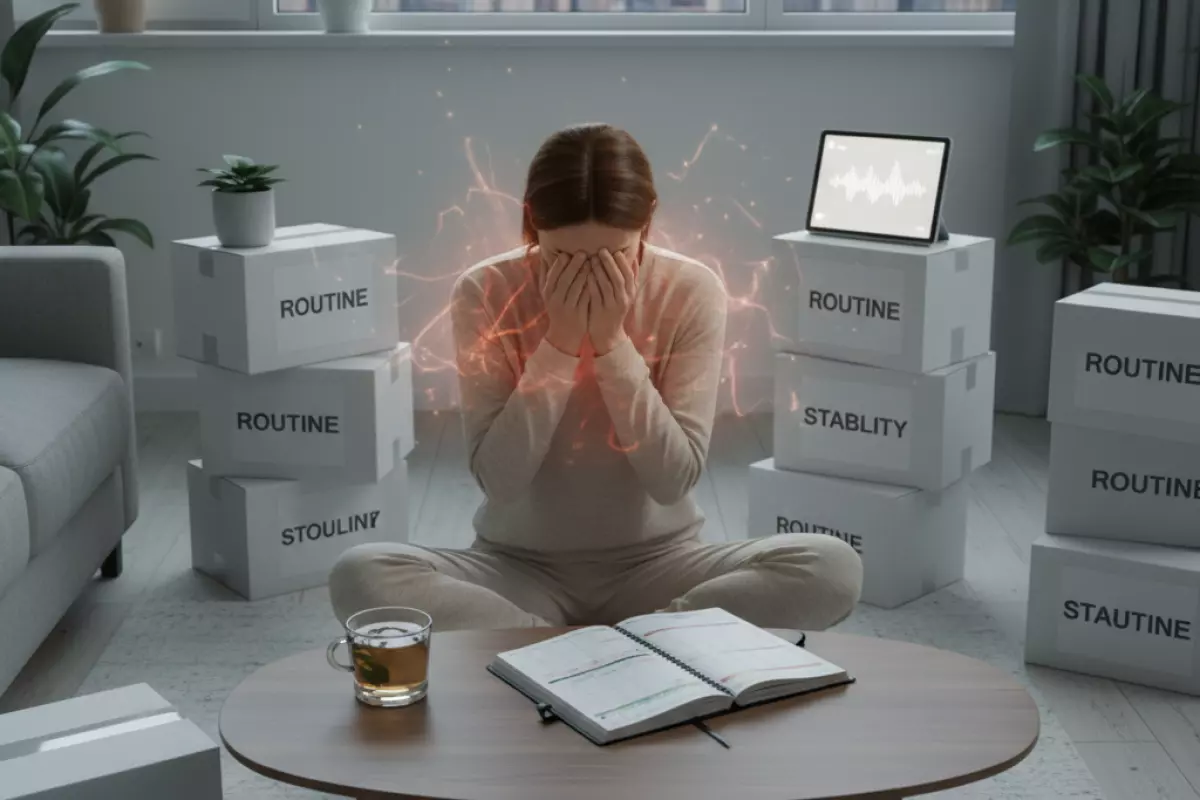 The article explains why stability can still feel emotionally hard: routine may cause stagnation, order can hide stress, and calm settings can amplify inner tension. It covers unmet needs, how to spot hidden imbalance, ways to add flexibility, and FAQs on overwhelm without obvious problems.
- Why stability does not guarantee emotional ease
- Routine and emotional stagnation
- Internal stress masked by external order
- Unmet emotional needs in stable situations
- Why calm environments amplify inner tension
- Recognizing hidden emotional imbalance
- Restoring flexibility within stable routines
- FAQ: Feeling overwhelmed in a stable life
- FAQ: Emotional pressure without visible problems
Even when life seems stable and your routine feels predictable, you can still feel emotionally overwhelmed. The schedule is manageable, the bills are paid, and nothing dramatic is happening, yet your body stays tense and your thoughts feel crowded. This pressure often builds quietly from small demands, unspoken needs, and constant self-control, until everyday moments start to feel like too much.
Why stability does not guarantee emotional ease
Having a predictable routine and “nothing obviously wrong” can still leave people feeling tense, overwhelmed, or oddly fragile. External order reduces certain stressors, but it does not automatically resolve internal pressures like unmet needs, accumulated fatigue, or emotional patterns learned over time.
Stability often removes urgent problems, which can make quieter signals easier to notice. When life is no longer dominated by crises, the mind has more space to register discomfort that was previously drowned out by survival mode. This can look like irritability, restlessness, or sudden sensitivity even though day-to-day life appears fine.
- Routine can hide overload until it spills over. A consistent schedule makes it easier to keep going on autopilot. If demands slowly increase (more responsibilities, less rest, more mental load), the strain may not feel dramatic until a small trigger causes a disproportionate reaction.
- Emotions follow meaning, not just circumstances. Two people can have the same stable setup and feel very different. If daily life feels misaligned with values, identity, or connection needs, the body may respond with anxiety, numbness, or low-grade sadness despite everything being “in order.”
- Safety can unmask delayed feelings. When things finally calm down, previously postponed grief, anger, or disappointment can surface. This is common after long periods of pushing through, caregiving, high pressure work, or ongoing uncertainty.
- Predictability does not equal control. A stable environment can still include chronic uncertainty inside it: fear of losing what’s been built, pressure to maintain performance, or worry about future changes. That ongoing vigilance can keep the nervous system activated.
- Unspoken expectations add invisible weight. Stable roles often come with “shoulds” (being reliable, grateful, productive, easy to be around). When people feel they must perform calmness or competence, emotions may be managed rather than processed, increasing internal tension.
- Repetitiveness can drain motivation. Even comfortable routines can become emotionally flat. When days feel interchangeable, boredom and lack of novelty may show up as agitation or fatigue, especially for people who recharge through variety or creativity.
- Physical factors still drive emotional capacity. Sleep debt, limited movement, poor nutrition, hormonal shifts, and constant screen exposure can lower resilience. In that state, a stable life can still feel like “too much” because the body is running close to empty.
| What looks stable on the outside | What might be happening emotionally | How it often shows up day to day |
|---|---|---|
| Predictable schedule and steady responsibilities | Autopilot functioning with unrecognized fatigue | Snapping at small things, brain fog, feeling “fine” but easily overwhelmed |
| No major conflicts or crises | Delayed feelings finally surfacing in safer conditions | Tearfulness without a clear reason, sudden anxiety, intrusive memories |
| Financial and practical needs mostly covered | Needs for meaning, connection, or autonomy not met | Restlessness, numbness, scrolling for relief, difficulty feeling satisfied |
| Reliable role as the “capable one” | Pressure to maintain an image and suppress vulnerability | Overthinking, tension headaches, feeling guilty when resting or asking for help |
| Busy but orderly household/work routine | Constant low-level vigilance and lack of recovery time | Difficulty relaxing, waking up tired, impatience, needing more downtime than expected |
In everyday terms, stability is a strong foundation, but emotional ease usually depends on recovery, expression, and alignment. When those pieces are missing, a well-structured life can still feel internally loud.
Routine and emotional stagnation
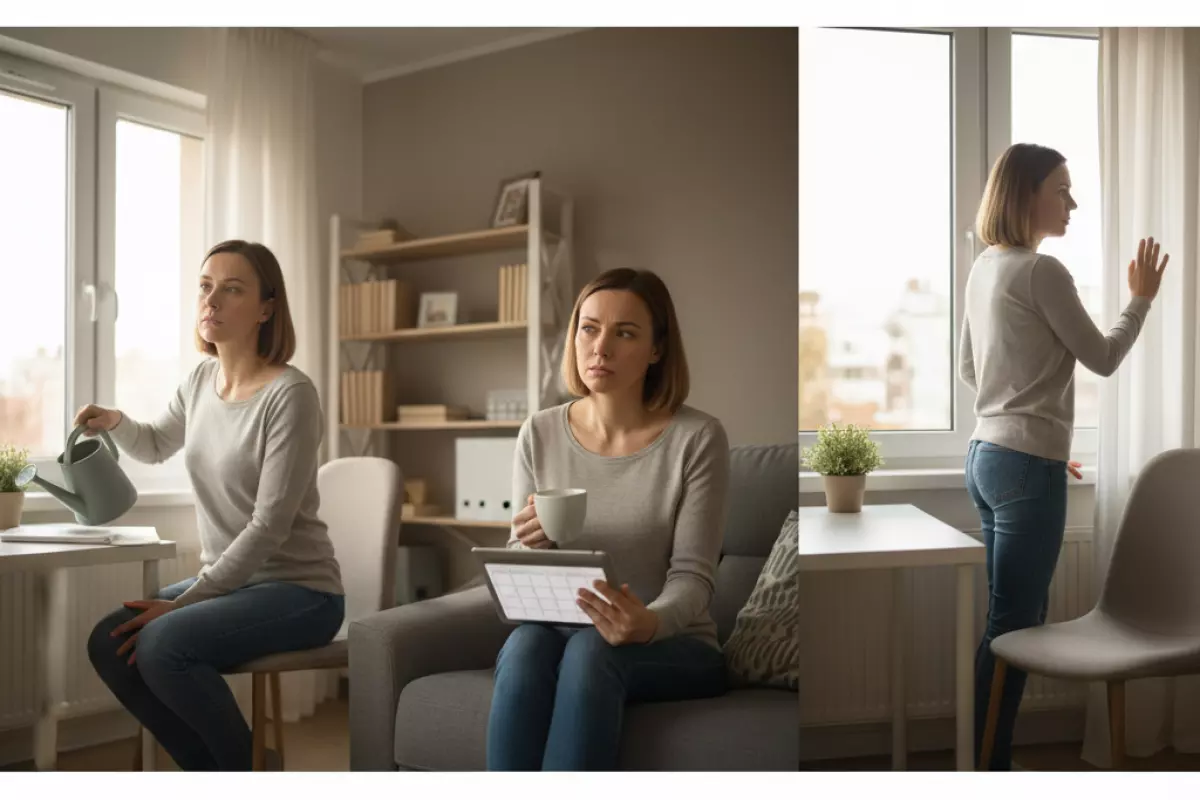
When days run smoothly and predictably, feelings can still start to feel flat or “stuck.” A stable schedule reduces urgent problems, but it can also reduce novelty, challenge, and emotional feedback. Over time, the mind may register that nothing is changing, and it responds with low-level restlessness, irritability, or a sense of going through the motions.
This kind of emotional plateau often shows up in typical behavior patterns: people keep up with work, chores, and social obligations, yet feel oddly disconnected from them. Instead of clear sadness or anxiety, the experience is more like muted interest, reduced motivation, and a constant sense that something is missing, even though nothing is obviously wrong.
- Autopilot living: The day is efficient, but attention is scattered. Tasks get done without much emotional engagement.
- Low novelty: Similar meals, routes, conversations, and entertainment can make time blur together, which dulls emotional contrast.
- Underused emotions: If there is little space for curiosity, play, or meaningful challenge, feelings have fewer outlets and can feel compressed.
- Delayed reactions: Stress or dissatisfaction may not appear during the day, but shows up later as insomnia, impatience, or sudden tearfulness.
- “Should be fine” thinking: Stability can create pressure to feel grateful, which may lead to ignoring subtle signals of boredom, loneliness, or unmet needs.
| Common pattern | How it tends to feel | What often maintains it | Small, realistic adjustment |
|---|---|---|---|
| Same schedule every day | Time passes quickly; days blend together | Predictability reduces emotional “markers” | Add one planned variation (new route, new lunch spot, different workout) |
| Productive but detached | Accomplishments feel neutral, not rewarding | Goals are maintenance-only (keep up, don’t fall behind) | Include one growth goal per week (learn, improve, create) |
| Constant background stimulation | Restless, numb, or easily bored | Scrolling/streaming fills gaps but prevents reflection | Protect a short daily quiet window (10–20 minutes, no input) |
| Social contact without depth | Lonely despite being “busy” | Conversations stay logistical or surface-level | Schedule one deeper check-in (ask, share, follow up) |
| Emotions postponed until later | Evenings feel heavy or chaotic | Daytime is tightly managed; feelings have no slot | Use brief emotional labeling during the day (name it, note the trigger) |
It helps to notice that stagnation is not the same as failure. It is often a signal that the current routine is optimized for stability but not for meaning, connection, or exploration. When those needs go unaddressed, emotional overload can build quietly, because the system looks “fine” on the outside while the inside lacks renewal.
In everyday terms, the goal is not to abandon structure, but to make it more emotionally breathable. Small changes that introduce variety, purpose, and genuine engagement tend to create clearer emotional highs and lows, which can reduce the sense of numbness and make feelings easier to interpret before they pile up.
Internal stress masked by external order
A steady routine can look like everything is under control while the nervous system is quietly running hot. People keep showing up on time, answering messages, paying bills, and handling chores, yet they feel keyed up, irritable, or oddly numb. The outward structure becomes a cover: it reduces visible chaos, but it can also hide how much effort it takes to stay “fine.”
This often happens when stability is maintained through constant self-monitoring. The person relies on schedules, checklists, and predictable habits to prevent anything from slipping, but the inner experience is tension rather than ease. Because tasks still get done, the strain is easy to miss—by others and sometimes by the person themselves.
- Functioning stays high, but recovery stays low. Work and home responsibilities are met, yet rest doesn’t feel restorative and downtime is filled with mental replaying.
- Control becomes the main coping tool. Planning, organizing, and “staying ahead” reduce anxiety short-term, but the pressure to maintain perfection can build over time.
- Emotions get postponed. Feelings are pushed aside until after the next deadline, errand, or obligation, which can lead to sudden overwhelm later.
- Body signals are ignored. Headaches, jaw tension, stomach discomfort, shallow breathing, and fatigue are treated as inconveniences rather than cues to slow down.
- Social presentation stays polished. The person sounds calm and capable, but small disruptions (a late train, a changed plan) trigger outsized frustration or shutdown.
- “Busy” replaces “okay.” Keeping momentum feels safer than pausing, because quiet moments make worries and feelings louder.
| What it looks like on the outside | What may be happening on the inside |
|---|---|
| Consistent routine and reliable performance | Constant vigilance, fear of slipping, difficulty relaxing |
| Clean home, organized calendar, “on top of it” | Compulsive planning to prevent anxiety, pressure to maintain control |
| Quick responses and problem-solving mode | Racing thoughts, impatience, feeling emotionally crowded |
| Friendly, composed interactions | Emotional suppression, irritability underneath, feeling disconnected |
| No major crises, life appears stable | Chronic stress load, low-grade dread, sense of “something’s off” |
Over time, this pattern can create a confusing split: life looks orderly, but the person feels overstimulated and fragile. Because there is no obvious breakdown, it’s common to assume the problem is a personal flaw rather than an accumulation of unprocessed stress and nonstop self-management.
A useful clue is the cost of keeping things running. When structure requires tight control, frequent checking, or a constant push through discomfort, the routine is functioning more like a shield than a support. The result is stability on paper paired with internal strain that keeps building in the background.
Unmet emotional needs in stable situations
Even when life looks calm on the outside, people can feel emotionally overloaded when important inner needs aren’t being met. Routine can keep things functioning, but it can also hide quiet dissatisfaction: there’s no obvious crisis, yet the nervous system stays on alert because something essential feels missing or unsupported.
A common pattern is “everything is fine, so I shouldn’t feel this way.” That mismatch can create guilt or confusion, which adds another layer of stress. Instead of recognizing a need (comfort, reassurance, rest, connection), many people try to solve the feeling by pushing harder, staying busy, or numbing out, which often increases emotional strain over time.
- Need for connection: Daily interactions happen, but they stay practical (schedules, chores, logistics). The person may feel lonely even while surrounded by others.
- Need for being understood: Others listen, but don’t “get it,” or conversations stay surface-level. This can show up as irritability, withdrawal, or feeling unseen.
- Need for autonomy: Life is predictable, but overly structured by expectations. People may feel trapped, resentful, or unusually sensitive to small demands.
- Need for rest and recovery: The calendar is stable yet packed. Without true downtime, emotions become harder to regulate and small problems feel bigger.
- Need for appreciation: Responsibilities are met, but effort goes unnoticed. This often leads to quiet burnout, cynicism, or a sense of “what’s the point.”
- Need for play and pleasure: The days are efficient but joyless. Over time, motivation drops and the person may feel flat or disconnected from themselves.
- Need for emotional safety: There’s no major conflict, but there’s tension, criticism, or unpredictability in tone. The body can interpret this as threat and stay keyed up.
- Need for meaning: Life runs smoothly, yet feels repetitive or empty. This can show up as restlessness, doom-scrolling, or constant “next thing” thinking.
| Need that’s going unmet | How it often looks in a stable routine | Common “workaround” that backfires | What helps in everyday terms |
|---|---|---|---|
| Connection | Lots of contact, little closeness; conversations stay task-focused | Keeping busy to avoid the feeling | Regular check-ins that include feelings, not just updates |
| Autonomy | Predictable days but little choice; resentment at minor requests | People-pleasing, then snapping | Clear boundaries and small decisions that are genuinely yours |
| Rest | No crisis, yet constant fatigue; “never caught up” feeling | Using screens or late-night scrolling as “recovery” | Protected downtime and sleep routines that actually restore |
| Appreciation | Doing a lot without acknowledgment; feeling taken for granted | Overfunctioning to finally be noticed | Direct asks for recognition and sharing responsibilities |
| Meaning | Life is orderly but feels empty; boredom mixed with anxiety | Chasing constant novelty or setting endless goals | Values-based activities and time for what feels purposeful |
These gaps are easy to miss because stability can look like “no problem to solve.” But emotional overload often comes from repeated small mismatches between what a person needs and what their environment provides. When those mismatches are named, they become easier to address with practical changes rather than more self-criticism.
Why calm environments amplify inner tension

When life is steady and predictable, the mind often has more room to notice what was previously drowned out by urgency. In a busy stretch, attention goes to deadlines, errands, and immediate problems. In a quiet stretch, the same attention can turn inward, making worries, doubts, or unresolved feelings feel louder than before.
Calm settings also remove “external explanations” for discomfort. If nothing obvious is wrong, tension can seem confusing or even alarming, which adds a second layer of stress: not only feeling uneasy, but also wondering why. This is a common pattern in emotional overload during stable routines, where the body stays on alert even though the day looks safe on paper.
- Less distraction, more signal: With fewer interruptions, the brain detects subtle sensations (tight chest, restlessness, irritability) that were easy to ignore when the schedule was packed.
- Delayed processing: After a demanding period, the nervous system may “catch up” once things slow down. The reaction can arrive late, showing up as anxiety, tearfulness, or agitation during an otherwise calm week.
- Pressure to feel fine: Stability can create an unspoken rule that you should be relaxed and grateful. That expectation can make normal stress feel like a personal failure, intensifying inner strain.
- Routine can become rigid: Predictability helps, but if it turns into perfectionism (same timing, same standards, no room for off-days), small disruptions can feel disproportionately threatening.
- Unmet needs become clearer: Quiet makes it easier to notice loneliness, boredom, lack of meaning, or the need for rest. These aren’t emergencies, but they can still generate strong emotional noise.
- Safety invites old material: When the environment feels controlled, the mind may surface unresolved memories or worries because it finally has “space” to do so, even if the timing feels inconvenient.
| What looks calm on the outside | What can be happening internally |
|---|---|
| A predictable routine with few surprises | Hypervigilance shifts from scanning the environment to scanning thoughts and body sensations |
| Free time in the evening or weekend | Emotions that were postponed during busier periods surface all at once |
| No major conflict or crisis | Confusion about discomfort leads to rumination and self-questioning |
| A “good” life on paper | Shame about not feeling okay adds extra stress and emotional overload |
| Stable work and home environment | Perfectionistic standards tighten, making minor mistakes feel bigger |
These reactions don’t mean the stability is fake or that something is necessarily wrong. They often reflect a nervous system that hasn’t fully downshifted yet, plus a mind that uses quiet moments to process what it couldn’t handle in real time. Understanding this pattern helps explain why inner tension can rise precisely when the outside world finally settles.
Recognizing hidden emotional imbalance
Emotional strain can build quietly when life looks organized on the outside. A steady job, predictable schedule, and solid routines often reduce obvious stressors, but they can also make it easier to overlook subtle signs of overload. The result is often a sense that something is “off” without a clear reason, because day-to-day functioning still looks fine.
One clue is a mismatch between outward stability and inner experience. People may keep up with responsibilities yet feel unusually tense, numb, or easily irritated. Because nothing appears “wrong” in the routine, the mind may interpret these signals as personal weakness rather than as a normal response to accumulated pressure, unprocessed emotions, or unmet needs.
- Short fuse in low-stakes moments: Snapping at minor inconveniences, feeling impatient in traffic, or getting disproportionately annoyed by small mistakes.
- Emotional flatness: Going through the motions, struggling to feel joy or interest, or describing days as “fine” but empty.
- Overthinking after ordinary interactions: Replaying conversations, second-guessing tone, or worrying about how you came across even when nothing happened.
- Rest that doesn’t restore: Sleeping or taking time off but waking up tired, or feeling drained soon after starting the day.
- Increased sensitivity to noise, clutter, or demands: Feeling overwhelmed by normal levels of stimulation, multitasking, or last-minute changes.
- Automatic coping habits: More scrolling, snacking, alcohol, shopping, or “staying busy” to avoid quiet moments.
- Social withdrawal that’s easy to justify: Declining plans because of routine, fatigue, or “needing to be productive,” then feeling isolated.
- Body signals without a clear medical cause: Headaches, jaw tension, stomach upset, tight chest, or frequent minor aches that track with stress.
| What it looks like in routine life | What it may be signaling underneath | Everyday example |
|---|---|---|
| High performance but low satisfaction | Needs for meaning, autonomy, or connection aren’t being met | Tasks get done, but accomplishments feel oddly hollow |
| Rigid schedules feel “necessary” | Control is being used to manage anxiety or uncertainty | A small plan change triggers outsized stress |
| Constant mental rehearsal | Hypervigilance, fear of mistakes, or perfectionism | Practicing simple conversations in your head |
| Frequent micro-irritations | Emotional bandwidth is depleted | Household noises or emails feel unbearable |
| “Can’t relax” even during downtime | Nervous system stuck in a high-alert mode | Watching a show but feeling restless and keyed up |
| More avoidance and procrastination | Overwhelm, fear of failure, or decision fatigue | Putting off simple calls or paperwork for days |
Another common pattern is that the imbalance shows up in timing rather than intensity. Many people feel relatively okay during structured hours, then “crash” afterward: zoning out, getting teary, or feeling suddenly anxious once the day slows down. This can happen because routines keep emotions contained until there is enough quiet for them to surface.
A useful way to spot hidden overload is to watch for consistency across areas of life. If irritability, fatigue, or numbness appears at work, at home, and on weekends, it is less likely to be a one-off bad day and more likely to reflect a sustained emotional load. When these signs persist, they often indicate that stability and routine are supporting functioning, but not fully supporting emotional recovery.
Restoring flexibility within stable routines
When life is predictable on the outside but still feels emotionally loud on the inside, the issue is often that the schedule has become too rigid to absorb normal stress. Routines can reduce decision fatigue, but they can also turn small disruptions into “all-or-nothing” moments: one late meeting, one messy room, one unexpected request, and the whole day feels off track.
Adding flexibility does not mean abandoning structure. It means building in room for human variability: low-energy days, shifting priorities, and the fact that emotions do not always follow the calendar. The goal is a routine that guides behavior without punishing you for being a person.
- Identify the brittle parts of the day. Notice where you feel most “boxed in” (mornings, transitions, bedtime). These are the points where a minor change tends to trigger irritability, shutdown, or rushing.
- Switch from time-based to task-based anchors. Instead of “work out at 6:00,” try “work out before lunch.” Anchors keep the day coherent while allowing timing to move without feeling like failure.
- Create a small buffer on purpose. A 10–20 minute margin between commitments reduces the sense of constant catching up. Buffers also lower the emotional cost of unexpected messages, traffic, or a slow start.
- Use “minimum viable” versions of habits. On overloaded days, keep the routine alive with a smaller version (5 minutes of tidying, a short walk, a simple meal). This prevents the common pattern of skipping everything because the ideal version is impossible.
- Plan for recovery, not just productivity. Stable routines often over-prioritize output. Adding predictable decompression (quiet time, movement, a shower, a screen-free pause) can stop emotions from accumulating until they spill over.
- Build choice points into the schedule. A routine that includes options (“read or stretch,” “cook or leftovers”) supports autonomy, which can reduce the trapped feeling that fuels emotional overload.
| Rigid routine pattern | More flexible alternative | Why it reduces emotional overload |
|---|---|---|
| Every task has a fixed start time | Use 2–3 fixed anchors and flexible blocks between them | Less pressure when something runs long; fewer “day is ruined” reactions |
| Only the “full” version counts | Define a minimum and a preferred version of key habits | Keeps momentum on hard days without triggering guilt or avoidance |
| No space between obligations | Add buffers and transition rituals (water, brief walk, reset list) | Prevents stress stacking and helps the nervous system downshift |
| One interruption derails the plan | Keep a short “re-entry” plan (next 1–2 actions only) | Restores direction quickly, reducing rumination and overwhelm |
| Rest happens only after everything is done | Schedule small recovery breaks as part of the routine | Reduces emotional buildup that can lead to snapping, numbness, or tears |
A practical way to test flexibility is to ask: “If this goes 30 minutes off-plan, what happens next?” If the answer is “everything collapses,” the routine is too tight. If the answer is “I can still complete the essentials,” the structure is doing its job while leaving room for real life.
FAQ: Feeling overwhelmed in a stable life
It can be confusing to feel emotionally overloaded when life looks “fine” on paper. A steady job, predictable schedule, and supportive relationships reduce certain stresses, but they do not automatically reduce internal strain. Many people still carry hidden pressure from constant responsibility, unprocessed feelings, sensory overload, or the effort of staying functional day after day.
-
Why do I feel overwhelmed when nothing is “wrong”?
Overwhelm often comes from accumulation rather than a single crisis. Common patterns include running on autopilot, saying yes too often, managing everyone’s needs, or keeping emotions tightly controlled. Stability can also leave more mental space for feelings that were previously pushed aside to “get through” busy periods. -
Is this the same as anxiety or depression?
Not always. Emotional overload can look like anxiety (racing thoughts, tension, irritability) or depression (numbness, low motivation), but it can also be a short-term state caused by fatigue, overstimulation, or too many small demands. If symptoms are persistent, intense, or affecting daily functioning, it may overlap with an anxiety or mood condition. -
What are typical signs of emotional overload in a routine life?
Signs often show up in everyday behavior: snapping at small things, procrastinating simple tasks, feeling “full” emotionally, trouble making decisions, doom-scrolling, comfort eating, difficulty sleeping, or needing extra alone time. Some people feel detached and “fine” outwardly while feeling internally flooded. -
Why does it hit hardest during calm periods or weekends?
When the schedule slows down, the brain stops prioritizing urgent tasks and may surface delayed stress. Weekends also remove structure, which can reveal exhaustion that was masked by routine. For some, unstructured time increases rumination because there are fewer external cues guiding attention.
| Common trigger in a stable life | How it tends to show up | What helps in the moment |
|---|---|---|
| Too many small obligations (errands, messages, “quick” favors) | Feeling chased, mental clutter, irritability at minor interruptions | Write a short “today list” (3–5 items), silence non-urgent notifications, batch replies once or twice |
| High self-expectations and perfection habits | Procrastination, overchecking, difficulty finishing tasks | Define “good enough” before starting; set a stop time; finish a smaller version |
| Emotional labor (being the organizer, fixer, or steady one) | Resentment, numbness, feeling unseen, sudden tearfulness | Name the role you’re playing; ask for one specific support; schedule a no-responsibility block |
| Low recovery time (sleep debt, no real downtime) | Brain fog, sensitivity to noise, cravings, frequent “I can’t handle this” moments | Prioritize basic recovery: food, water, movement, earlier bedtime; reduce optional tasks for 24–48 hours |
| Unprocessed stress from earlier periods | Intrusive memories, sudden anxiety spikes, overreacting to normal stressors | Grounding (5 senses), journaling a few minutes, talk it through with a trusted person |
-
How do I tell the difference between being busy and being overloaded?
Busyness is about time; overload is about capacity. A person can have a manageable schedule and still feel overwhelmed if their nervous system is depleted. A practical clue is recovery: if rest doesn’t help and small tasks feel disproportionately hard, capacity may be the issue. -
What’s a simple first step when I feel flooded?
Reduce input and narrow the next action. Pause new decisions, lower stimulation (sound, screens, conversations), and choose one concrete step: eat, shower, take a short walk, or do a two-minute reset (slow breathing, unclenching jaw/shoulders). This shifts the body out of “too much” mode so thinking becomes easier. -
When is it a sign I should get professional support?
Consider extra help if overwhelm lasts for weeks, disrupts sleep most nights, leads to frequent shutdowns or panic, increases substance use, or makes work/relationships hard to maintain. Support is also useful if the feeling is paired with hopelessness, persistent numbness, or thoughts of self-harm.
FAQ: Emotional pressure without visible problems
Feeling mentally “too full” while life looks fine from the outside is common. A steady job, predictable routine, and no obvious crisis can still coexist with inner strain, especially when expectations, constant self-management, or unprocessed stress keep piling up.
-
Why can I feel overwhelmed when everything is stable?
Stability reduces surprises, but it does not automatically reduce emotional load. Pressure can come from ongoing responsibilities, perfectionism, social roles, decision fatigue, or the effort of staying “on track” every day. When recovery time is limited, even small demands can start to feel heavy.
-
Is this “just stress,” or something else?
Everyday stress usually rises and falls around specific tasks. Emotional strain without visible problems often feels more constant: you can function, but you feel tense, numb, irritable, or mentally crowded. It can also show up as losing interest in things you normally enjoy, even when nothing “bad” has happened.
-
What are typical signs that the load is building up?
Common patterns include snapping at small inconveniences, needing more downtime than usual, procrastinating simple tasks, overthinking minor decisions, or feeling restless even during breaks. Some people notice physical cues first, like headaches, jaw tension, stomach discomfort, or trouble sleeping.
-
Why do I feel guilty for struggling when I “should” be fine?
Guilt often comes from comparing inner experience to outward circumstances. If your life looks organized, it can feel “illogical” to be struggling, which adds a second layer of pressure. This can lead to masking, pushing through, and postponing support until the strain becomes harder to ignore.
-
Can routine itself contribute to emotional overload?
Yes. Routine can become restrictive when it leaves little room for spontaneity, rest, or emotional processing. A tightly managed schedule can also keep you in constant “performance mode,” where you are always optimizing, tracking, and correcting instead of recovering.
-
How do I tell the difference between normal tiredness and burnout risk?
Normal tiredness improves with sleep and a lighter day. Burnout risk is more likely when exhaustion persists, motivation drops, and even easy tasks feel unusually effortful over time. Another clue is when recovery stops working: weekends, vacations, or free evenings no longer restore you as much as they used to.
-
What everyday situations commonly trigger pressure without a clear “problem”?
Frequent triggers include constant availability (messages and notifications), unspoken expectations at work or home, caretaking roles, high self-standards, and social comparison. Even positive events like promotions, moving in with a partner, or starting a new routine can increase emotional demand because they require adaptation.
-
What helps in the moment when I feel emotionally overloaded?
Short-term relief usually comes from reducing input and making the next step smaller. Examples include taking a quiet break without screens, doing one simple task instead of five, eating something basic, stepping outside for a few minutes, or writing down what feels urgent to stop it from looping in your head.
| What it can look like day to day | What it often means | A practical first adjustment |
|---|---|---|
| You keep up with tasks but feel detached or “on autopilot.” | Your mind is conserving energy by switching into survival efficiency. | Schedule a short, non-productive break that is not used for errands. |
| Small requests feel irritating or overwhelming. | Your capacity is already used up by background stress or constant self-control. | Delay non-urgent decisions and set a simple boundary for availability. |
| You overthink simple choices and second-guess yourself. | Decision fatigue and fear of making mistakes are stacking up. | Use a “good enough” rule for low-stakes choices and move on. |
| You feel tired but can’t relax, even during downtime. | Your body is staying in a keyed-up state, not shifting into recovery. | Do a wind-down routine that signals safety: dim light, slow breathing, no news. |
| You avoid messages or tasks you normally handle easily. | Emotional load is turning into avoidance because everything feels like “one more thing.” | Pick one tiny action (reply to one message, start for two minutes) to restart momentum. |
-
When should I consider professional support?
Consider it if the pressure lasts for weeks, sleep and mood keep worsening, you rely on unhealthy coping (like excessive alcohol, doom-scrolling, or overworking), or daily functioning starts to slip. Support can also help when nothing is “wrong” externally but your inner experience feels persistently strained.